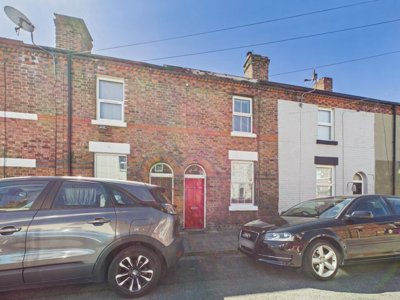
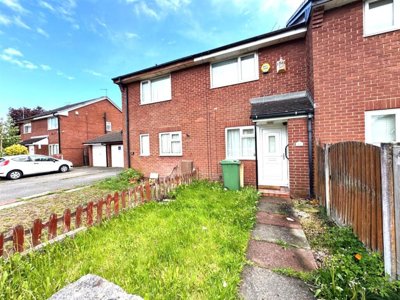
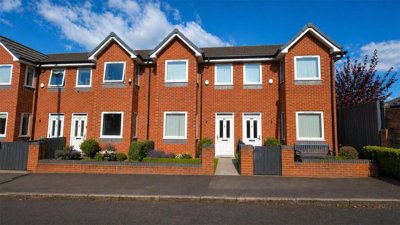
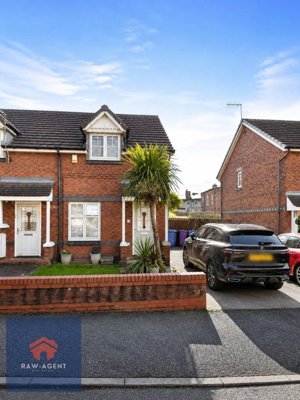
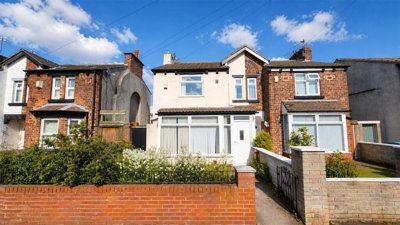
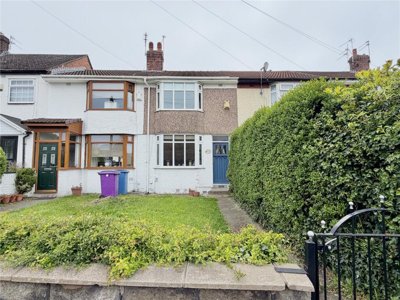
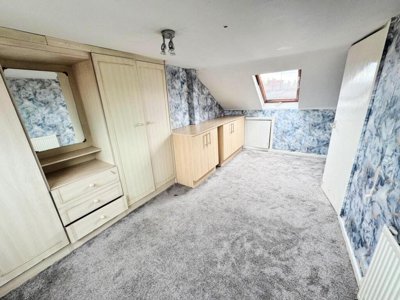
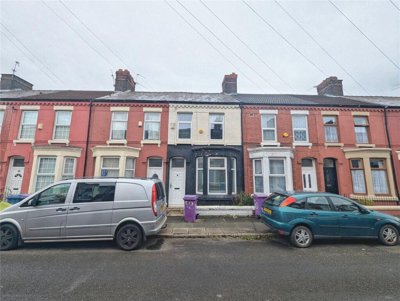
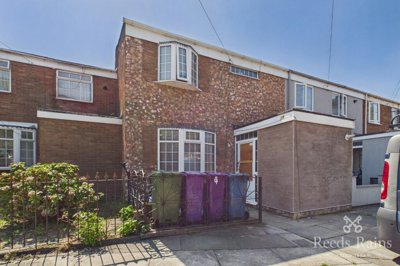
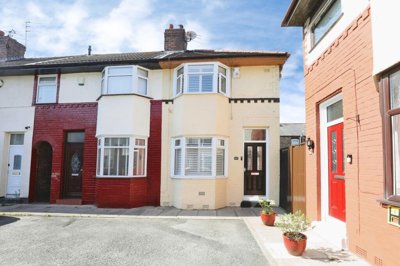
Browse 189 homes for sale in L4 from local estate agents.
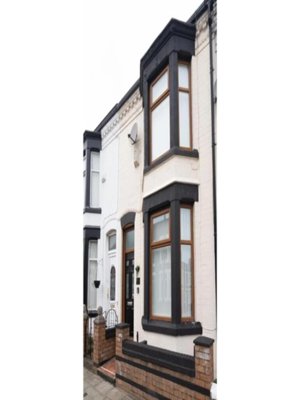
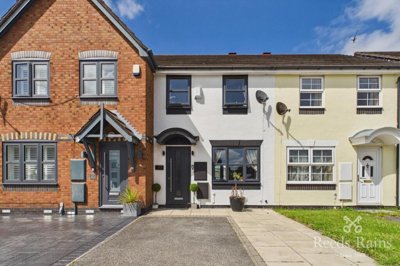
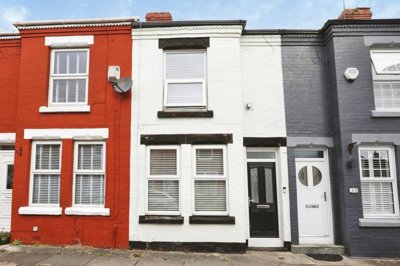
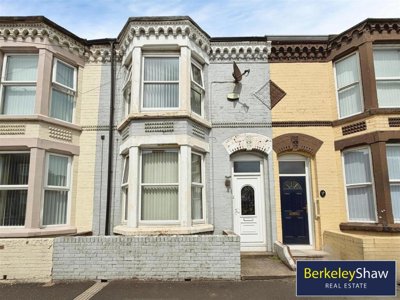
The 2 bed house market features detached, semi-detached, and terraced properties with two separate bedrooms plus living spaces. Properties in L4 range from Victorian and Edwardian period homes to modern new builds, with pricing varying across different neighbourhoods.
£110k
17
1
46
Source: home.co.uk
Showing 17 results for 2 Bedroom Houses for sale in L4. 1 new listing added this week. The median asking price is £110,000.
Source: home.co.uk
Terraced
17 listings
Avg £110,467
Source: home.co.uk
Source: home.co.uk
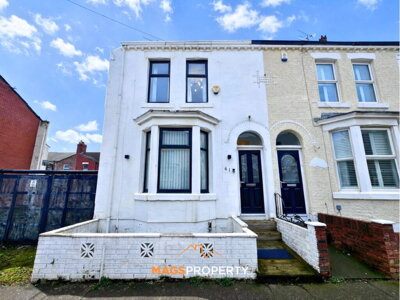
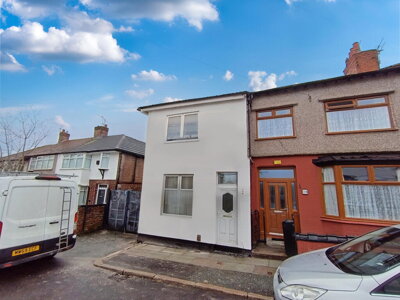
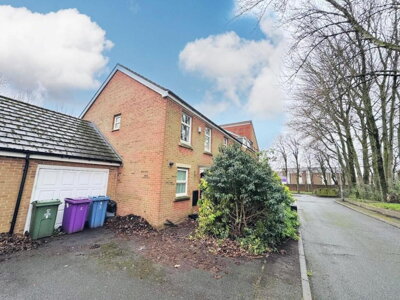
Across L4, the property market gives buyers plenty of choice across the full range of homes, with prices that suit different budgets and needs. Detached properties sit at the top end at around £213,250, which reflects the larger plots and settled positions these homes usually hold in the neighbourhood. Semi-detached houses average £176,079 according to home.co.uk listings data, so they often appeal to families who want extra space beyond a terrace, without drifting too far above wider city pricing.
Across L4, the property market gives buyers plenty of choice across the full range of homes, with prices that suit different budgets and needs. Detached properties sit at the top end at around £178,588, which reflects the larger plots and settled positions these homes usually hold in the neighbourhood. Semi-detached houses average £176,079 according to home.co.uk listings data, so they often appeal to families who want extra space beyond a terrace, without drifting too far above wider city pricing.
Over the past year, there have been 187 residential property sales in L4, a fall of 73.80% compared with the year before. That drop in activity sits alongside wider national pressures on mortgage affordability and limited supply, rather than any sign of softening demand. Property Solvers records a 4.87% rise in prices over the last 12 months and a stronger 30.27% lift over five years, which points to steady long-term growth. Housemetric data also shows sharp local gains, with L4 4 up 20.1%, L4 2 up 18.4%, and L4 3 up 11.4% over the year.

Walton and Anfield anchor the L4 postcode, and both carry a strong sense of place that sets them apart from central Liverpool. Walton in particular has moved on from its days as a separate township, yet it still keeps the local identity that gives north Liverpool so much of its character. The area has a broad mix of residents too, with an average age of 36 in sectors such as L4 4LT and L4 1XX, which suggests a healthy spread of families, young professionals, and longer-term locals.
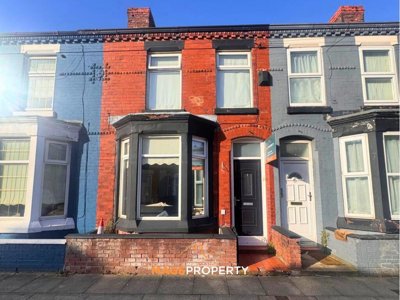
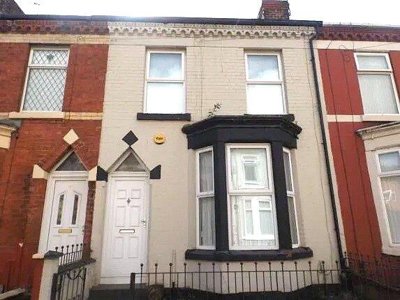
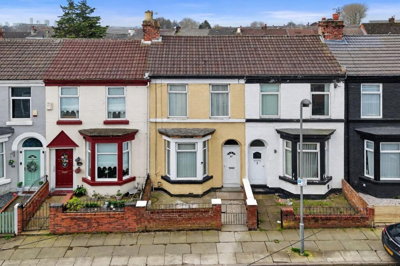
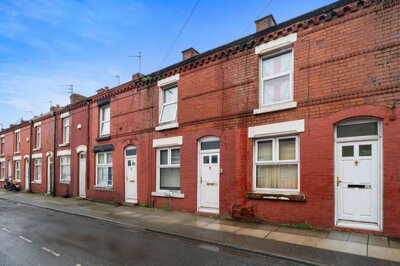
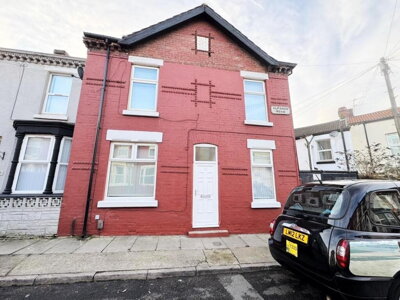
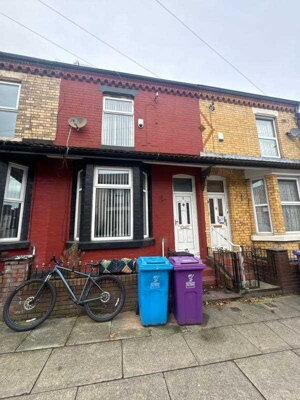
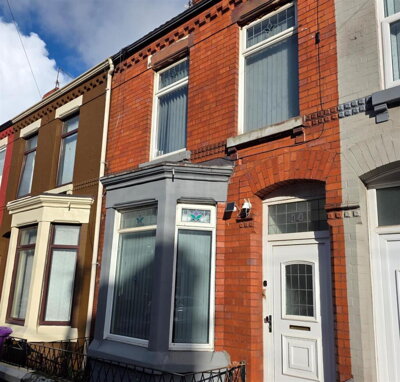
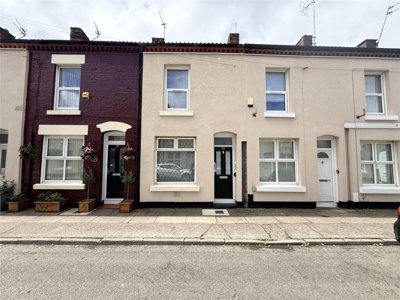
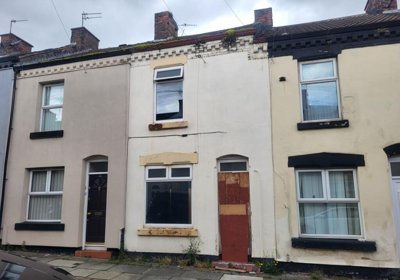
L4 still wears its Victorian and Edwardian history on its sleeve, with brick-built terraces running through many streets and yellow brick and red brick dressings appearing on larger homes. Slate roofs are common as well, which is exactly what we would expect from period construction in this part of Liverpool. Stanley Park and Anfield Cemetery both contain Grade II listed structures, from Victorian bridges and walls to shelters and pavilions, while Anfield Cemetery itself includes entrances, lodges, catacombs, a chapel, and a crematorium listed in the National Register of Historic Parks and Gardens at Grade II*.
Day-to-day living in L4 is well served by local shops, restaurants, and services along the main roads that run through the area. Being north of Liverpool city centre gives residents decent access to urban amenities, while the streets themselves feel more residential than the central districts. Stanley Park, with its Grade II registered status, is one of the better-known green spaces nearby, giving people somewhere to walk, run, or simply get outside close to home.
The local economy in L4 links into the wider Liverpool City Region, where human health activities provide a notable source of employment. Beyond that, the region’s advanced manufacturing base contributes around £3bn to the economy and supports 22,000 jobs, with smart logistics infrastructure also playing a part in creating local work.

For families planning a move to L4, there are several schools serving the local community. Primary options cater for children from Reception through Year 6, and a number of them sit within walking distance of homes in Walton, Anfield, and Breckfield. Secondary schools across north Liverpool take pupils on from primary level, with some offering specialist subjects and solid academic records. Catchment areas and admission rules can make a real difference, so parents should check those carefully before making any decisions.
Education is treated as a key economic driver across the Liverpool City Region, especially as advanced manufacturing and other growth sectors increase the demand for skilled staff. Local secondary schools and sixth forms prepare pupils for higher education and work, and several of them offer vocational courses alongside traditional A-level programmes. There are also further education colleges in the wider Liverpool area, giving students more routes after secondary school.
Open days and Ofsted inspection reports are useful starting points for parents who want a clearer picture of how individual schools perform. Around L4, the mix includes faith schools and community schools, so families can choose places that fit their own values and approach to education. Travel to schools across Liverpool is generally straightforward from L4 too, with bus services giving access to institutions throughout the city.

L4 has strong transport links, which makes commuting into Liverpool city centre and further afield fairly straightforward. North of the centre, the area is served by major roads that give drivers access to central districts, employment areas, and retail destinations. Queens Drive and other arterial routes tie L4 into the motorway network, with the M57 and M58 providing routes to places beyond the city. Bus services from Arriva and other operators run through the postcode, with regular links to the city centre and nearby neighbourhoods.
Liverpool Lime Street station opens up rail travel to national destinations such as Manchester, Birmingham, and London Euston, and journeys to Manchester usually take around one hour. For flights, Liverpool John Lennon Airport handles services to European destinations, while Manchester Airport can be reached by road or rail for a broader choice of routes. The Liverpool City Region’s smart logistics infrastructure also supports the local economy and brings more employment within reach of L4.
Within L4 itself, getting around is easy enough because the neighbourhoods are relatively compact and everyday services are often close by. Shops, schools, and other essentials are frequently within walking or cycling distance. Since the postcode sits north of the city centre, many residents can cycle into central Liverpool for work, especially with investment in cycling infrastructure across the city region. Parking varies by street, as terraced roads are different from areas with more semi-detached housing.

It is worth looking at Walton, Anfield, and Breckfield separately, because each one has its own feel and can suit a different kind of buyer. Think about schools, transport, Stanley Park, and the local shops as you narrow things down. Walton is the more traditional high street setting, while Anfield brings you closer to the famous football stadium and Stanley Park.
Terraced homes are the mainstay of L4, with average prices of £132,580 according to home.co.uk listings data and £126,733 per homedata.co.uk. Many of these Victorian and Edwardian terraces still have original fireplaces, high ceilings, and bay windows, which are part of Liverpool’s wider residential character. Flats give buyers the lowest entry point at about £73,113, although home.co.uk and homedata.co.uk do not always match exactly in this segment, which suggests a mix of period conversions and purpose-built apartments.
Speak to estate agents marketing homes in L4 if you want to arrange viewings that fit your requirements. Our platform links directly to current listings, so it is simple to book appointments and compare terraced houses, semi-detached homes, and flats across the area. For period properties, we would always suggest taking a close look at original features, the condition of windows, and any signs of damp or structural movement.
After an offer has been accepted, the next sensible step is to arrange a RICS Level 2 survey so the property condition can be checked properly. L4 has a large stock of older Victorian and Edwardian homes, and that kind of survey helps pick up damp, roof issues, and structural problems that may need attention. Our inspectors often come across timber defects, outdated electrical wiring, and slate roof deterioration in period properties across the area.
A solicitor with experience in Liverpool property transactions is a sensible choice for handling the legal side of the purchase. They will carry out searches, review the contract, and work with your mortgage lender to move the matter towards completion. Liverpool City Council searches will cover planning permissions, highway proposals, and environmental issues relevant to the specific L4 neighbourhood.
Once the surveys, searches, and legal checks are all satisfactory, your solicitor can exchange contracts and agree a completion date. On completion day, the balance is transferred and the keys to your new L4 home are handed over. Our team will still be on hand with information about local services and any further property needs that come up.
Buying in L4 does mean thinking about a few local factors that can affect both your budget and how comfortable the home feels. Much of the housing here is brick-built, so it is sensible to check external wall insulation and damp proof courses, especially in older terraces and semis. Original features are part of the appeal, but they can also mean ongoing maintenance, so it helps to look closely at sash windows, original fireplaces, and period plasterwork.
Because Stanley Park and Anfield Cemetery contain a concentration of Grade II listed buildings, nearby properties may be affected by listing rules or conservation considerations. Buyers should find out whether a home is listed or sits within a conservation area, as that can change what work is allowed and what maintenance duties apply. Semi-detached and terraced houses in these locations often have historical links to the registered parks and gardens.
Some homes in L4, especially flats and apartments, come with service charges and leasehold arrangements. It is important to look at the annual service charge, any planned major works, and how long is left on the lease, because all three affect long-term budgeting. Ground rent should also be checked carefully on leasehold properties, as it can influence future saleability and the overall cost of ownership over time.
During surveys, our inspectors regularly spot a few familiar defect patterns in L4. Victorian and Edwardian terraces often show rising damp where old damp proof courses have failed over time. Slate roofs on these older homes can also need work, with slipped slates, perished mortar, and timber rafter deterioration appearing often. If a property has not been rewired recently, the electrical installation may still date from the 1960s or earlier, which raises obvious safety concerns.

Before you start booking viewings, it is wise to get a mortgage agreement in principle from a lender so you know your budget and can show estate agents that you are ready to proceed. Our mortgage comparison tool makes it easier to look at competitive rates from lenders across the market. With the average property price in L4 sitting at £144,742, most buyers will need mortgage finance, and having agreement in principle in place can speed things up.
Liverpool City Council is the local authority for properties in L4. Council tax bands run from A through to H, and most terraced homes and smaller houses usually fall into bands A to C, while larger semi-detached and detached properties may sit higher. The exact band depends on the valuation, and buyers can check it through the Valuation Office Agency website or ask for the details during conveyancing. Because average property values in L4 are what they are, most of the stock sits in the lower council tax bands, which helps keep ongoing costs more manageable.
Several primary schools serve families in L4, with choices in Walton and Anfield. Secondary schools across north Liverpool take pupils on from primary education, and parents should look closely at Ofsted ratings, academic results, and catchment boundaries when weighing things up. Liverpool schools generally sit in line with city-wide averages, and open days can tell you a lot about each school’s culture and facilities. Transport from L4 also gives access to a wide range of schools across north Liverpool, including faith schools and specialist options.
Frequent bus services from Arriva and other operators give L4 strong public transport links into Liverpool city centre and the surrounding neighbourhoods. Queens Drive and the main arterial roads provide easy access to central Liverpool and to the motorway network, including the M57 and M58. Liverpool Lime Street station offers rail travel to Manchester, London, Birmingham, and other national destinations, while the city centre is usually reachable from L4 in approximately 15-20 minutes by bus. Road links also connect the postcode to the nearby Port of Liverpool and logistics hubs across the wider city region, which supports jobs in distribution and advanced manufacturing.
According to home.co.uk listings data, the average house price in L4 over the last year was £144,742, while homedata.co.uk gives a slightly lower figure of £130,387. Prices have risen strongly, with 16% growth over the past year and a 19% increase above the 2023 peak of £112,333. By type, detached homes average £178,588, semi-detached properties £176,079, terraced houses £132,580, and flats about £73,113. The strongest annual growth came in L4 4 at 20.1%, followed by L4 2 at 18.4% and L4 3 at 11.4%, which shows that performance varies across the postcode.
L4 has a solid investment case, with Property Solvers showing 30.27% price growth over five years and steady annual appreciation across all the main sectors. The average price of £144,742 still sits below the Liverpool city average, which leaves room for further growth as the wider city region continues to develop. Sales volumes were down 73.80% over the past year, but that looks more like a supply issue than a lack of demand, and rental demand should stay firm thanks to local jobs and transport links. Liverpool City Region’s advanced manufacturing cluster and smart logistics infrastructure also support the long-term housing picture.
Because L4 contains so many Victorian and Edwardian homes, we often see the same issues come up in surveys, including damp in walls and basements, roof problems on slate-covered properties, and old electrical wiring in dated installations. Our inspectors frequently find timber defects affecting floor structures and window frames in period homes across Walton and Anfield. RICS Level 2 surveys are set up to flag exactly these sorts of issues, including ones that a normal viewing may not reveal. The brick construction common in L4 is usually sound, although older properties can suffer from mortar deterioration and pointing problems. Where an original damp proof course has failed, professional treatment and damp-proofing work may be needed.
Flats in L4 range from freehold conversions to leasehold apartments, and the remaining lease term can vary a lot from one development to another. Older leasehold flats sometimes have shorter leases, which need close attention during conveyancing, as lenders generally want leases that exceed 70 years. Service charges also differ according to how the building is managed, so buyers should ask for the annual charge, any sinking fund arrangements, and the planned maintenance programme before they commit. In converted Victorian terraces, maintenance is often shared with other leaseholders, so major repairs tend to require group decisions.
From April 2024, stamp duty rates apply across England, including L4 and the rest of Liverpool. The standard rates are 0% on the first £250,000, 5% on £250,001 to £925,000, 10% on £925,001 to £1.5 million, and 12% on anything above £1.5 million. First-time buyers get relief on the first £425,000, with 5% due between £425,001 and £625,000. Since most homes in L4 come in below the £425,000 threshold, first-time buyers may pay no stamp duty at all on a typical purchase.
Getting to grips with the full cost of buying in L4 makes budgeting much easier. Stamp Duty Land Tax, or SDLT, is a major expense for many buyers, although at current prices in L4 a lot of purchasers will find the bill is lower than in pricier parts of the country. On a typical terraced house priced at the area average of £132,580, a standard buyer would pay no SDLT because the price sits entirely within the nil-rate band. First-time buyers buying up to £425,000 would also pay no stamp duty under the current relief rules.
When you work out the total purchase cost, do not forget removal expenses, any mortgage broker fees if you use an independent adviser, and repair or renovation work that shows up during the survey. For leasehold homes, ground rent and service charges need to be treated as ongoing annual costs. Liverpool City Council tax bands run from A to H, and most residential property in L4 falls into the lower bands because of the local price level. Getting a mortgage agreement in principle before you start viewing also helps set a realistic budget and shows estate agents that you are serious.

Because properties across L4 are often older and built in a traditional way, arranging a RICS Level 2 survey before you complete gives useful protection against hidden problems. Our inspectors have a great deal of experience with Victorian and Edwardian terraces in Walton and Anfield, along with semi-detached homes and period conversions across the postcode. The survey checks the condition of the property in a structured way and can bring issues to light that are easy to miss during a normal viewing.
We often see damp in L4 properties where original damp proof courses have deteriorated, along with slate roof defects such as slipped tiles and perished mortar pointing, and electrical systems that no longer meet current safety standards. Timber floor structures in period homes can also show rot or woodworm activity, especially where ventilation is poor or there has been historic damp penetration. Most L4 homes are brick-built and generally sturdy, though mortar joints often deteriorate in older properties that have not been properly maintained.
There are also a few extra buying costs to allow for, including solicitor fees for conveyancing, which typically range from £499 to over £1,500 depending on the property value and the complexity of the transaction. Survey costs should be added in too, with RICS Level 2 surveys averaging around £455 nationally, although prices can run from £416 to £639 depending on the size and value of the home. Local authority search fees for environmental, drainage, and planning checks usually add several hundred pounds to your legal bill. A mortgage arrangement fee of around 0.5% to 1.5% of the loan amount may also be charged by your lender.
From 3.84%
Compare mortgage rates from lenders across the market
From £499
Expert solicitors handling your Liverpool property purchase
From £455
Thorough condition survey for L4 properties
From £80
Energy performance certificate for your L4 property
Properties for Sale In London

Properties for Sale In Plymouth

Properties for Sale In Liverpool

Properties for Sale In Glasgow

Properties for Sale In Sheffield

Properties for Sale In Edinburgh

Properties for Sale In Coventry

Properties for Sale In Bradford

Properties for Sale In Manchester

Properties for Sale In Birmingham

Properties for Sale In Bristol

Properties for Sale In Oxford

Properties for Sale In Leicester

Properties for Sale In Newcastle

Properties for Sale In Leeds

Properties for Sale In Southampton

Properties for Sale In Cardiff

Properties for Sale In Nottingham

Properties for Sale In Norwich

Properties for Sale In Brighton

Properties for Sale In Derby

Properties for Sale In Portsmouth

Properties for Sale In Northampton

Properties for Sale In Milton Keynes

Properties for Sale In Bournemouth

Properties for Sale In Bolton

Properties for Sale In Swansea

Properties for Sale In Swindon

Properties for Sale In Peterborough

Properties for Sale In Wolverhampton

Enter your details to see if this property is within your budget.
Loans, cards, car finance
Estimated property budget
Borrowing + deposit
You could borrow between
Typical borrowing
Monthly repayment
Est. at 4.5%
Loan-to-value
This is an estimate only. Your actual budget may vary depending on interest rates, credit history, and personal circumstances. For an accurate affordability assessment, speak to one of our free mortgage advisors.
This calculator provides estimates for illustrative purposes only and does not constitute financial advice. Your home may be repossessed if you do not keep up repayments on your mortgage. Estimates based on 4.5% interest rate, repayment mortgage. Actual rates depend on your circumstances.
Homemove is a trading name of HM Haus Group Ltd (Company No. 13873779, registered in England & Wales). Homemove Mortgages Ltd (Company No. 15947693) is an Appointed Representative of TMG Direct Limited, trading as TMG Mortgage Network, which is authorised and regulated by the Financial Conduct Authority (FRN 786245). Homemove Mortgages Ltd is entered on the FCA Register as an Appointed Representative (FRN 1022429). You can check registrations at NewRegister or by calling 0800 111 6768.

We use cookies to show you personalised content and improve your experience of our website. Find out more in our Privacy policy and Cookie policy.