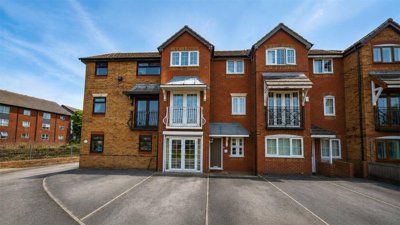
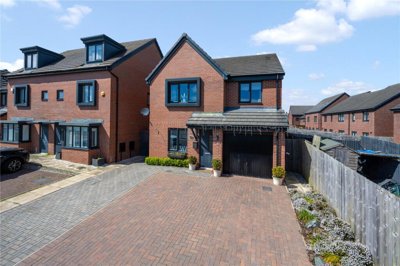
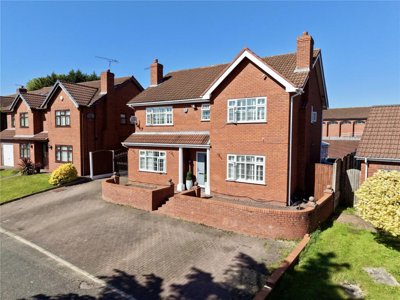
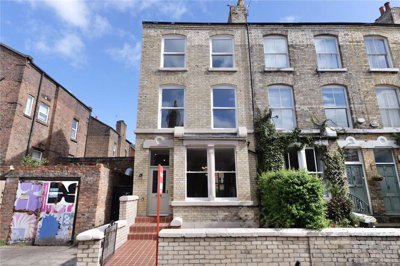
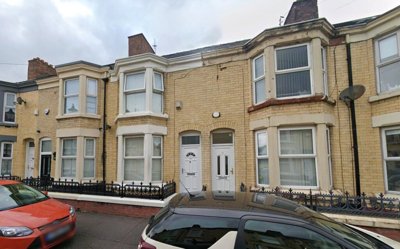
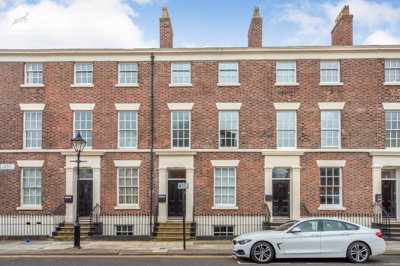
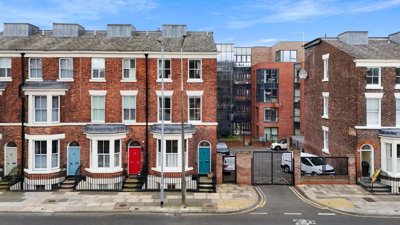
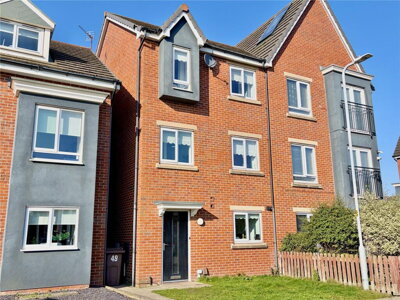
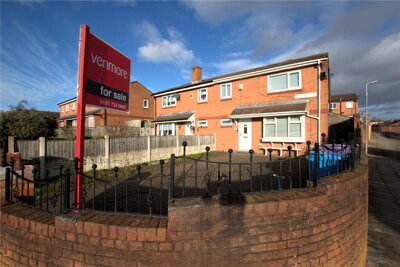
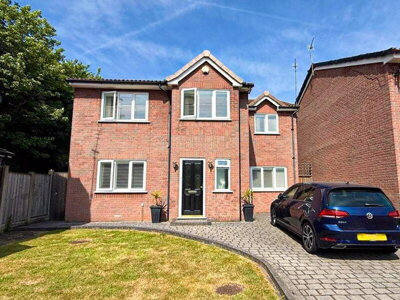
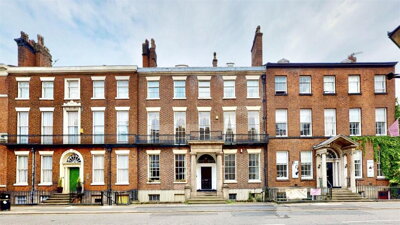
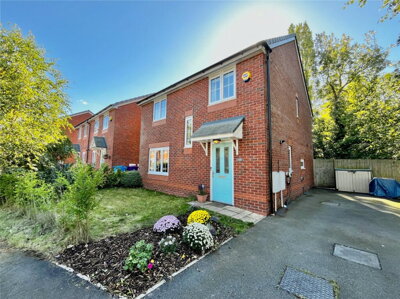
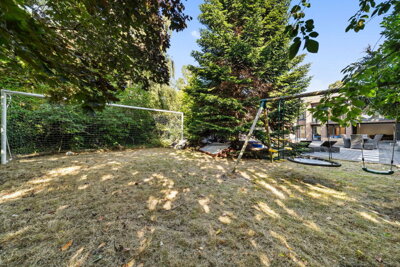
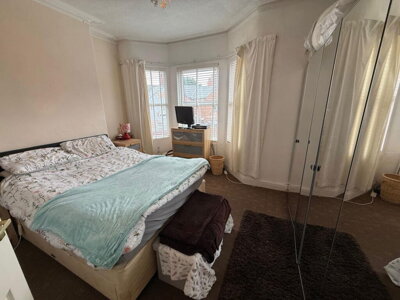
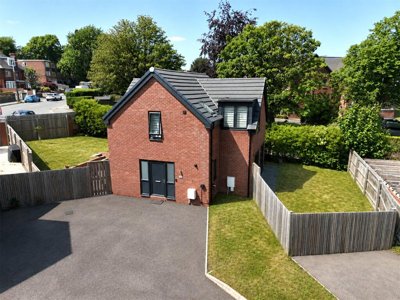
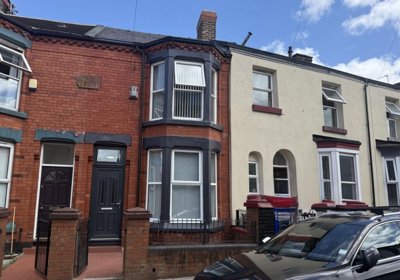
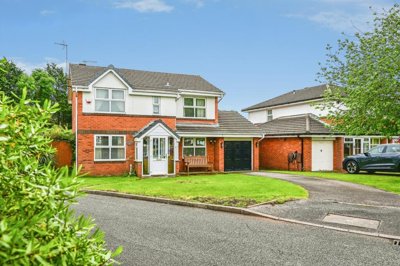
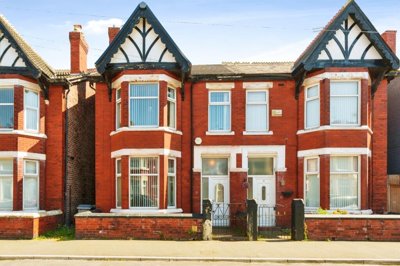
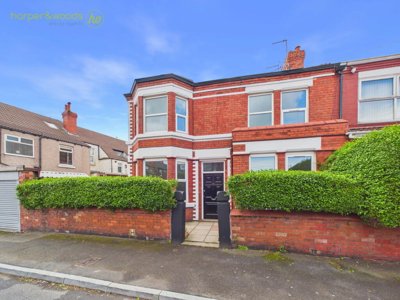
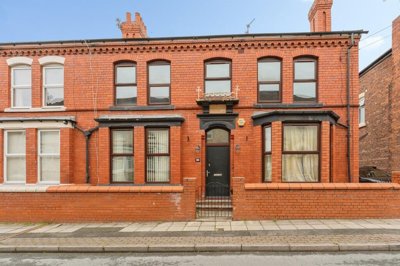
Browse 141 homes for sale in L3 from local estate agents.
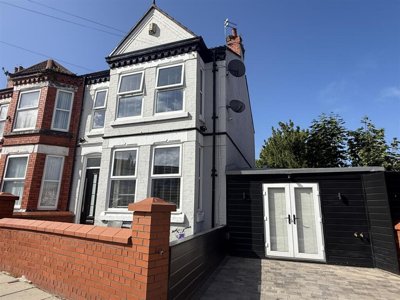
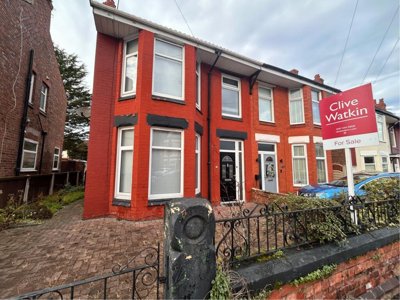
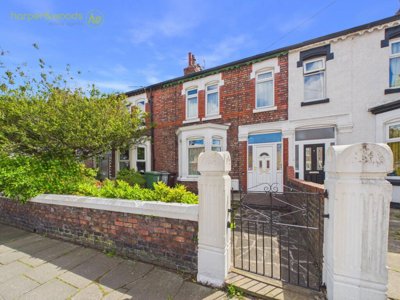
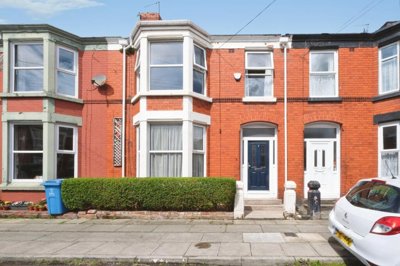
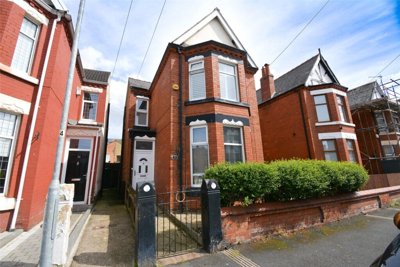
The larger property sector typically features multiple bathrooms, substantial reception space, and private gardens or off-street parking. Four bedroom houses in L3 span detached, semi-detached, and occasionally terraced configurations, with styles ranging from period properties to modern executive homes.
£300k
1
0
18
Source: home.co.uk
Showing 1 results for 4 Bedroom Houses for sale in L3. The median asking price is £300,000.
Source: home.co.uk
Terraced
1 listings
Avg £300,000
Source: home.co.uk
Source: home.co.uk
L3 gives buyers a fairly broad slice of Liverpool’s market, rather than one neat category. In our current listings, you will see modern one-bedroom apartments in new developments, larger terraced houses in established streets, and plenty in between. Sold prices show flats averaging about £191,906, with semi-detached properties at around £194,438. Terraced homes sit higher, at an average of £264,800, which says a lot about the pull of character property so close to the centre.
New build schemes are still changing the feel of L3, particularly around the waterfront and regeneration areas. In the Pumpfields regeneration zone, SoapWorks brings smart one-bedroom apartments into the mix. The Lexington has studios plus one, two, and three-bedroom apartments, with Wi-Fi and a 24-hour gym included. Royal Quay, The Reach on Leeds Street, and Princes Dock add fully furnished two-bedroom apartments with parking, aimed squarely at professionals who want city-centre convenience.
Most completed sales in L3 have clustered between £152,000 and £194,000, with 52 sales in that band over the past year. Another 42 sales came in between £110,000 and £152,000, so the city-centre market is still reachable for many first-time buyers. In total, there were 175 residential sales in the past 12 months, a fall of 21% on the previous year. That points to a market settling back after the 2022 peak of £214,981, although the area’s transport, culture, and amenities continue to keep demand alive.
For investors, L3’s rental market is helped by steady demand from students, young professionals, and people working in the commercial district. Homes close to the universities tend to attract stronger rents. New-build flats with gyms, concierge-style services, or other shared amenities often appeal to tenants who want a simple move into the city centre. Pumpfields is also worth watching, as regeneration there is still bringing in fresh development and extra local facilities.
L3 takes in some of Liverpool’s best-known addresses, including the Royal Albert Dock waterfront, the commercial business district, and several of the North West’s most important buildings. The contrast is part of the appeal, Victorian warehouses, glass-fronted apartment blocks, and conversion flats inside historic structures all sit close together. Royal Albert Dock, built circa 1846, remains a major Liverpool landmark, with Tate Liverpool, The Beatles Story Museum, restaurants, and shops bringing in visitors from across the region.
Daily life in L3 puts many of Liverpool’s cultural and retail spots within easy reach. Liverpool ONE, among the UK’s largest open-air shopping centres, has over 160 stores, places to eat, and entertainment venues. Bold Street offers a more independent flavour, with cafés, shops, and nightlife, while Derby Square gardens and the waterfront promenades give residents outdoor space for an evening walk by the Mersey. With two major universities nearby, the area also has the busy, international feel that comes with a large student and academic population.
Offices and employers across the L3 district support a local economy built around financial services, creative work, hospitality, and professional roles. That matters for property, because many workers want to live close enough to walk or take a short train or bus ride. Tourism adds another layer. The waterfront, museums, Albert Dock restaurants, and surrounding streets bring people in throughout the year, which keeps the area active well beyond normal office hours.
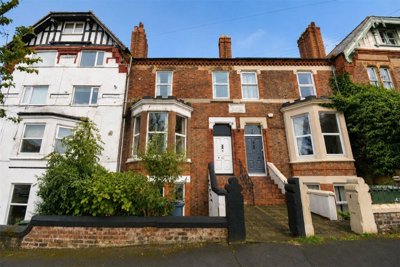
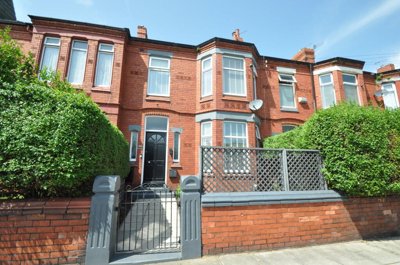
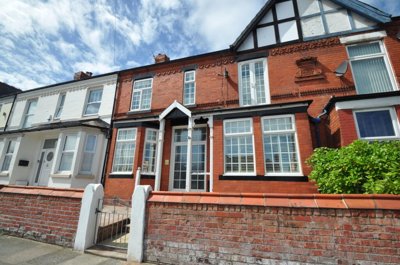
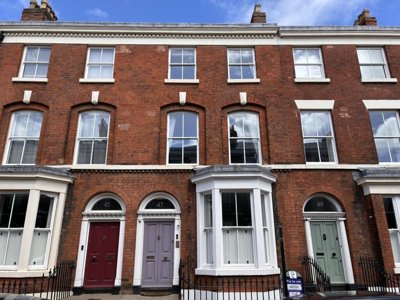
The buildings in L3 tell the story of an area that has been adapted again and again. On streets such as Victoria Street and Chapel Street, traditional Victorian and Edwardian blocks often have red brick elevations and ornate stone details. Newer schemes use render, steel frames, and large areas of glazing. Many older buildings have been converted into flats, with exposed brickwork, high ceilings, and big windows kept where possible, a combination that buyers looking for character often ask us about.

Education in and around L3 is strongly shaped by Liverpool’s higher education sector. Liverpool John Moores University and the University of Liverpool both have campuses within easy reach, which makes the postcode appealing to students, graduates, and young professionals who want libraries, teaching buildings, and university facilities close by. The University of Liverpool, founded in 1881, is ranked among the top 200 universities globally and has students from over 130 countries.
Families considering L3 can look at primary and secondary schools across the wider Liverpool City Council area. Nearby primary options include St Patrick's Catholic Primary School, which serves the city-centre community and has a strong academic record, and Princes Primary School, which has received positive Ofsted reports for pupil achievement and development. For older pupils, Liverpool Life Sciences UTC and the Academy of St Francis of Assisi are among the secondary options serving students from L3 and nearby postcodes.
Before buying with schools in mind, parents should check current catchment areas and performance information directly with Liverpool City Council and Ofsted. Admissions rules can move from year to year, and may depend on distance, faith criteria, and sibling links. Because L3 is a city-centre postcode, some families choose schools in neighbouring areas instead. School buses and the wider public transport network can make that workable if a particular school is the priority.
L3 is not only about primary, secondary, and university study. Further education colleges, specialist training providers, and professional development institutions are also within reach. Liverpool Community College and Liverpool Institute for Performing Arts both serve the local community, with vocational, technical, and creative routes for young people and adults looking to build skills or change career.

Transport is one of L3’s clearest strengths. Liverpool Lime Street railway station, the city’s mainline hub, is within easy walking distance and has direct services to London Euston, approximately 2 hours 15 minutes, Manchester Piccadilly, around 50 minutes, and Birmingham New Street. Merseyrail links Liverpool with Southport, Chester, and Wirral, while James Street station is especially useful for the waterfront side of L3.
Drivers have access to key routes including the A5052 and A5036, with onward links to the national motorway network via the M62. That makes L3 workable for people who commute to surrounding areas or need to travel out of the city regularly. Parking is the trade-off. In the city centre it can be costly and limited, so many residents decide they can manage with trains, buses, cycling, and walking rather than owning a car.
Liverpool John Lennon Airport in Speke is about 20 minutes from L3 by car or public transport. It offers domestic and European flights and serves millions of passengers each year, which is useful for frequent flyers and residents with family abroad. For travel within Liverpool, bus services run by Arriva and Stagecoach connect L3 with the rest of the city and beyond.
Cycling is a practical option for many L3 residents, helped by the Liverpool City Bike Share scheme and dedicated cycling routes along the waterfront. The city centre is mostly flat, so it suits a wide range of abilities, and cycle lanes on key routes improve safety for riders. Walking often works just as well. From many L3 homes, shops, stations, offices, and leisure venues are within 15-20 minutes.

Before viewing property in L3 Liverpool, it is sensible to get a mortgage agreement in principle from a lender. It sets out how much you are likely to be able to borrow based on your finances and gives sellers more confidence when you make an offer. In a competitive city-centre market, proof that your funding is lined up can make a real difference.
Spend time comparing current L3 listings before you commit to viewings. There are 175+ properties on the market, from modern apartments around £150,000 through to Victorian conversions and new builds above £250,000. Our inspectors often remind buyers to look past the headline price, especially with city-centre flats. Service charges, ground rent, and council tax bands can change the monthly cost quite sharply.
Once you have a shortlist, speak to the estate agents marketing homes in L3 and book viewings. Older properties deserve a careful look, especially Victorian conversions and warehouse apartments, where damp, roof wear, and dated electrics are not unusual. Take photos and notes while you are there. Our surveyors regularly find defects in converted buildings that were not obvious during viewings, which is why we recommend a professional survey before exchange.
After a purchase has been agreed, we usually recommend instructing a RICS Level 2 Survey, also known as a Homebuyer Report. L3 has a mix of older buildings and modern apartment blocks, so the survey helps identify structural concerns, visible defects, and repair issues before you are legally tied in. For listed buildings or historic warehouse conversions, a more detailed RICS Level 3 Survey may be the better option, particularly where period construction and original features need closer assessment.
A solicitor with Liverpool property experience can make the legal stage smoother. They will order local searches, check the title deeds, and deal with the seller’s solicitor. Leasehold homes are common in L3, so service charges, ground rent terms, lease length, and planned maintenance costs need proper attention before you move too far along.
Once searches are clear and the mortgage offer is in place, your solicitor will arrange contract signing and deposit payment. On completion day, the balance is transferred and the keys to the L3 property are released. Our team can point you towards local conveyancers who are used to the details that come with Liverpool city-centre purchases.
Buying in L3 calls for a close look at details that may not stand out on a first viewing. Flats and apartments make up much of the local housing stock, so many homes are leasehold rather than freehold. The remaining lease term, ground rent, and service charge position all matter. Charges in city-centre blocks can differ widely, from basic upkeep of common parts to buildings with concierge services, gyms, and more expensive shared facilities.
Much of L3’s appeal comes from its historic buildings, including Victorian conversions, warehouse apartments, and properties around the Royal Albert Dock area. That history can bring restrictions. Homes in conservation areas may have limits on permitted development rights, and listed buildings around Royal Albert Dock and nearby streets need Listed Building Consent from Liverpool City Council for external alterations. Our surveyors have assessed many older Liverpool properties and know the typical issues, including brickwork deterioration, timber defects, and ageing building services.
Construction types in L3 change from street to street. Victorian and Edwardian buildings commonly use solid brick walls with lime-based mortars, which allow moisture to move through the structure. Modern developments are more likely to have cavity wall construction with insulation. The wider Liverpool area sits on Triassic sandstones and mudstones, and those ground conditions can influence subsidence or ground movement risk, although exact L3 data should be checked through local searches. Our Level 2 Surveys include an assessment of potential ground-related issues that could affect long-term structural integrity.
Some L3 properties need a closer look at flood risk because of the River Mersey and the old dock systems. The risk varies by exact address and should be confirmed through property searches. During our inspections, we look for signs such as previous water ingress, damp penetration, and drainage problems, all of which can point to higher risk. Basement flats and ground-floor homes near the waterfront need particular care before purchase.
Recent sold-price figures put the average sold house price in L3 Liverpool over the last 12 months at approximately £193,339, according to homedata.co.uk, with homedata.co.uk also reporting a similar figure of £190,709. Prices in L3 were 3% up on the previous year, although still around 10% below the 2022 peak of £214,981. Flats averaged £191,906, semi-detached properties around £194,438, and terraced properties reached approximately £264,800. The largest group of sales, 52 transactions, sat in the £152,000 to £194,000 bracket, keeping city-centre apartments within reach for first-time buyers and investors.
Liverpool City Council sets council tax bands for homes in L3, from A to H, based on assessed property value. Many city-centre apartments fall into bands A to C, while larger period properties and houses may sit higher. To check a specific home, use Liverpool City Council’s online council tax valuation list or contact the council. Band D is often used as the comparison point, and current charges for every band, plus discounts and exemptions, are listed on the Liverpool City Council website.
L3 is mainly a city-centre postcode, with higher education playing a big part in the local area. Liverpool John Moores University and the University of Liverpool are both ranked among the UK’s leading institutions and draw students from the UK and overseas. For primary education, St Patrick's Catholic Primary School and Princes Primary School serve the local community and have good Ofsted ratings. Secondary options in the wider area include Liverpool Life Sciences UTC and the Academy of St Francis of Assisi. Parents should check the latest Ofsted ratings and catchment information with Liverpool City Council, as admissions are based on proximity and other criteria that can change annually.
L3 Liverpool is very well connected by public transport, which suits commuters and anyone who would rather not depend on a car. Liverpool Lime Street has mainline rail services to London, Manchester, Birmingham, and other major cities, with the quickest journeys to the capital taking around 2 hours 15 minutes. Merseyrail services from James Street connect to wider Merseyside, including Southport, Chester, and Wirral. Arriva and Stagecoach buses cover the city, and Liverpool John Lennon Airport is approximately 20 minutes away by car or bus, with domestic and European flights.
Investors are drawn to L3 for several reasons: student demand, young professional tenants, regeneration in places such as Pumpfields, and the postcode’s role as a major economic and cultural hub. Liverpool’s two universities provide a constant pool of renters, while the business district attracts tenants prepared to pay more for well-placed modern flats. L3 prices have shown 3% annual growth, but buyers still need to check apartment service charges, lease terms, and current rental conditions. Parking, outside space, and strong character features usually help a property stand out.
For standard purchases in England, stamp duty is charged at 0% on the first £250,000, 5% from £250,001 to £925,000, 10% from £925,001 to £1.5 million, and 12% above £1.5 million. First-time buyers receive relief on the first £425,000 and pay 5% on the portion between £425,001 and £625,000. With the average L3 price around £193,339, many buyers at that level would pay little or no stamp duty. First-time buyers would pay nothing on homes up to £425,000. Use our calculator or speak to a financial adviser about your own position, as thresholds and relief rules can change.
Victorian property in L3, including warehouse conversions and period houses, often needs a more careful technical assessment than a newer flat. We commonly look for penetrating and rising damp in solid brick walls, roof problems such as slipped slates and failing pointing, older electrical installations that may fall short of current regulations, and timber defects including woodworm or dry rot in joists and roof timbers. The Mersey’s proximity can also contribute to higher moisture levels in older buildings. Our RICS Level 2 Survey is designed to pick up these issues before you commit, while a RICS Level 3 Building Survey gives a fuller assessment and repair guidance for more complex period homes.
The full cost of buying in L3 Liverpool is not just the agreed purchase price. Stamp Duty Land Tax, or SDLT, is usually the largest extra charge. At the current L3 average of about £193,339, first-time buyers would pay no SDLT under current thresholds, and standard buyers would pay nothing on the first £250,000. For higher-value property, such as terraced houses averaging £264,800, the stamp duty bill would be around £740 on the part above £250,000.
Surveyor fees also need to be included in the budget. RICS Level 2 Surveys in L3 typically cost between £400 and £800, depending on the property’s size and value. Our team provides competitive survey fees across the L3 postcode, including specialist checks for listed buildings and historic conversions. Conveyancing for Liverpool purchases generally starts from around £500 to £1,500, including local searches, title registration, and legal work.
Other buying costs can include mortgage arrangement fees, often 0.5% to 1% of the loan amount, lender valuation fees, and removals, which depend on distance and how much you are moving. Leasehold flats can bring notice fees, deed certificate charges, and any service charge or ground rent apportionments due on completion. Our recommended solicitors and mortgage brokers can give transaction-specific quotes so you can budget properly for an L3 purchase.
As you work out the total cost, remember that Liverpool City Council council tax is payable from completion day, and buildings insurance must be arranged before keys are released. Many L3 buyers also set aside money for early repairs or improvements identified in the survey. In older properties, our inspectors often find work needed to update electrics, plumbing, or structural elements to modern standards.
From 3.84%
Our approved mortgage brokers help find suitable rates for an L3 Liverpool purchase
From £499
Our recommended solicitors deal with the legal work for Liverpool property purchases
From £350
Our inspectors assess the main L3 property types, from modern flats to Victorian conversions
From £600
Detailed building surveys for older and listed properties in Liverpool L3
Properties for Sale In London

Properties for Sale In Plymouth

Properties for Sale In Liverpool

Properties for Sale In Glasgow

Properties for Sale In Sheffield

Properties for Sale In Edinburgh

Properties for Sale In Coventry

Properties for Sale In Bradford

Properties for Sale In Manchester

Properties for Sale In Birmingham

Properties for Sale In Bristol

Properties for Sale In Oxford

Properties for Sale In Leicester

Properties for Sale In Newcastle

Properties for Sale In Leeds

Properties for Sale In Southampton

Properties for Sale In Cardiff

Properties for Sale In Nottingham

Properties for Sale In Norwich

Properties for Sale In Brighton

Properties for Sale In Derby

Properties for Sale In Portsmouth

Properties for Sale In Northampton

Properties for Sale In Milton Keynes

Properties for Sale In Bournemouth

Properties for Sale In Bolton

Properties for Sale In Swansea

Properties for Sale In Swindon

Properties for Sale In Peterborough

Properties for Sale In Wolverhampton

Enter your details to see if this property is within your budget.
Loans, cards, car finance
Estimated property budget
Borrowing + deposit
You could borrow between
Typical borrowing
Monthly repayment
Est. at 4.5%
Loan-to-value
This is an estimate only. Your actual budget may vary depending on interest rates, credit history, and personal circumstances. For an accurate affordability assessment, speak to one of our free mortgage advisors.
This calculator provides estimates for illustrative purposes only and does not constitute financial advice. Your home may be repossessed if you do not keep up repayments on your mortgage. Estimates based on 4.5% interest rate, repayment mortgage. Actual rates depend on your circumstances.
Homemove is a trading name of HM Haus Group Ltd (Company No. 13873779, registered in England & Wales). Homemove Mortgages Ltd (Company No. 15947693) is an Appointed Representative of TMG Direct Limited, trading as TMG Mortgage Network, which is authorised and regulated by the Financial Conduct Authority (FRN 786245). Homemove Mortgages Ltd is entered on the FCA Register as an Appointed Representative (FRN 1022429). You can check registrations at NewRegister or by calling 0800 111 6768.

We use cookies to show you personalised content and improve your experience of our website. Find out more in our Privacy policy and Cookie policy.