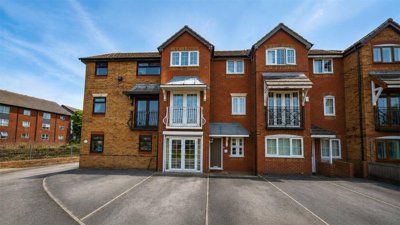
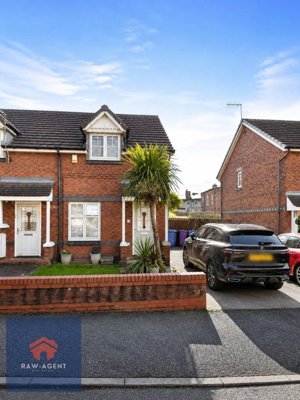
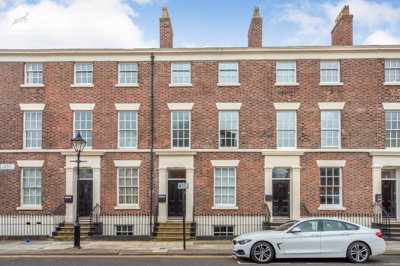
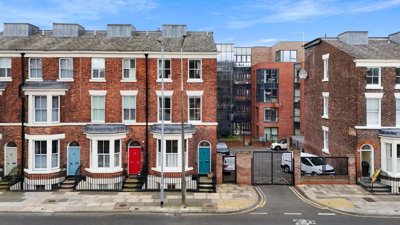
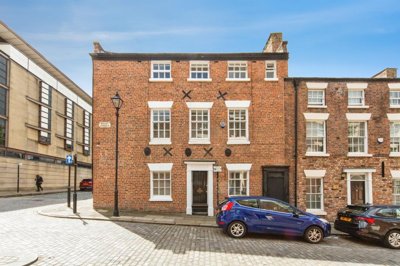
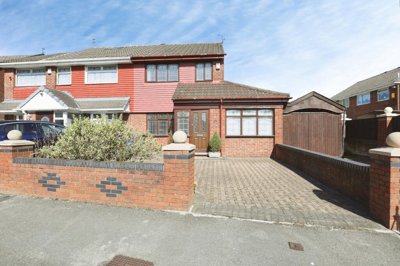
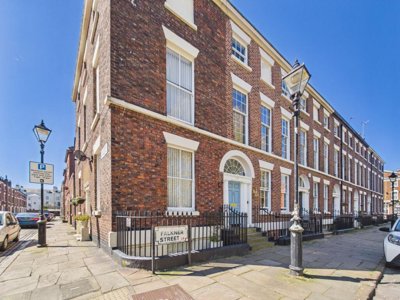
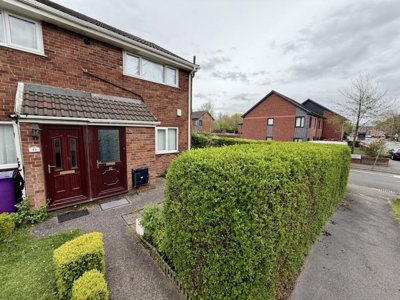
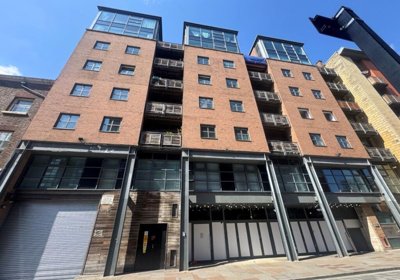
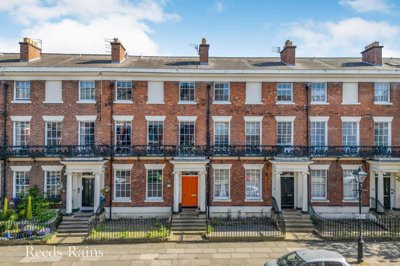
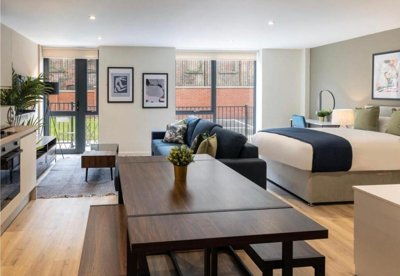
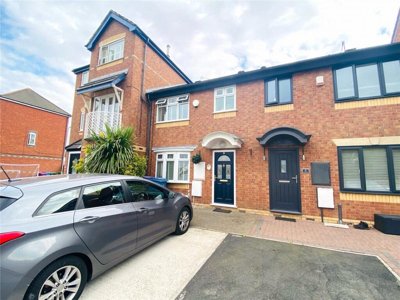
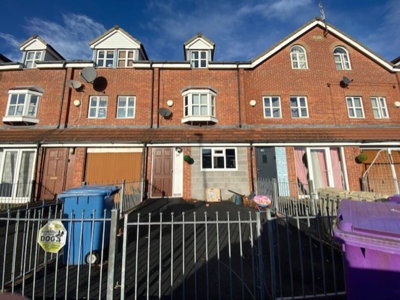
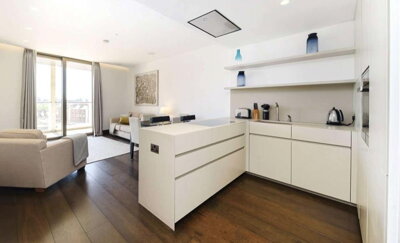
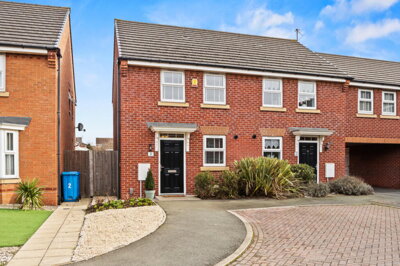
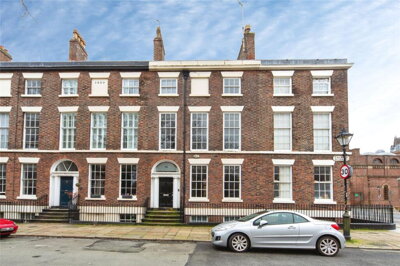
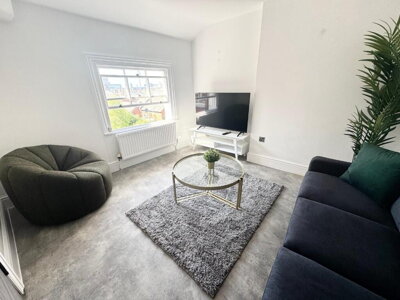
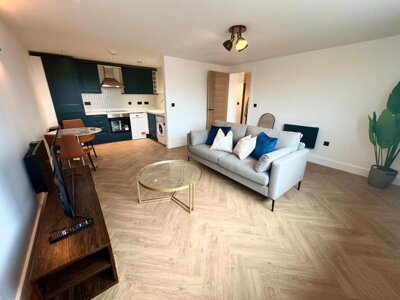
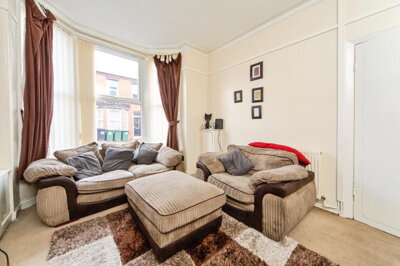
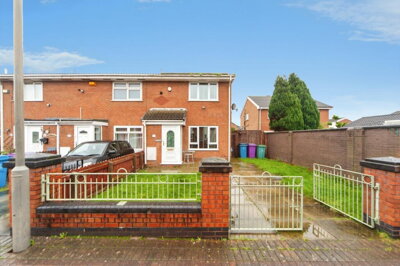
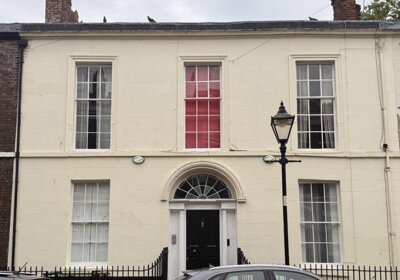
Browse 64 homes for sale in L2 from local estate agents.
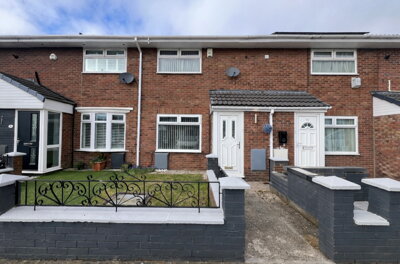
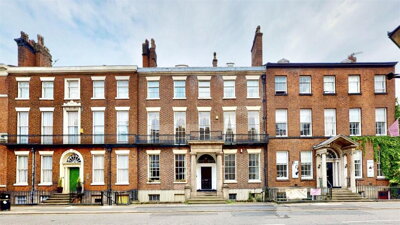
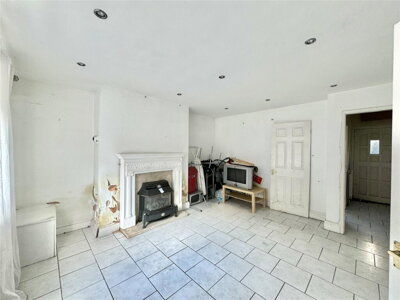
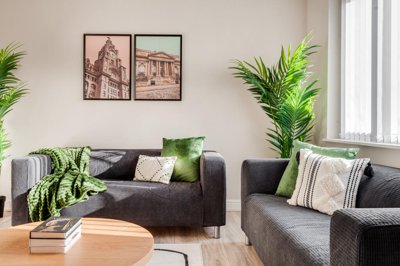
The L2 property market offers detached, semi-detached, and terraced houses spanning various price ranges and neighbourhoods. Each listing includes detailed property information, photographs, and direct contact with the marketing agent.
£0k
0
0
0
Source: home.co.uk
Showing 0 results for Houses for sale in L2.
**PASSAGE 1:** Liverpool L2 gives buyers a rare chance to live in the city centre without jumping straight into the top end of the market. Recent data from major property portals shows about 1,192 properties changing hands across L2 in the last twelve months, which points to a healthy level of activity for a postcode like this. On recent sales, flats in L2 are sitting at roughly £132,660 to £152,726, while the overall postcode average comes in at between £130,000 and £147,264 depending on which figure you use. home.co.uk listings data also shows a 7% correction in overall house prices over the past twelve months, so buyers with a longer view may see room to move. Across the wider Liverpool postcode area, the picture is firmer, with average prices up by 3% or around £7,200 in the twelve months to December 2025, which suggests the market still has some strength behind it.
Terraced homes in L2 are thin on the ground, which is hardly surprising given the area’s commercial past, and the ones that do appear tend to attract stronger asking prices because they are hard to replace. Across Liverpool as a whole, values have held up better, with prices rising by 3% across the city postcode area in the twelve months to December 2025. Detached and semi-detached homes are scarce in L2, since apartments and converted buildings dominate the housing mix. Looking at the wider Liverpool market, flats accounted for 1,399 sales, terraced properties for 3,492, semi-detached for 2,930, and detached for 1,134 over the last year. Those figures include surrounding postcodes, though, and L2 itself still reads as a flat-led market with very little house stock.
**PASSAGE 2:** New build work in L2 is centred on apartment schemes, which matches its city centre setting. A lot of developments marketed as "Liverpool City Centre" actually sit in neighbouring L1 or L3, but L2 does have modern apartment blocks built since the 1980s, and the move towards city centre living really gathered pace over the last 20-30 years. Plumplot puts the price of a newly built property in the broader Liverpool postcode area at £269k, alongside 394 sales of newly built properties in the last twelve months. Most of those new homes sold in L1 8, where there were 86 sales, although L2 still draws developers looking to make the most of this prime city centre spot.

Liverpool L2 offers a very urban way of living, backed by some striking Victorian and Edwardian architecture. The postcode includes the historic Pier Head, where the Liver Building, Cunard Building, and Port of Liverpool Building sit within Liverpool's UNESCO World Heritage Site corridor. From here, residents get waterfront views across the River Mersey, while Albert Dock nearby brings restaurants, leisure space, and attractions such as Tate Liverpool and the Beatles Story exhibition. The Castle Street and Stanley Street Conservation Areas, inside L2 and next to it, help protect the area’s architectural character, so the historic fabric is carried forward rather than chipped away.
The people living in Liverpool L2 reflect the postcode’s mixed and cosmopolitan feel, with many working in financial services, legal work, shipping and logistics, or the creative industries. The nearby University of Liverpool, Liverpool John Moores University, and Liverpool Hope University also bring in a sizeable student population, which keeps the area busy and lively. Demand for city centre homes is supported by major banks, law firms, and public sector employers, while retail and hospitality add more jobs into the mix. Day to day life is easy here too, with restaurants, bars, gyms, and supermarkets close at hand, so residents do not have to travel far for the basics.
L2 sits right at the centre of Liverpool’s business and financial district, and that keeps demand for city centre homes steady. Financial services firms, legal practices, shipping and logistics businesses linked to the port, and public sector offices including local government all contribute to the local jobs picture. Those employers matter, because they bring in young professionals looking for convenience and investors focused on the rental market. The location also puts residents close to Liverpool ONE shopping centre, along with a strong choice of restaurants, bars, and cultural venues, which is a big part of L2’s appeal.

Families who are thinking about Liverpool L2 will find a range of schools nearby, but the picture is quite different from a typical suburban district. The immediate L2 postcode is mainly for young professionals and students, while the wider Liverpool area gives access to a good spread of primary and secondary schools. Catchments need checking carefully, as admissions can be competitive in popular parts of the city. Because L2 is so central, many families end up looking at L1, L3, and L7 instead, where there is more traditional family housing and stronger school provision. Inside L2 itself, properties are usually flats and apartments, so there are no conventional catchment patterns to lean on and families often need to look next door for primary school choices.
Liverpool has several respected secondary schools and grammar schools, including Liverpool College, the Liverpool Blue Coat School, and St Francis Xavier College, all of which take pupils from across the city. Liverpool Blue Coat School, in Wavertree in L15, is regularly oversubscribed and is widely seen as one of the strongest state schools in the region. St Francis Xavier College, a Jesuit Catholic school in L6, is also well regarded and attracts applicants from all over Liverpool. For primary education, St Mary's Catholic Primary School in the city centre area and Princes Primary School serve local families, although catchment areas can be tight for central postcodes.
For higher education, the University of Liverpool and Liverpool John Moores University are both close to L2, giving access to well-known undergraduate and postgraduate courses. The University of Liverpool is a founding member of the Russell Group and regularly places among the UK's top universities. Liverpool John Moores University has a strong reputation too, especially in law, business, and engineering. Students living in L2 can walk to campus facilities, libraries, and the wider social life that comes with city centre living. For buyers looking at investment, the student rental market in Liverpool can produce attractive rental yields, especially for well-situated apartments near university buildings.

Liverpool L2 is well served for transport, so getting around the city and beyond is fairly straightforward. Liverpool Lime Street station, one of the city’s mainline rail hubs, is within easy reach and has direct services to London Euston, taking approximately 2 hours 45 minutes, Manchester Piccadilly at around 50 minutes, and Birmingham New Street in roughly 1 hour 50 minutes. The Merseyrail network gives quick local links across Merseyside, with trains to Southport, Chester, and the Wirral, while Liverpool South Parkway connects to Manchester Airport. Moorfields station, also on Merseyrail, adds another handy city centre option.
Drivers in L2 are close to the A5036 and A5052, both of which link into the wider road network through the M57 and M58. The A5036 offers direct access to the Port of Liverpool and ties into the M58, while the A5052 runs through the city centre and waterfront. Liverpool John Lennon Airport is about 7 miles from the centre, with domestic and international flights available. Cycling is another plus, with dedicated lanes along the waterfront and into the city centre, and Santander Cycles gives a further option for shorter trips. Liverpool City Bike also has plenty of docking stations dotted around the city centre.
Arriva and Stagecoach buses cover the city and surrounding districts well, with stops throughout L2. Queens Square bus station, close by, adds more regional routes across Merseyside and further afield. Liverpool John Lennon Airport is around 7 miles away, with solid road links and public transport via the 80A bus service. Parking can be tight in the most built-up parts of L2, so that is something to keep in mind if you want to own a car. Many people here find the public transport so good that a car is not really needed, though buyers with vehicles should still check parking arrangements before they commit.

We would start by looking at current listings in Liverpool L2, so you can see the flats and apartments that are actually available now. Our platform gives up-to-date details on prices, property types, and local schemes. It also helps to speak with estate agents who know the city centre market well. With about 1,192 properties sold in L2 over the past twelve months, there is enough movement in the market to build a clear view of availability and pricing.
**PASSAGE 3:** Before you view anything, get a mortgage agreement in principle from a lender. It shows sellers and estate agents that the finance is there, which can give you an edge in a fast-moving city centre market where homes often go quickly. With average prices in L2 sitting at around £130,000 to £147,264, many buyers will find that city centre flats fall into accessible mortgage brackets. A mortgage broker who knows the Liverpool market can talk through the products that may suit you best.
Book viewings for the properties that fit what you want. When we look at flats in L2, we pay close attention to lease terms, service charges, and the condition of shared parts of the building. Ask about ground rent, any major works due soon, and how long the lease still has to run. A lot of L2 stock comes from converted commercial buildings, so the state of common areas, lift upkeep, and building insurance arrangements all need checking before anyone goes further.
**PASSAGE 4:** After an offer is accepted, we strongly recommend booking a RICS Level 2 Survey to assess the condition of the property. Many of the buildings in L2 are Victorian and Edwardian commercial conversions, so issues such as damp, structural movement, or ageing electrics may not show up at first glance. Our RICS Level 2 Survey service in Liverpool L2 starts from £350, and it is especially useful for older converted properties where defects are often picked up.
We would then bring in a conveyancing solicitor to deal with the legal side of the purchase. They will carry out searches, go through the lease terms, and manage the transfer of ownership. For leasehold homes in L2, we pay close attention to clauses on service charges, ground rent escalations, and whether consent is needed for alterations. Drainage and water searches, local authority searches, and, where relevant, a specialist conservation area or Listed Building search should also be on the list.
Once searches come back clean and the money is in place, contracts are exchanged and the deposit is paid. Completion usually follows within a few weeks, when the keys to the new Liverpool L2 property are handed over. For leasehold purchases, the lease document, building insurance certificate, and any management company papers should all be provided at completion.
Buying in Liverpool L2 means thinking about a few area-specific points that are a bit different from a standard residential market. A large share of the homes here are leasehold, so the lease terms need to be understood before a purchase is agreed. The remaining lease length matters, because lenders usually want at least 70 years left, and so do the annual ground rent and any clauses that allow it to rise over time. Service charges can also vary quite a lot from one development to another, depending on the facilities and how much maintenance is involved. We would ask a solicitor to go through the lease papers in detail and flag anything that could affect how you use the property, or how easy it might be to sell later on.
L2 includes a number of Listed Buildings and properties within Conservation Areas, and that brings extra responsibilities for buyers. A Listed Building is protected because of its architectural or historic value, so alterations, extensions, and even some internal changes may need consent from the local planning authority. Conservation Area rules can also restrict permitted development rights and set requirements for materials and appearance. Castle Street Conservation Area and Stanley Street Conservation Area are especially relevant for L2 homes. Before you buy, it is wise to check whether the property is Listed and to understand what that means for any plans you have. These buildings are part of what makes the area special, but their period features and heritage obligations can mean higher maintenance costs.
Geology and environmental risk should also sit in the background when you buy. Across Liverpool, the ground generally consists of Triassic sandstones, Bunter Sandstone and Keuper Sandstone, over Carboniferous rocks, with superficial deposits such as glacial till and river alluvium in places. Properties with shallow foundations in clay-rich areas can face shrink-swell issues, although L2’s dense urban setting, with many deep-piled modern buildings or solid historic foundations, may reduce that risk. Because L2 sits close to the River Mersey and the old docklands, tidal and river flood risk can exist in very low-lying spots near the waterfront. Surface water flooding is often the more usual urban issue, due to impermeable surfaces and drainage limits, and parts of L2 are exposed to that too.
Construction type varies quite a bit across L2. Older homes, usually pre-1919, tend to be built with load-bearing brick and stone masonry, timber floors and roofs, and slate or tile roofs, as they were often commercial buildings before conversion to residential use. Those conversions can carry electrical and plumbing systems that are no longer up to modern standards. Newer homes, usually post-1980, are more likely to have steel or reinforced concrete frames with blockwork infill, external cladding such as brick slips, render, metal panels, or glass curtain walling, and flat or low-pitch roofs. Fire safety in multi-occupancy buildings, especially older conversions, needs careful checking, and noise transfer between flats can also be an issue in tightly packed city centre blocks.

**PASSAGE 5:** Average property prices in Liverpool L2 currently sit at about £130,000 to £147,264, depending on which data source you look at. homedata.co.uk reports £130,000, while home.co.uk shows £147,264 for the postcode. Flats in the area average roughly £132,660 to £152,726 on recent sales data. Over the last twelve months, the postcode has seen some price correction, with home.co.uk reporting a 7% decline, although that varies by property type and exact location. The wider Liverpool market has been more resilient, with prices up by 3% across the city postcode area in the twelve months to December 2025. For the most accurate current valuation based on your own needs, we would suggest setting up property alerts on our platform or speaking to a local estate agent.
Council tax in Liverpool is set by Liverpool City Council and runs from Band A through to Band H. In L2, city centre flats usually fall into Bands A to D, and many one-bedroom apartments sit in Band A or B because they are lower in value than larger homes. The band is based on the property’s assessed value as of April 1991. You can check a specific band through the Liverpool City Council website or the Valuation Office Agency. Liverpool City Council sets the annual rate according to the band and the number of adults in the household, and single occupancy discounts are available. For a typical one-bedroom flat in L2, Band A or B council tax is what you would normally expect, which keeps city centre living fairly affordable on that front.
Although the immediate L2 postcode is mainly flats without the usual catchment setup, the wider Liverpool area still has strong education options. In surrounding districts, St Mary's Catholic Primary School and Princes Primary School are both well regarded and serve families from across the city centre. For secondary education, Liverpool Blue Coat School in Wavertree (L15) is regularly oversubscribed and is seen as one of the leading state schools in the region, with academic selection drawing pupils from all over Liverpool. St Francis Xavier College in L6 is another sought-after choice, and Liverpool Grammar School is a notable selective school with a wide regional intake. For higher education, the University of Liverpool and Liverpool John Moores University are both easy to reach from L2, and the University of Liverpool remains one of the UK's top universities as a founding member of the Russell Group.
Liverpool L2 is very well linked by public transport. Liverpool Lime Street station gives direct rail services to London Euston in approximately 2 hours 45 minutes, Manchester Piccadilly in around 50 minutes, Birmingham New Street in roughly 1 hour 50 minutes, and a range of other places. The Merseyrail network connects the city to Merseyside destinations including Southport, Chester, and the Wirral, while Moorfields station gives useful city centre access within L2 itself. Arriva and Stagecoach buses cover the city widely, with stops throughout the L2 area, and Queens Square bus station nearby adds more regional options. Liverpool John Lennon Airport is around 7 miles away, with good road access and the 80A bus service linking it to the city.
Liverpool L2 has a few clear attractions for property investors. A large student population from two major universities keeps rental demand steady, and young professionals are drawn to the convenience of living in the city centre. Rental yields in Liverpool city centre have historically compared well with other major UK cities, helped by growth in financial and digital jobs. Regeneration along Liverpool’s waterfront and in the city centre points to the chance of capital growth over the medium to long term. Investors still need to look closely at service charges, which can be high in modern apartment blocks, lease terms, including any ground rent increases, and the possibility of void periods between tenants when they work out returns. The number of Listed Buildings and conservation areas in L2 can also mean more spending on maintenance and restoration.
**PASSAGE 6:** Stamp Duty Land Tax, SDLT, rates from April 2025 are 0% on the first £250,000 of property value, 5% on the portion from £250,001 to £925,000, 10% on the portion from £925,001 to £1,500,000, and 12% on anything above £1,500,000. First-time buyers get relief on the first £425,000 at 0%, with 5% between £425,001 and £625,000. Since average prices in L2 are around £130,000 to £147,264, many flats and apartments will sit entirely within the zero-rate band for standard buyers, so no SDLT would be due. Homes priced between £250,000 and £925,000 need SDLT calculated on the amount above that threshold. For instance, a £400,000 apartment would attract £7,500 in stamp duty, made up of £0 on the first £250,000 and 5% on £150,000.
L2 is close to the River Mersey and the historic docklands, so tidal and river flood risk can be a factor in low-lying areas near the waterfront, especially in parts of the postcode closest to the Albert Dock area. Surface water flooding is often the more common urban concern, because impermeable surfaces and drainage capacity can struggle during heavy rain, and that affects parts of L2. Liverpool is not a traditional coal mining area, so mining-related subsidence is generally not a worry. The wider Liverpool geology does include some clay content that can create shrink-swell risk, but L2’s dense urban environment, with many deep-piled modern structures, usually reduces that exposure. We would ask for a drainage and flooding search as part of conveyancing so any risks attached to a specific property are clear.
From 4.5%
We help you find the right mortgage for a Liverpool L2 purchase. Compare rates from leading lenders.
From £499
Expert legal support for your property purchase. Our approved solicitors handle every stage of buying in Liverpool.
From £350
Our RICS Level 2 Survey highlights defects in Liverpool L2 properties, and it is especially useful for converted buildings.
From £60
Your Liverpool L2 property needs an Energy Performance Certificate. Fast turnaround available.
**PASSAGE 7:** The full cost of buying property in Liverpool L2 goes beyond the purchase price and includes SDLT, legal fees, and survey costs. As set out above, many homes in L2, with average prices around £130,000 to £152,726, sit below the standard SDLT threshold, which makes them especially appealing to first-time buyers and cash purchasers. For homes priced between £250,000 and £925,000, you should allow for a 5% SDLT charge on the amount above £250,000. So a £400,000 apartment would create a £7,500 stamp duty bill, made up of £0 on the first £250,000 and 5% on £150,000. First-time buyers can also benefit from relief on the first £425,000 of value.
**PASSAGE 8:** You will also need to account for solicitor conveyancing fees, which usually sit between £499 and £1,500, depending on how complex the deal is and whether the property is leasehold, because leasehold work means extra documents to review. For leasehold homes in L2, we would want the solicitor to look closely at the lease terms, service charge arrangements, and any lease length left to run. A RICS Level 2 Survey typically costs between £350 and £800 for a city centre flat, while an Energy Performance Certificate is compulsory and usually costs about £60 to £120. Mortgage arrangement fees vary from lender to lender, but they are often 0.5% to 1.5% of the loan amount, and valuation fees may also apply if your lender asks for one.
**PASSAGE 9:** For leasehold homes in L2, you should also budget for searches such as drainage and water searches, local authority searches, and, in some cases, a specialist conservation area or Listed Building search. These usually come to between £200 and £400, depending on what is needed. Building insurance is another ongoing cost to think about, especially for flats where it is often bundled into the service charge. Service charges in city centre schemes can vary a lot, so it is important to know what is included and whether any major works or reserve fund contributions are planned before you buy. Ground rent should also be checked carefully, because some older leases contain escalating clauses that rise sharply over time.

Properties for Sale In London

Properties for Sale In Plymouth

Properties for Sale In Liverpool

Properties for Sale In Glasgow

Properties for Sale In Sheffield

Properties for Sale In Edinburgh

Properties for Sale In Coventry

Properties for Sale In Bradford

Properties for Sale In Manchester

Properties for Sale In Birmingham

Properties for Sale In Bristol

Properties for Sale In Oxford

Properties for Sale In Leicester

Properties for Sale In Newcastle

Properties for Sale In Leeds

Properties for Sale In Southampton

Properties for Sale In Cardiff

Properties for Sale In Nottingham

Properties for Sale In Norwich

Properties for Sale In Brighton

Properties for Sale In Derby

Properties for Sale In Portsmouth

Properties for Sale In Northampton

Properties for Sale In Milton Keynes

Properties for Sale In Bournemouth

Properties for Sale In Bolton

Properties for Sale In Swansea

Properties for Sale In Swindon

Properties for Sale In Peterborough

Properties for Sale In Wolverhampton

Enter your details to see if this property is within your budget.
Loans, cards, car finance
Estimated property budget
Borrowing + deposit
You could borrow between
Typical borrowing
Monthly repayment
Est. at 4.5%
Loan-to-value
This is an estimate only. Your actual budget may vary depending on interest rates, credit history, and personal circumstances. For an accurate affordability assessment, speak to one of our free mortgage advisors.
This calculator provides estimates for illustrative purposes only and does not constitute financial advice. Your home may be repossessed if you do not keep up repayments on your mortgage. Estimates based on 4.5% interest rate, repayment mortgage. Actual rates depend on your circumstances.
Homemove is a trading name of HM Haus Group Ltd (Company No. 13873779, registered in England & Wales). Homemove Mortgages Ltd (Company No. 15947693) is an Appointed Representative of TMG Direct Limited, trading as TMG Mortgage Network, which is authorised and regulated by the Financial Conduct Authority (FRN 786245). Homemove Mortgages Ltd is entered on the FCA Register as an Appointed Representative (FRN 1022429). You can check registrations at NewRegister or by calling 0800 111 6768.

We use cookies to show you personalised content and improve your experience of our website. Find out more in our Privacy policy and Cookie policy.