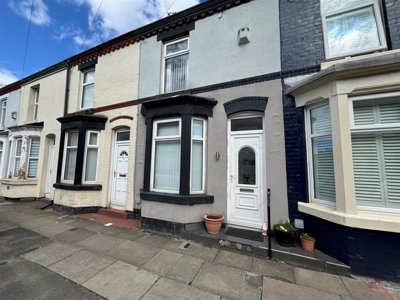
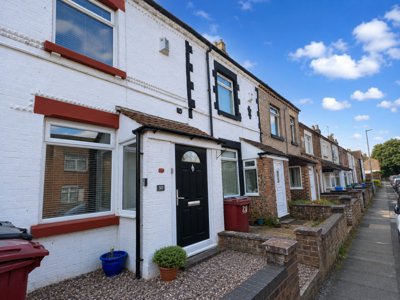
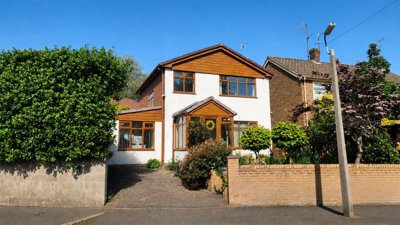
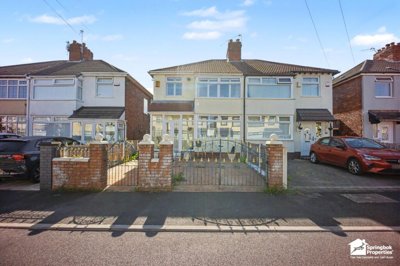
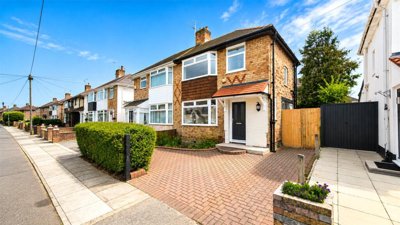
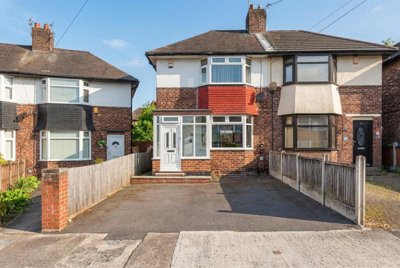
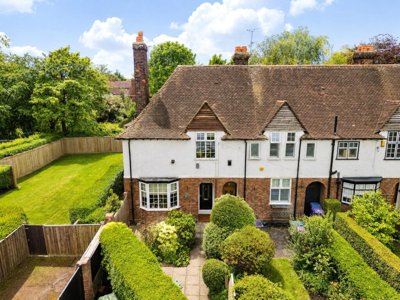
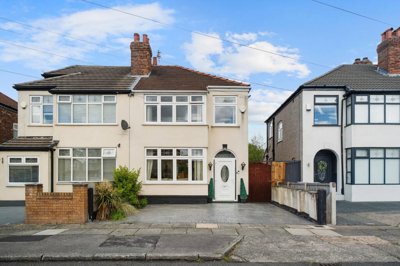
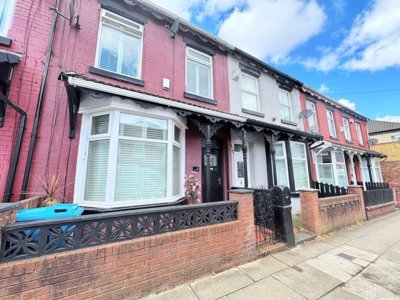
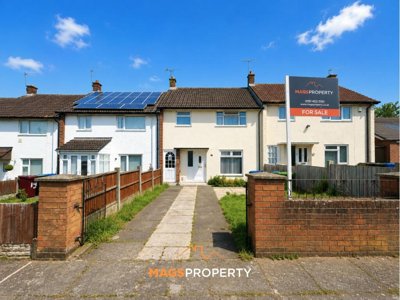
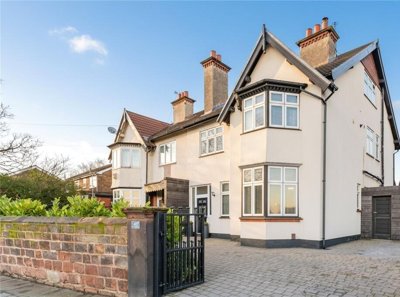
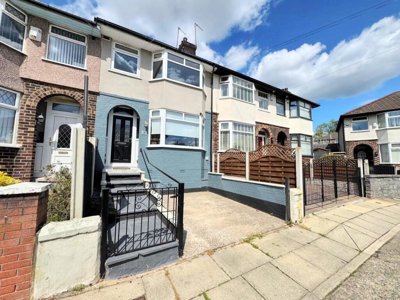
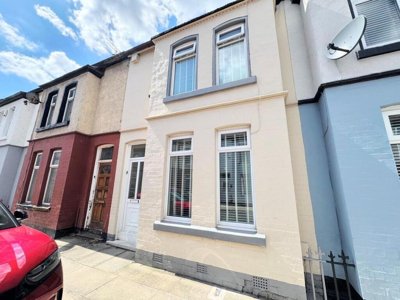
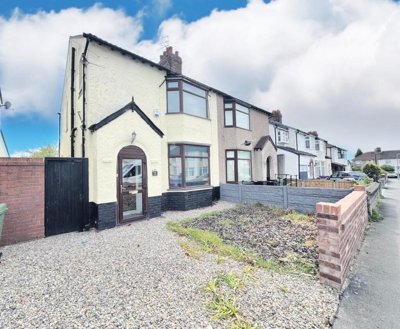
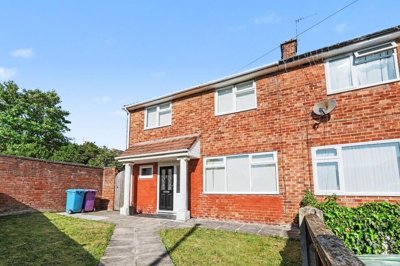
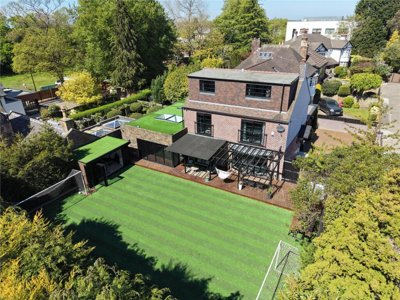
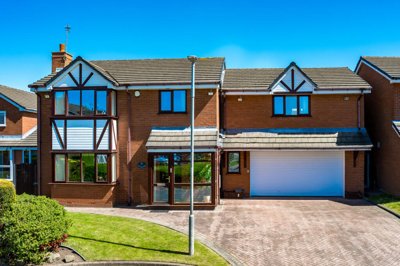
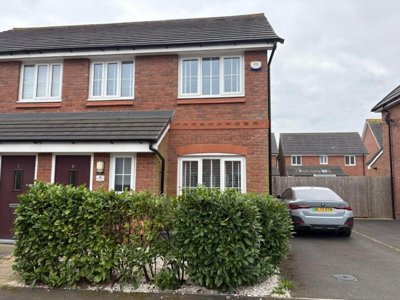
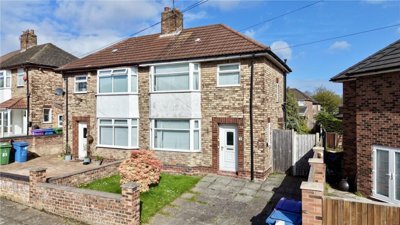
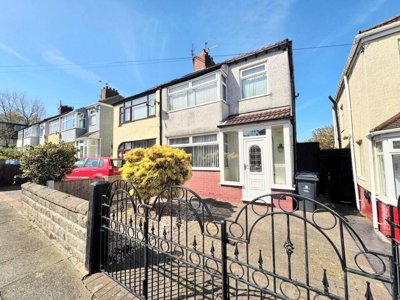
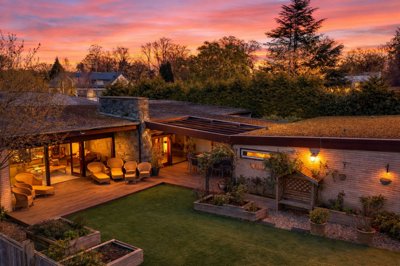
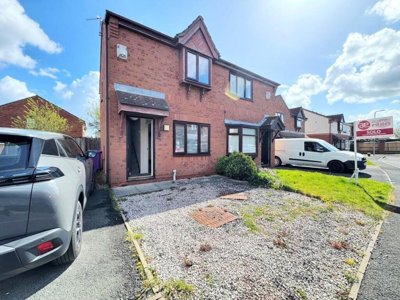
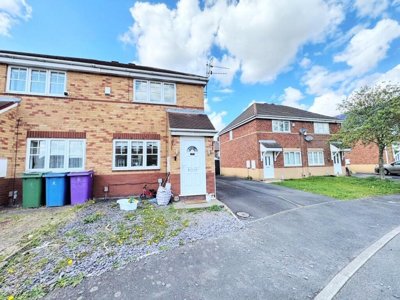
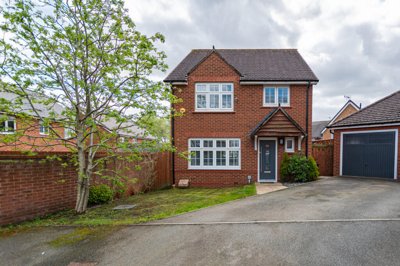
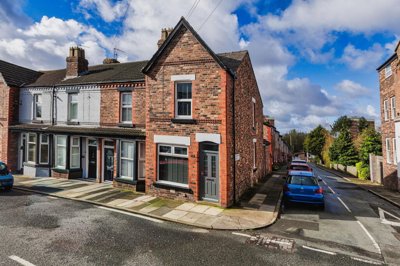
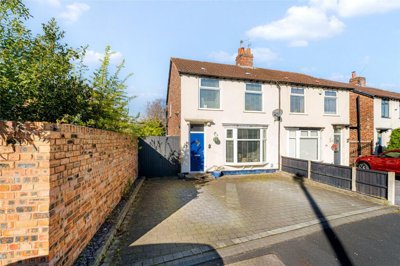
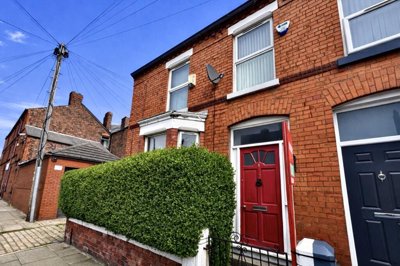
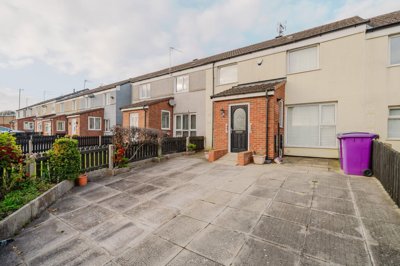
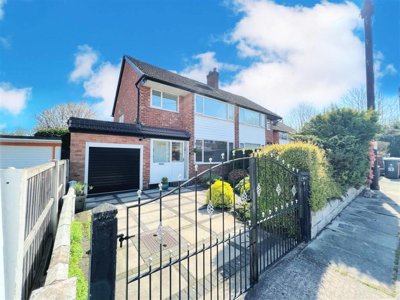
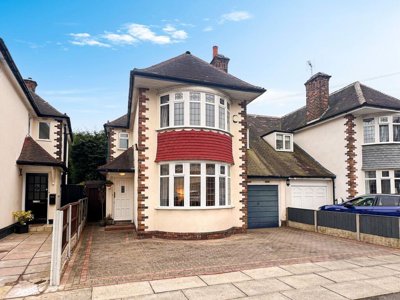
Browse 979 homes for sale in L16 from local estate agents.
The L16 property market offers detached, semi-detached, and terraced houses spanning various price ranges and neighbourhoods. Each listing includes detailed property information, photographs, and direct contact with the marketing agent.
£375k
44
3
115
Source: home.co.uk
Showing 44 results for Houses for sale in L16. 3 new listings added this week. The median asking price is £375,000.
Source: home.co.uk
Semi-Detached
34 listings
Avg £362,647
Detached
10 listings
Avg £461,495
Source: home.co.uk
Source: home.co.uk
L16 covers a broad spread of housing types for different kinds of buyer. Detached homes sit at the top end, averaging £539,000, which reflects the space and family-friendly feel they bring. Semi-detached houses make up a substantial part of the stock and usually fetch £339,570, so they remain a strong option for growing families who want more room than a terrace offers. Terraced properties average £192,500, giving L16 an accessible entry point for first-time buyers and investors alike.
Sales in L16 stay fairly thin on the ground, with homedata.co.uk showing about 2 sales per month, 60% below the national average of 5 sales per month. That slower churn often points to a settled market, though it also leaves fewer homes to pick from at any one time. Price movement is patchy across the sub-postcodes: L16 4PD has recorded 19% growth on the previous year, L16 6AN has fallen 16-19%, and L16 3GD has surged 68% over the previous year. Micro-location matters here, and it matters a lot.
New-build choices around L16 include Mill Green Meadows, with three to five-bedroom homes from approximately £362,315 to over £539,000, and Grace Fields at Hilton Grange, where prices run from around £539,000 to £595,000. Eastbrook Village starts at about £316,473 for two-bedroom homes, while St Wilfrids Place offers two-bedroom properties from around £192,500. Buyers get modern construction, energy efficiency and often NHBC warranties, but the premium over equivalent older homes is clear.

The L16 postcode sits within established Liverpool suburbs, and Childwall is one of the best-known. We find a quiet residential feel there, alongside local shops, pubs and community facilities that cover the everyday basics. Heritage is part of the appeal too, from the Childwall Abbey Conservation Area to several Grade II listed buildings, including the Childwall Valley Hotel and structures within All Saints Churchyard. Tree-lined streets and period architecture give it a sense of place newer schemes rarely match.
Liverpool has a young population, with 34% aged between 15 and 34, and that feeds into busy neighbourhoods and a lively labour market. The city is the North's second-largest economy, with professional services worth £8 billion a year and the low carbon sector valued at around £2 billion per annum. The Knowledge Quarter and Liverpool Waters are reshaping the employment map, pulling in young professionals. L16 sits neatly in that wider story, close to those jobs but still suburban in feel.
Woolton brings another layer to L16, with shops, restaurants and community facilities all close by. Woolton Woods and Childwall Valley add proper green space too, with walking routes and room for outdoor time. That mix of parks and village amenities suits buyers after space for children and pets. The pubs and restaurants in Woolton village centre give the area a social side without the need to head into the city centre.

Families looking in L16 find schools for every age, from early years through to secondary, in the postcode and nearby neighbourhoods. Good school results feed directly into demand here, and we see plenty of buyers focused on catchment lines and performance data. Before committing, it makes sense to check current Ofsted ratings and catchment boundaries, because both can change the picture. Community schools and faith schools give different options depending on family priorities.
In Childwall and Woolton, several primary schools serve the local community, and many have earned good or outstanding Ofsted ratings in recent inspections. Most take children from Reception through to Year 6, with some also running before and after-school clubs for working parents. Homes within walking distance can command a premium, especially for families with younger children. Admission policies and the way catchment areas are calculated are worth checking early, before a purchase moves too far along.
Secondary provision is available locally for L16 residents, and some families also look at grammar school options in other parts of Liverpool. St Mary's Catholic Grammar School and other faith schools give a different route for those wanting a faith-based education, while community secondaries educate local children of all abilities. Sixth form study is available at schools and colleges within a reasonable travelling distance, and higher education is close by too, with the University of Liverpool, Liverpool John Moores University and Liverpool Hope University all in the city centre and easy to reach from L16.
We usually suggest school visits and admission research well before a purchase is agreed in L16, because popular schools can be hard to get into. Community school admissions often follow catchment areas, while faith schools may give priority to practising families. Knowing how that works can help us focus on the parts of L16 that match a family's educational priorities.

Rail links are one of L16's strongest features, with services giving quick access to Liverpool Lime Street from different points in the postcode. That puts the city centre within a short journey and opens up the wider Northern Rail network for trips to Manchester, Leeds and other northern destinations. Regular bus routes from Stagecoach and other operators add another layer of choice, while drivers have major road corridors close by for M62 access and onward travel across the motorway network.
Liverpool Lime Street acts as a major rail hub, with services to London Euston, Birmingham New Street and Edinburgh Waverley. Virgin Trains and other operators run frequent trains to the capital, and journey times of around two hours keep day trips and business travel realistic. Northern Rail connects Liverpool with Manchester, Warrington and other regional centres, and the West Coast Main Line opens up routes across England and Scotland.
Liverpool John Lennon Airport is usually within a 30-minute drive of L16, so domestic flights and European routes are within easy reach. Millions of passengers use the airport each year, with services into cities across the UK and Europe. Cyclists face mixed conditions across the postcode, because some routes have dedicated cycle lanes while others rely on shared residential streets. The Merseyside Cycling Map is a useful guide to popular routes, although busier roads still need care. Parking also depends on the street, with permit schemes in some areas and tighter provision in others.

Before we start looking seriously in L16, we like to get an agreement in principle from a lender or mortgage broker. It gives estate agents a clear idea of the budget and shows sellers that finance is already lined up. In a competitive situation, that paperwork can make a real difference when offers are being compared.
A bit of time spent on the ground goes a long way in L16. Childwall, Woolton and the surrounding streets each feel different, so it helps to weigh up school access, transport, amenities and the style of housing before narrowing the search. Period homes in Childwall sit in contrast to newer developments scattered across the postcode, and that mix is part of the appeal.
Local estate agents can line up viewings on properties that fit our brief. Seeing several homes makes it easier to compare condition, price and potential before an offer goes in, and we always advise keeping notes and photographs because details blur after a few visits. It is also sensible to ask why the seller is moving, how long the home has been on the market and whether any price cuts have already been made.
Once an offer is accepted, we arrange a survey to check the property's condition. L16 has a blend of older Victorian, Edwardian and modern housing, so a survey can pick up dampness, structural movement or roof issues that may have slipped past a viewing. Homes over 50 years old are particularly worth a close look, given how much traditional construction still remains here.
A solicitor with Liverpool property experience should handle the legal side. They will carry out searches, deal with contracts and manage the transfer through to completion. Those searches normally include local authority, drainage and water, plus environmental checks that may flag issues such as flood risk or ground stability in the Liverpool area.
When searches come back clean and the money is in place, contracts are exchanged and the deposit is paid. Completion usually follows within 2-4 weeks, and that is when the keys to a new L16 home are handed over. Stamp Duty Land Tax is then calculated and paid on our behalf within 14 days of completion, with the amount set by the purchase price and buyer status.
L16 properties span a wide age range, from Victorian and Edwardian terraces to modern new builds, and each era brings different questions. Older homes make up a sizeable share of the stock, helped by Liverpool's 300+ year building heritage, and they can still carry original sash windows, fireplaces and ornate plasterwork that need care. Many Victorian and Edwardian houses in Childwall were built in local sandstone, brick with lime mortar and solid wooden floors. Those breathable materials need a different approach from modern construction, and cement-based repairs or non-breathable paints can do real harm.
The local ground in L16 includes glacial till deposits of clay, sand and gravel, and the clay-rich patches can bring shrink-swell problems. That means foundations and any signs of subsidence deserve close attention, especially where mature trees may draw moisture from the soil in dry spells. The British Geological Survey warns that climate change is likely to make shrink-swell subsidence worse, with projections that 10% of properties across Britain could be affected by 2070. Cracks that appear suddenly or widen over time, especially diagonal ones from doors or windows, are the warning signs we look for.
Flood risk matters in L16 because the postcode sits within the Liverpool and Sefton Flood Risk Area, where nationally significant surface water flooding is already a concern. Around 15.45% of properties across Liverpool face some level of surface water flood risk, although the figure varies sharply by exact location and height above sea level. Low-lying spots and places near watercourses carry more exposure, while elevated parts of L16 may be much safer. Tidal flooding from the River Mersey can also reach low-lying land during exceptional high tides and storm conditions, though those events are rare. We always advise checking Environment Agency flood maps, plus the property's elevation and drainage history, before buying.
Listed buildings and homes in conservation areas like the Childwall Abbey Conservation Area often need special permissions for alterations, and specialist surveys are usually wise because the construction and materials can be unusual. L16 has six Grade II listed buildings, including houses, the Childwall Valley Hotel and structures within All Saints Churchyard. In conservation areas, planning permission may be needed for major external changes, so future renovation plans can be restricted. The extra cost and rules should be weighed against the character these homes bring.

Recent market data puts the average sold house price in L16 at approximately £362,315. Detached homes average £539,000, semi-detached properties around £339,570, terraced houses about £192,500 and flats £161,667. Over the past year, the market has held fairly steady, sitting around 2% below the 2022 peak of £362,315. Sub-postcodes can swing sharply, with movement ranging from 19% growth to 19% declines, and L16 3GD has been the standout at 68% growth on the previous year.
Liverpool City Council sets council tax bands for L16 properties from A through to H, depending on assessed value. Exact bands for individual homes can be checked on the Liverpool City Council website or by asking our solicitor during conveyancing. As a rough guide, most three-bedroom semi-detached homes in L16 sit in band B or C, while larger detached houses in Childwall may fall into higher bands D or E. Council tax is an ongoing cost, so it belongs in the budget alongside the mortgage and maintenance.
L16 and the nearby Childwall and Woolton areas offer several respected primary and secondary schools that serve the local community. Current Ofsted ratings and performance data are worth checking because education has a big influence on the family buyer market here. Catchment areas matter for school places, so we always verify whether a property falls inside the right boundary before anything is agreed, especially since admission policies can shift and popular schools fill fast. Some families also look at grammar school options in nearby areas, helped by the strong transport links to Liverpool city centre and beyond.
Public transport in L16 is solid, with rail services into Liverpool Lime Street and onward links across the wider Northern Rail network to Manchester, Leeds and other northern destinations. Stagecoach and other bus operators run regular routes through the area, tying residents into Liverpool city centre and nearby neighbourhoods including Woolton, Gateacre and Allerton. Liverpool John Lennon Airport is usually within a 30-minute drive, giving access to domestic flights and European routes for work or leisure. For drivers, the M62 is within reach too, which is one reason L16 appeals to commuters heading for Manchester, Leeds and further afield.
L16 raises a few investment points, and Liverpool's wider growth helps the market through major projects such as £14 billion in institutional investment for Liverpool Waters and the Knowledge Quarter. Terraced homes start from around £192,500, so the postcode remains more affordable than many comparable UK suburbs and can offer decent rental yields. Liquidity is the trade-off, because homedata.co.uk reports 2 sales per month, 60% below the national average, so selling quickly may not always be straightforward. Universities, hospitals and expanding employment sectors keep rental demand in play, while Liverpool's professional services sector, worth £8 billion annually, underpins tenant demand.
Stamp Duty Land Tax rates for 2024-25 are 0% on the first £250,000 of residential property, 5% on £250,001 to £925,000, 10% on £925,001 to £1.5 million and 12% above £1.5 million. First-time buyers get relief on the first £425,000, with 5% charged between £425,001 and £625,000. On a typical £362,315 L16 home, a first-time buyer pays no stamp duty under the current relief thresholds, while a home mover pays approximately £5,616 at that price. Detached homes averaging £539,000 would mean SDLT of around £14,450 for home movers. Our solicitor will work out the exact amount from the purchase price and buyer status.
Older L16 properties, especially Victorian and Edwardian homes in Childwall, often show rising damp where a damp-proof course is absent or has failed, a familiar issue in historic Liverpool housing built before modern damp-proofing became standard. Structural movement can crop up in homes with shallow traditional foundations, particularly on clay soils that shrink and swell in dry periods or after tree planting and removal. Roof wear is also common in properties over 50 years old, with original tiles, lead flashing and timber rafters showing their age. Electrical systems often need updating as well, because original wiring may struggle with modern appliances. In conservation areas and listed buildings, past modern alterations can also need remedial work, and a thorough survey helps pick those up before purchase.
L16 sits within the Liverpool and Sefton Flood Risk Area, identified as having nationally significant surface water flood risk, and around 15.45% of properties across Liverpool face some level of surface water flooding. Risk still varies a lot by street, with low-lying areas and places near watercourses more exposed during heavy rain. Tidal flooding from the River Mersey can affect low-lying land during exceptional high spring tides, strong winds and low atmospheric pressure, although such events are infrequent. We would check the Environment Agency maps for the exact spot, look at elevation against surrounding land and ask whether flooding has ever been reported. Higher-risk homes can also attract higher buildings insurance premiums, so that needs to be part of the maths.
From 4.5%
Expert mortgage advice and competitive rates for L16 buyers
From £499
Specialist Liverpool solicitors handle the legal side of a property purchase.
From £360
Thorough condition survey by qualified inspectors
From £600
Detailed structural survey for older or complex properties
Buying in L16 means looking beyond the asking price to stamp duty, solicitor fees, survey costs and moving expenses. On a property priced at the L16 average of £362,315, a first-time buyer pays no Stamp Duty Land Tax under the current relief thresholds, while a home mover owes approximately £5,616. Detached homes averaging £539,000 would attract SDLT of around £14,450 for home movers. Our solicitor will collect the tax for HMRC as part of completion, and it must be paid within 14 days.
Survey fees matter too, especially in L16 where so many homes are older and may need a closer look. RICS Level 2 HomeBuyer Surveys in the Liverpool area usually run from £360 to £980 depending on size and complexity, with an average of about £445 for homes like those in L16. Properties over 50 years old, non-standard builds and homes in conservation areas like the Childwall Abbey Conservation Area may be better suited to a RICS Level 3 Building Survey, which digs further into structure and heritage issues. Listed buildings can add £150-400 to the bill because they need specialist assessment.
Conveyancing fees for Liverpool purchases often start from around £499 for standard transactions, and they rise for leasehold homes, new builds or cases with complications such as listed building status. Search costs, including local authority, drainage and water, and environmental searches, usually add £250-400 to the legal bill. First-time buyers should also factor in mortgage arrangement fees, broker costs if needed and the admin charges lenders, building societies and local authorities apply during the process. Removal costs, furniture for empty homes and any renovation work should sit in the budget too, so the move does not become a financial squeeze.

Properties for Sale In London

Properties for Sale In Plymouth

Properties for Sale In Liverpool

Properties for Sale In Glasgow

Properties for Sale In Sheffield

Properties for Sale In Edinburgh

Properties for Sale In Coventry

Properties for Sale In Bradford

Properties for Sale In Manchester

Properties for Sale In Birmingham

Properties for Sale In Bristol

Properties for Sale In Oxford

Properties for Sale In Leicester

Properties for Sale In Newcastle

Properties for Sale In Leeds

Properties for Sale In Southampton

Properties for Sale In Cardiff

Properties for Sale In Nottingham

Properties for Sale In Norwich

Properties for Sale In Brighton

Properties for Sale In Derby

Properties for Sale In Portsmouth

Properties for Sale In Northampton

Properties for Sale In Milton Keynes

Properties for Sale In Bournemouth

Properties for Sale In Bolton

Properties for Sale In Swansea

Properties for Sale In Swindon

Properties for Sale In Peterborough

Properties for Sale In Wolverhampton

Enter your details to see if this property is within your budget.
Loans, cards, car finance
Estimated property budget
Borrowing + deposit
You could borrow between
Typical borrowing
Monthly repayment
Est. at 4.5%
Loan-to-value
This is an estimate only. Your actual budget may vary depending on interest rates, credit history, and personal circumstances. For an accurate affordability assessment, speak to one of our free mortgage advisors.
This calculator provides estimates for illustrative purposes only and does not constitute financial advice. Your home may be repossessed if you do not keep up repayments on your mortgage. Estimates based on 4.5% interest rate, repayment mortgage. Actual rates depend on your circumstances.
Homemove is a trading name of HM Haus Group Ltd (Company No. 13873779, registered in England & Wales). Homemove Mortgages Ltd (Company No. 15947693) is an Appointed Representative of TMG Direct Limited, trading as TMG Mortgage Network, which is authorised and regulated by the Financial Conduct Authority (FRN 786245). Homemove Mortgages Ltd is entered on the FCA Register as an Appointed Representative (FRN 1022429). You can check registrations at NewRegister or by calling 0800 111 6768.

We use cookies to show you personalised content and improve your experience of our website. Find out more in our Privacy policy and Cookie policy.