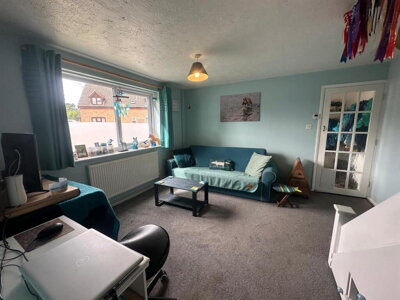
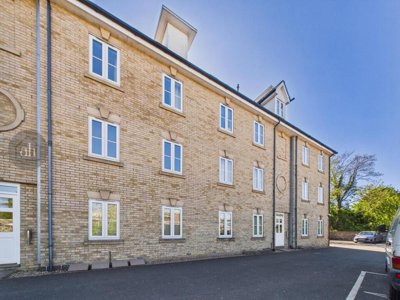
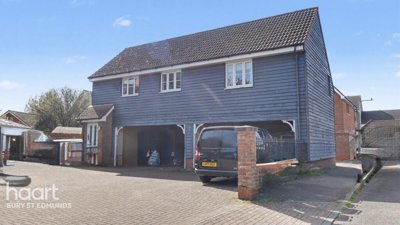
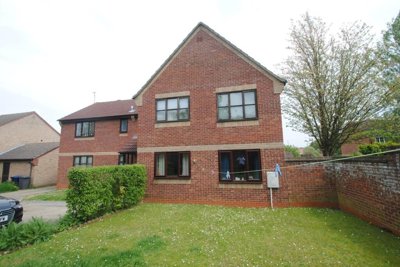
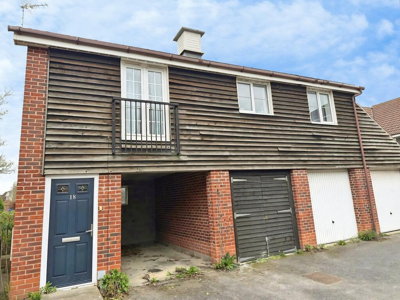
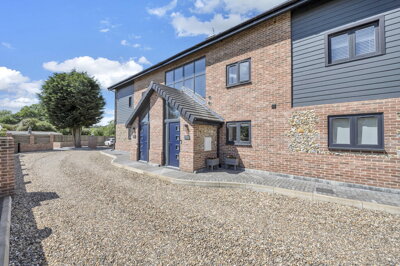
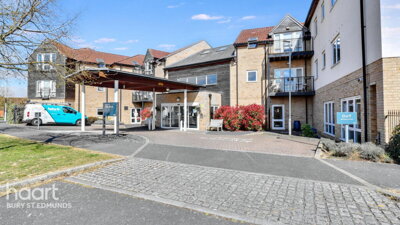
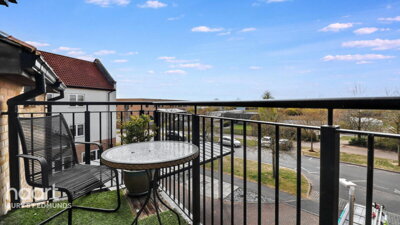
Browse 8 homes for sale in IP30 from local estate agents.
One bed apartments provide a separate bedroom alongside distinct living space, bathroom, and kitchen areas. Properties in IP30 are available in various building types including mansion blocks, contemporary developments, and house conversions.
£0k
0
0
0
Source: home.co.uk
Showing 0 results for 1 Bedroom Flats for sale in IP30.
IP30 shows the best of Suffolk’s rural housing landscape. Detached homes dominate the stock, making up 59% of all properties in the area, and homedata.co.uk property data puts the average price at £593,647. With their own gardens and parking, these larger houses suit families who want more room away from urban density, and the price tag reflects both the land values and the way of life on offer in this part of East Anglia.
By contrast, semi-detached homes account for 25% of the housing mix and give a more accessible route into the market, with average prices of around £263,760 depending on the source. They usually have two to three bedrooms and are a strong fit for first-time buyers and growing families looking to put down roots in this well-connected rural area. Terraced properties make up just 4% of the market, so when one comes up, competition can be fierce.
Prices have eased a little, with home.co.uk putting values 7% down on the previous year and 8% below the 2022 peak of £425,000. Property Solvers tells a different part of the story, reporting a modest recovery of 0.97% over the past 12 months, which suggests the market is settling after its correction. With only 193 sales recorded over the period, the picture is still a fairly thin one.
Flats are rare in IP30. They account for only a tiny slice of the housing stock, and homedata.co.uk records an average price of £467,500 for the few that have sold recently. That figure says more about limited supply than premium positioning, since most buyers here want the space and privacy that houses provide. The Hutch forecast for 2026 points to an average house price of £478,000, so modest growth still looks likely as the market finds its level.

£385,678
Average Price
59% of housing
Detached Properties
25% of housing
Semi-Detached Properties
193 properties
Annual Sales
+0.97%
12-Month Change
Around IP30, the villages sit in classic Suffolk countryside, with rolling farmland all around. Woolpit, Cockfield, Rattlesden, and Elmswell each bring a slightly different feel, but all keep the English village character that draws people to rural Suffolk in the first place. Expect gentle hills, winding lanes edged with hedgerows, and scenery that can make even a short drive feel like a country walk. Clay deposits, typical of Suffolk, sit beneath the area and have shaped the farming landscape, as well as the traditional building methods used here for centuries.
Village life tends to revolve around parish churches, pubs, local shops, and primary schools, the places where people bump into one another and catch up. The housing tells its own story too, from medieval timber-framed cottages to Victorian terraces and twentieth-century infill homes. Red brick and render are common, and clay roof tiles give many properties that familiar Suffolk look. It is an appealing mix, historic but still practical for modern living.
There is plenty for residents who like being outdoors, from walking routes to country lanes that work well for cycling. Bury St Edmunds is close enough to bring in the cultural draw and the day-to-day convenience. Families and settled couples are well represented, drawn by the slower pace, the good schools, and the sense of community that runs through village life in this part of Suffolk. And with Bury St Edmunds nearby, restaurants, a cinema, healthcare facilities, and major supermarkets are all within reach before you head back to the quiet of home.
The local economy around IP30 leans on agriculture, small businesses, and commuting to larger job centres. Many residents travel to Bury St Edmunds, Cambridge, or Ipswich, making use of the A14 corridor that links those towns. Home working has become far more common too, so people can enjoy rural living without giving up career options. That mix of countryside setting and workable connections is a big part of the area’s appeal.
Most properties in IP30 reflect the building traditions that have shaped Suffolk for centuries. Red brick is the main external material on many homes, and its warm colour comes from local East Anglian brick-making traditions. Historically, those bricks were fired in local yards and kilns, which is why the villages still share such a consistent look today.
Older homes, especially those built before the twentieth century, often make extensive use of timber framing. Inside, you may find beams exposed or hidden behind plaster. For buyers, that matters, because timber-framed construction needs a different maintenance approach from modern cavity-wall buildings. We check timber carefully in any survey, since rot and woodworm can weaken structural integrity if they are left alone.
Many external walls are finished in render and plaster, particularly on older properties where the brickwork has been protected from the weather. Lime-based renders let walls breathe, which is important for solid-wall construction, while modern cement renders can trap moisture and cause issues. We look closely at render condition as part of any property assessment, noting cracks, delamination, and signs of water getting in.
Clay tiles and slate are the main roofing materials across the IP30 villages, and traditional clay tiles can last for more than 100 years when they are well cared for. Lead flashing around chimneys and valleys needs regular attention, because deterioration there is a common cause of leaks in older roofs. We inspect the roof from inside and out, looking for slipped tiles, damaged flashing, and signs of earlier water ingress before you commit to buying.

Families are well served here. Primary schools sit within the villages themselves, while secondary options are usually reached by school transport or the family car. Woolpit Primary School serves Woolpit and the surrounding countryside, taking children from reception through to year six. These village primaries usually have good pupil-to-teacher ratios and the kind of close community involvement that parents often see as a real advantage of rural schooling.
For secondary education, students usually travel to nearby towns, with options such as Stowmarket High School, County Upper School in Bury St Edmunds, and a range of academy choices across the region. Anyone thinking about a move into IP30 should check current Ofsted ratings and admissions criteria directly with the schools or through the Suffolk County Council education portal, because school performance and catchment areas can change and may affect property values quite sharply in certain streets and villages.
Sixth form places are available at secondary schools in Bury St Edmunds and Stowmarket, and the University of Suffolk in Ipswich is within reasonable commuting distance for higher education. For families who place schooling near the top of the list, IP30 has plenty going for it, not least its closeness to Bury St Edmunds schools and the strong GCSE and A-level results often achieved by Suffolk’s grammar and academy schools. Independent schools in Bury St Edmunds and the surrounding area offer another path for families who prefer something outside the state system.
Catchment areas can change which homes appeal to which buyers, so families should check the boundaries for their intended school before making an offer. Properties within walking distance of a strong primary school often attract a premium, and being close to respected secondary schools can also shape long-term value. We suggest visiting schools on open days and speaking to current parents so you get a feel for the atmosphere before settling on a village or street.

Connectivity is better than many people expect in a rural Suffolk postcode. The A14 runs along the northern edge of the area, giving direct access to Cambridge to the northwest and Ipswich to the southeast. For villages such as Elmswell, that trunk road makes regular commuting to Cambridge a realistic option when work demands it.
From Bury St Edmunds and Stowmarket, rail services link to Cambridge, Ipswich, and onward to London Liverpool Street via Norwich. London can be reached in around two hours once rail travel and London Underground connections are combined, which keeps the IP30 area in play for occasional London commuters despite its rural feel. If you work in Bury St Edmunds itself, the town is easy to reach by car or on local bus services from the surrounding villages.
Bus services run by Suffolk’s public transport network connect the villages in IP30 to market towns and service centres, although the timetables are geared more towards convenience than peak-hour commuting. Cycling is popular on the quieter lanes, though the gently undulating Suffolk landscape does mean some routes need a decent level of fitness. Most households keep at least one car, and the generous driveways and garages found on many local properties reflect how car-dependent rural Suffolk life can be.
Remote workers are benefiting from improving broadband across Suffolk villages, which is making IP30 a more practical base for home working. Several villages now have access to superfast broadband, although coverage can still vary from one address to the next, even on the same street. We recommend checking the specific speed at any property you are considering, because it can make a real difference to working from home effectively.

Start with our platform if you want to see what is available in IP30 and get a feel for the local market. Detached homes average £479,000 and semi-detached properties come in at around £285,000, so knowing your budget helps narrow the search quickly. It is worth spending time in places like Woolpit, Cockfield, and Elmswell too, as each village has its own character and set of amenities.
We always suggest speaking to a mortgage broker before you start viewing properties. An agreement in principle strengthens your position when you make an offer and shows sellers that your finances have already been checked. Several mortgage brokers work across the Bury St Edmunds area and know the local property values well.
Estate agents listing homes in IP30 villages are a useful place to begin. View a few properties so you can compare condition, character, and value before deciding what suits you best. Keep an eye on age and construction type too, because those details have a big impact on maintenance needs and the costs that follow.
A RICS Level 2 HomeBuyer Report should come next. In rural Suffolk, where older houses are common, a professional survey can pick up damp, timber defects, and even possible subsidence linked to clay soils. We would recommend this survey for most properties in IP30, especially those over 50 years old.
Choose a solicitor with Suffolk property experience to deal with the legal work, searches, and contracts. They will work with your mortgage provider and the seller’s solicitor right through to completion. Local conveyancers who know village properties tend to recognise the usual issues that crop up in rural transactions.
Once the surveys are satisfactory and the legal queries have been sorted, contracts are exchanged and the deposit is paid. Completion usually follows within weeks, and then the keys to your new IP30 home are handed over.
Buying in IP30 calls for a close look at a few area-specific issues. The rural setting means many homes are older, and older Suffolk properties often use traditional construction methods that are very different from modern standards. Timber-framed structures, solid brick walls, and period features all need a different maintenance approach from newer buildings, so a detailed survey is vital if you want to understand their condition before you commit.
Flood risk matters here, especially with the network of rivers and streams that includes the River Rat and tributaries of the River Gipping. Homes in low-lying spots near watercourses can face fluvial or surface water flooding after heavy rain. Your survey should deal specifically with drainage and any record of flooding, and the seller should be asked to declare any known flood events or insurance claims connected to the property.
Several villages within IP30 have Conservation Areas, and homes in those designated zones face tighter planning controls on alterations, extensions, and even exterior paint colours. Listed Buildings, which are common across rural Suffolk, are protected by law and need special permission for almost any change. Buyers looking at older homes should check the status through local planning portals and understand that owning a listed building brings both privilege and serious maintenance responsibility.
Leasehold flats do appear in the area, although they form only a small part of the housing stock. Ground rent provisions need careful checking, because older leases can contain terms that feel unusual by modern standards. For houses, which make up most transactions, freehold ownership is the usual arrangement, but we always advise checking the tenure and any shared-access arrangements with neighbours before going ahead.
The clay beneath much of IP30 can create a risk of subsidence and heave, especially where mature trees stand close by. During any assessment, we look for movement, crack patterns, and the distance between large trees and the foundations. If a property has a history of subsidence, it may need specialist structural surveys and ongoing monitoring, and those costs should be reflected in the offer.
Buying costs in IP30 go beyond the purchase price itself. Stamp Duty Land Tax is usually the biggest extra expense for most buyers, and getting the calculation right means you know how much cash you need at completion. At the IP30 average of £385,678, a buyer who has previously owned property would pay stamp duty of approximately £6,784, worked out as 0% on £250,000 plus 5% on the remaining £135,678.
First-time buyers purchasing properties up to £425,000 pay no stamp duty at all under the current relief rules, which makes the IP30 market especially accessible for people taking that first step onto the ladder. Homes priced between £425,001 and £625,000 attract 5% on the amount above £425,000, so a first-time buyer purchasing at the average IP30 price would pay £0 because the property sits within the relief threshold. That is a sizeable saving compared with pricier regions where average values are beyond the limit.
Budgeting goes further than the headline price. Solicitor conveyancing fees usually sit between £500 and £1,500 depending on complexity, survey costs are often £350 to £600 for a RICS Level 2 HomeBuyer Report, mortgage arrangement fees can range from 0% to 1.5% of the loan amount, and removals may cost £500 to £2,000 depending on distance. Search fees, Land Registry fees, and mortgage valuation fees add smaller sums on top. We suggest setting a total budget that includes these costs before you begin searching, because forgetting them is a common source of stress later on.
Older homes in the IP30 area can also bring extra expenses, such as rewiring, boiler replacement, and work to deal with maintenance backlogs found during the survey. Properties over 50 years old often need electrical systems brought up to current standards, while heating in older houses can be inefficient or close to the end of its useful life. Setting aside a contingency fund equal to 10-15% of the purchase price gives you some breathing room if unexpected work appears after completion.
Average prices in IP30 sit at approximately £385,678 according to home.co.uk listings data, while homedata.co.uk puts the last 12 months at £389,662. Detached homes average £479,266, semi-detached properties around £285,000, and terraced homes roughly £245,000 to £253,000. Values have dipped a little from the 2022 peak of £420,786, but Property Solvers data shows a modest 0.97% rise over the past year, which points to a market that is starting to settle. The Hutch forecast for 2026 predicts an average price of £478,000, so modest growth still looks to be ahead.
Council tax in IP30 depends on the exact village, with properties falling under Babergh District Council, Mid Suffolk District Council, or West Suffolk Council. Bands run from A through to H and can be checked for any particular address on the relevant local authority website or by looking at the valuation list. Because the band affects annual council tax liability and is based on the property’s assessed value, it is something worth confirming before you finalise your budget.
For schooling, Woolpit Primary School is one of the main options within or near the IP30 postcode, alongside other village schools serving their local communities. Secondary pupils usually go to schools in Bury St Edmunds or Stowmarket, with County Upper School and Stowmarket High School among the choices. Parents should check the latest Ofsted ratings directly and understand the catchment boundaries, since those details can determine which schools a child is eligible for from a particular address.
Public transport is workable in IP30 if journeys are planned in advance. Bus services link the surrounding villages to Bury St Edmunds and Stowmarket, while rail from Bury St Edmunds station gives access to Cambridge and onward connections towards London. By car, the A14 trunk road is close by, putting Cambridge to the northwest and Ipswich to the southeast within reach. For most residents, private vehicles handle the daily routine, with buses mainly used for shopping trips and the odd commute rather than everyday rush-hour travel.
As an investment location, IP30 has solid fundamentals. The rural setting has strong lifestyle appeal, yet it still has reasonable links to major employment centres. Property values have held up well despite recent market adjustments, and the limited amount of new-build development in rural Suffolk helps existing homes retain their appeal. Buyers looking for countryside living within commuting distance of Cambridge and Ipswich keep demand healthy, while rental demand comes from professionals working locally or travelling into nearby towns.
For 2024-25, Stamp Duty Land Tax rates are 0% on the first £250,000 of property value, 5% on £250,001 to £925,000, 10% on £925,001 to £1.5 million, and 12% on anything above that threshold. First-time buyers get relief on the first £425,000, with 5% applying between £425,001 and £625,000. On a typical IP30 property at the average price of £385,678, a standard buyer would pay £6,784 in stamp duty, while a first-time buyer would pay £0 on the first £425,000 portion.
With rural stock and older buildings throughout IP30, common defects include damp in period homes with solid walls, timber rot in timber-framed buildings, and roof deterioration on older properties. Suffolk’s clay geology means subsidence from shrink-swell ground movement is possible, especially where mature trees are nearby. Electrical wiring and heating systems in pre-1980s homes often need upgrading, and many older houses would benefit from better insulation. A RICS Level 2 survey is strongly recommended so these issues can be spotted before purchase.
Several villages within the IP30 postcode, including Woolpit, Cockfield, and Rattlesden, have designated Conservation Areas with stricter planning controls on alterations and development. Homes in these areas need consent for changes that might be permitted elsewhere, including windows, doors, roof materials, and external paint colours. Buyers should check whether a property sits inside a conservation area through Mid Suffolk District Council or Babergh District Council planning portals, because those rules affect what you can and cannot change after completion.
From £350
Professional survey identifying defects in IP30 properties
From £499
Solicitors handling your IP30 property purchase
From 4.5%
Competitive mortgage rates for Suffolk buyers
From £60
Energy performance certificate for IP30 homes
Ready to find a home in the IP30 postcode area? Our platform brings together listings from every major estate agent working in this well-liked part of Suffolk. If you are after a character cottage in Woolpit, a modern family home in Elmswell, or a sizeable property with land near Cockfield, we can help you see what is currently on the market.
Use our search tools to sort properties by price, type, bedrooms, and location. Set alerts so you hear about new listings as soon as they appear, and save your favourite homes for a side-by-side look. Our team is here to answer questions about the IP30 property market and help you through the buying process from the first search right through to completion.

Properties for Sale In London

Properties for Sale In Plymouth

Properties for Sale In Liverpool

Properties for Sale In Glasgow

Properties for Sale In Sheffield

Properties for Sale In Edinburgh

Properties for Sale In Coventry

Properties for Sale In Bradford

Properties for Sale In Manchester

Properties for Sale In Birmingham

Properties for Sale In Bristol

Properties for Sale In Oxford

Properties for Sale In Leicester

Properties for Sale In Newcastle

Properties for Sale In Leeds

Properties for Sale In Southampton

Properties for Sale In Cardiff

Properties for Sale In Nottingham

Properties for Sale In Norwich

Properties for Sale In Brighton

Properties for Sale In Derby

Properties for Sale In Portsmouth

Properties for Sale In Northampton

Properties for Sale In Milton Keynes

Properties for Sale In Bournemouth

Properties for Sale In Bolton

Properties for Sale In Swansea

Properties for Sale In Swindon

Properties for Sale In Peterborough

Properties for Sale In Wolverhampton

Enter your details to see if this property is within your budget.
Loans, cards, car finance
Estimated property budget
Borrowing + deposit
You could borrow between
Typical borrowing
Monthly repayment
Est. at 4.5%
Loan-to-value
This is an estimate only. Your actual budget may vary depending on interest rates, credit history, and personal circumstances. For an accurate affordability assessment, speak to one of our free mortgage advisors.
This calculator provides estimates for illustrative purposes only and does not constitute financial advice. Your home may be repossessed if you do not keep up repayments on your mortgage. Estimates based on 4.5% interest rate, repayment mortgage. Actual rates depend on your circumstances.
Homemove is a trading name of HM Haus Group Ltd (Company No. 13873779, registered in England & Wales). Homemove Mortgages Ltd (Company No. 15947693) is an Appointed Representative of TMG Direct Limited, trading as TMG Mortgage Network, which is authorised and regulated by the Financial Conduct Authority (FRN 786245). Homemove Mortgages Ltd is entered on the FCA Register as an Appointed Representative (FRN 1022429). You can check registrations at NewRegister or by calling 0800 111 6768.

We use cookies to show you personalised content and improve your experience of our website. Find out more in our Privacy policy and Cookie policy.