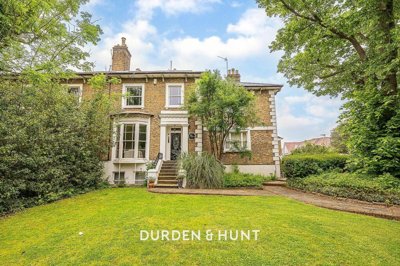
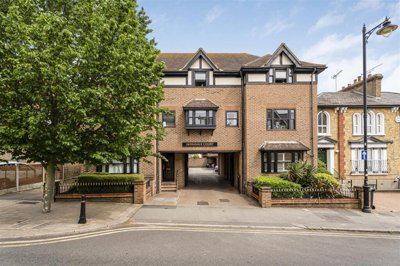
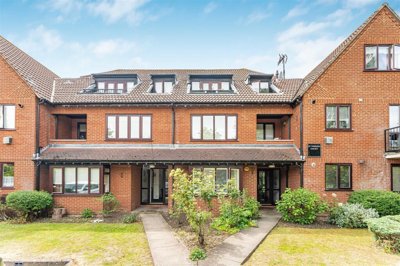
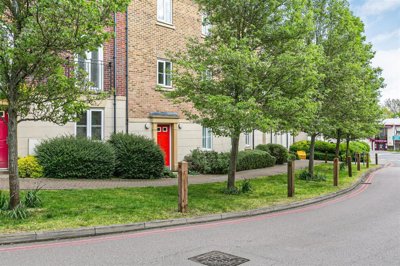
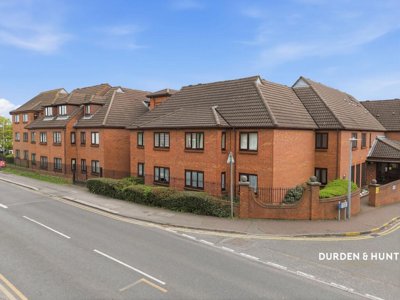
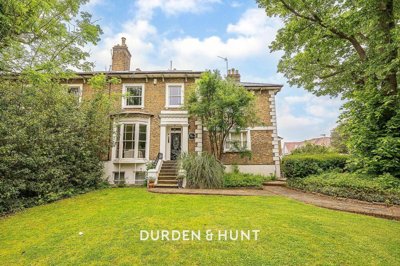
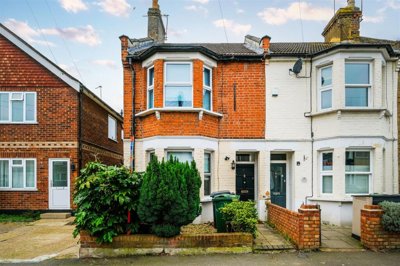
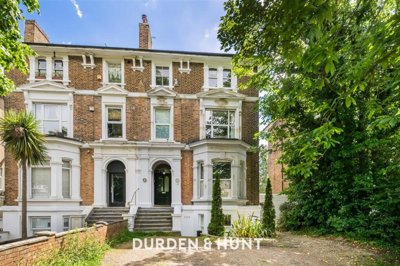
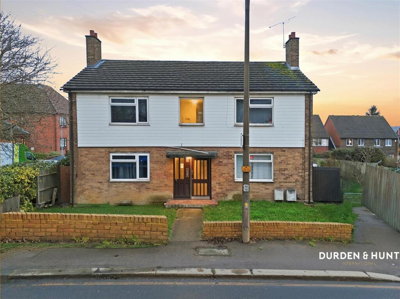
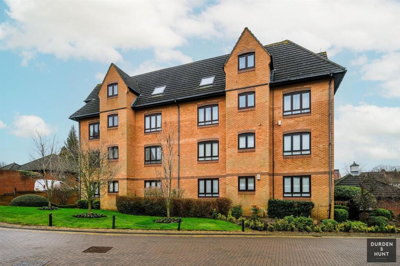
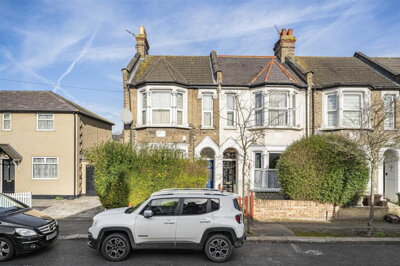
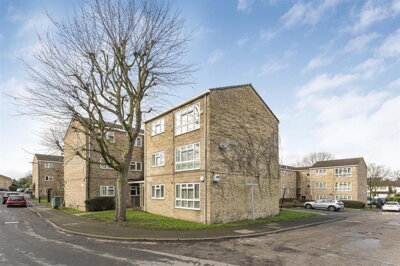
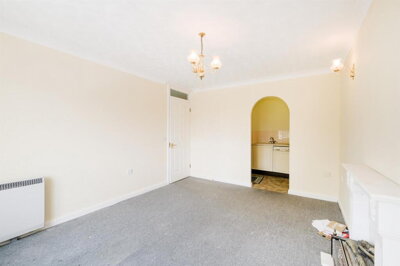
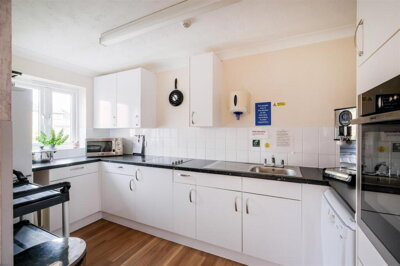
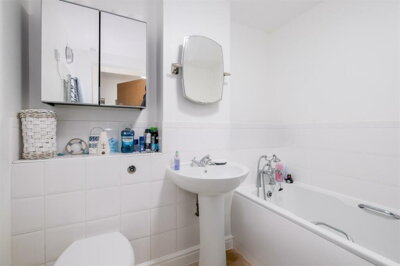
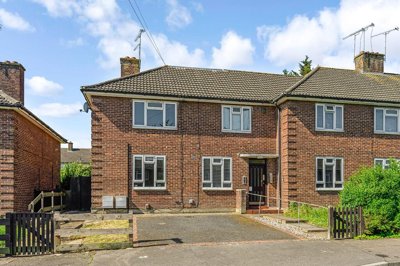
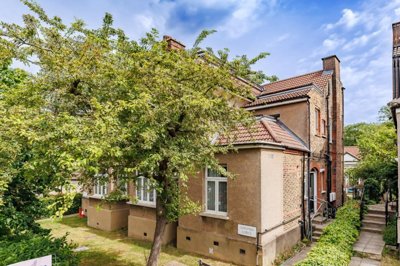
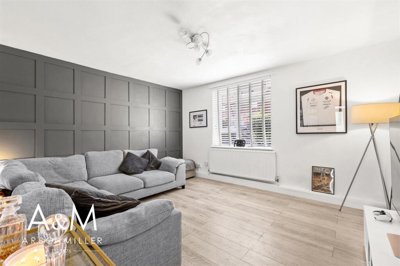
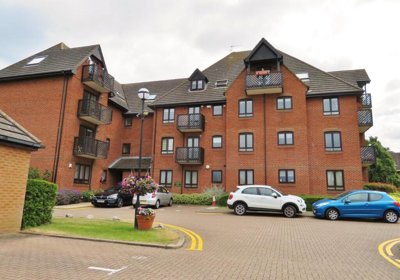
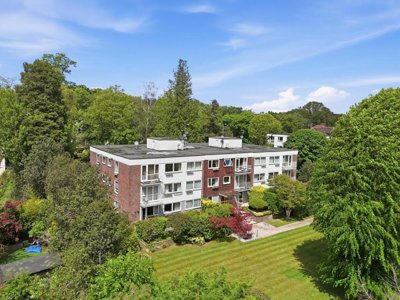
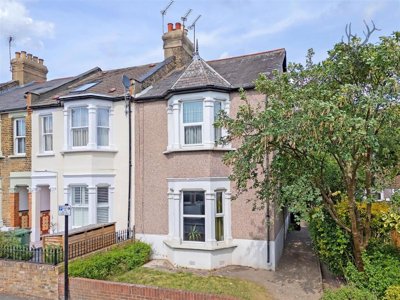
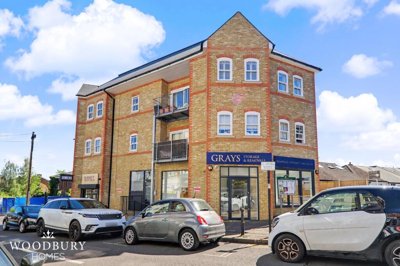
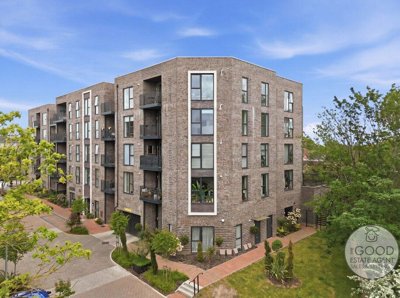
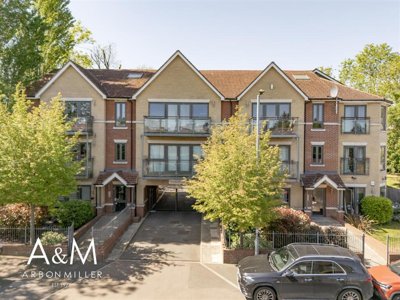
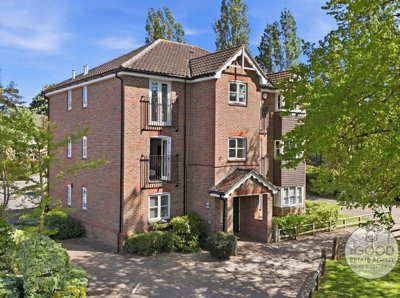
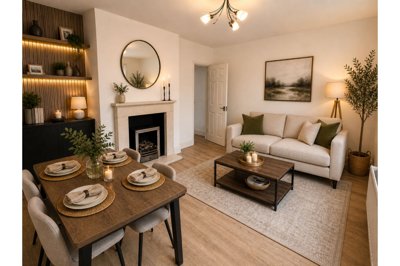
Browse 89 homes for sale in IG9 from local estate agents.
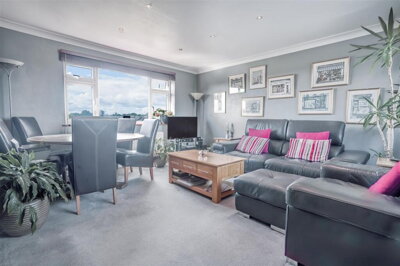
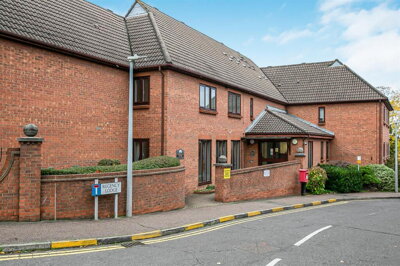
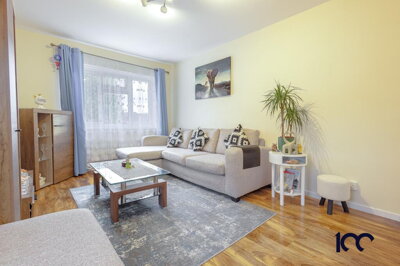
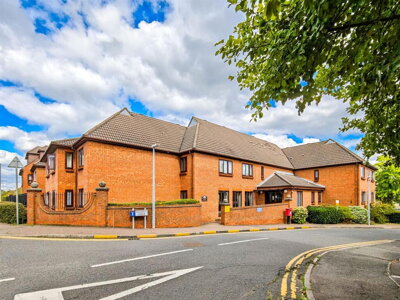
One bed apartments provide a separate bedroom alongside distinct living space, bathroom, and kitchen areas. Properties in IG9 are available in various building types including mansion blocks, contemporary developments, and house conversions.
£340k
5
0
52
Source: home.co.uk
Showing 5 results for 1 Bedroom Flats for sale in IG9. The median asking price is £340,000.
Source: home.co.uk
Flat
5 listings
Avg £294,500
Source: home.co.uk
Source: home.co.uk
Across IG9, the market has stayed fairly steady even with the recent national reset in prices. Overall values were down by approximately 2.71% in the twelve months to February 2026, a modest correction after a longer spell of growth, and one that has opened the door for buyers targeting this sought-after commuter belt location. Activity has not dried up either, with 181 property sales recorded over the past year, which points to healthy transaction levels despite wider economic uncertainty. We pull listings together from all local estate agents, so you can see the full IG9 property inventory in real time.
IG9 sits at the higher end of the Essex market, and local pricing reflects that. Detached houses achieve the strongest figures, averaging £1,311,800, while semi-detached homes, which make up 39.8% of the local housing stock, average £880,558. Terraced properties come in at £688,000, and flats and apartments begin at around £370,556, which gives first-time buyers and investors a more accessible route in. That spread means IG9 suits a broad range of budgets and buying plans. Before you start viewings, we suggest getting a mortgage agreement in principle from a lender, as it shows estate agents and sellers you are serious and gives you a firm budget. In IG9, prices can run from around £317,192 for flats to more than £1,311,800 for detached homes, so knowing your ceiling matters. A mortgage broker with Essex market knowledge can often help uncover competitive rates and relevant schemes. We also strongly recommend a RICS Level 2 Survey on any purchase because of IG9's London Clay geology and the number of older homes in the area. These surveys usually cost between £400 and £800 depending on property size, and they often flag subsidence risk, damp, roof defects, and ageing electrical systems that show up regularly in local stock. Our team works with qualified local surveyors who know the particular issues seen in IG9. For context, the average house price in IG9 in early 2026 is approximately £676,356, although values vary sharply by type, with detached homes averaging £1,311,800.
Recent movement by property type tells a more detailed story than the headline figures alone. Detached homes have been the steadiest, slipping by just 0.66% over the past year, which points to dependable demand from families focused on space. Semi-detached properties saw a larger correction of 3.83%, terraced homes fell 3.37%, and flats recorded the biggest adjustment at 3.98%. For buyers chasing value, that may put terraced houses and flats firmly on the shortlist. Detached homes, meanwhile, still command premium pricing because supply is limited and demand from downsizers and growing families remains strong.

Chigwell has the mix many London workers look for when they move out into Essex, more room, a stronger sense of place, and a smoother day-to-day rhythm. Its character comes from the way historic village features sit alongside modern residential development, so the neighbourhoods feel lived-in rather than newly assembled. In housing terms, you will find everything from Victorian and Edwardian homes in the older conservation areas to substantial inter-war semi-detached properties and newer contemporary schemes. Much of the local stock is built in brick, commonly red or brown, with pitched tiled roofs, which gives the area a recognisable look that buyers tend to respond to quickly.
IG9 is broadly affluent and family-focused, with many residents tied to professional work in London and nearby business districts. Along the High Road, there is a useful run of independent shops, restaurants, and cafes, while bigger shopping trips are easily covered by places such as Westfield Stratford. Open space is another part of the appeal, with local parks and surrounding countryside giving residents plenty of room to get outdoors. Community life feels established here as well. Local events, active societies, and strong facilities all help Chigwell hold its appeal, which is one reason values tend to stay firm even when the wider market shifts.
Two conservation areas sit within the IG9 postcode, Chigwell Village Conservation Area and Grange Hill Conservation Area. Homes in these protected parts of the postcode often include Victorian and Edwardian properties with the sort of details buyers actively seek out, decorative brickwork, original sash windows, and other period features that speak to traditional craftsmanship. There is another side to that status, though. External alterations will need planning permission from Epping Forest District Council, so anyone planning renovations should look closely at those limits before committing.
Outdoor space is one of IG9's strongest cards. The area lies on the edge of Epping Forest, with thousands of acres of woodland and heathland close at hand, and that changes how the place feels day to day. Families have local parks to use, and there are sports options too, including tennis clubs, golf courses, and facilities in nearby towns. For many buyers, that balance is the draw, countryside access without losing the convenience that comes with staying well connected to London.

For families moving into IG9, schools are usually high on the list, and the local choice is a solid one. Primary provision includes St. Mary's Catholic Primary School and Chigwell Primary School, both of which are well regarded in the area. Admissions criteria and catchment boundaries matter here, and they can have a real effect on both availability and values in particular streets. We often see families focus on specific postcodes for that reason, so it pays to check the detail early if you have children of primary school age.
At secondary level, IG9 and the surrounding area offer a good spread of options. Chigwell School is a long-established co-educational independent school founded in 1925, and there are also several well-regarded state secondary schools available through the admissions process. Educational choice is widened further by access to grammar schools in nearby places including Chelmsford and Buckhurst Hill. For older students, sixth form colleges and further education providers are easy enough to reach using the area's strong transport links.
That school network feeds directly into long-term demand for homes in IG9. Family buyers often pay a premium to secure properties within the catchment areas of highly rated schools, and even houses on opposite sides of the same admission boundary can see noticeable differences in value. Catchments are not fixed forever, though. We always suggest speaking to schools directly to confirm the current position, because application numbers and capacity can shift the picture from one year to the next.

One of the clearest advantages of IG9 is transport. Central Line services from nearby stations put the heart of London within easy reach, and the run into Liverpool Street is usually around 30 to 40 minutes. Grange Hill and Chigwell stations serve the IG9 area directly, which is a big reason City workers continue to look here. Bus routes add another layer of convenience, linking residents with neighbouring towns and shopping destinations.
Drivers are well placed too, with the M11 motorway close by for routes into London, Cambridge, and the wider motorway network. The M25 is also straightforward to reach, which helps with journeys in almost any direction. Parking depends on the exact location, some streets operate permit schemes, while many newer developments come with dedicated spaces. Cycling has become more practical in recent years as infrastructure has improved, and there are now dedicated routes linking residential areas with local stations and amenities.
Peak-time Central Line travel can be crowded, particularly during the morning and evening rush, so that is worth factoring in. Even so, the journey is relatively quick compared with many other outer London locations, and plenty of residents feel the trade-off is still a good one. Off-peak travel suits anyone with flexible hours, and hybrid working has made IG9 even more appealing. Many professionals no longer need to commute every day, but still want reliable London access when they do.

It is worth getting to know the different pockets of IG9 properly before deciding where to buy. Chigwell Village feels very different from the newer developments near the stations, and those differences show up in price, housing stock, and day-to-day atmosphere. Spend time comparing neighbourhoods against your budget and priorities. In a postcode with so many older properties, condition can vary sharply, even between houses that look near-identical from the outside and sit on the same street.
Before making offers, we recommend securing a mortgage agreement in principle from a lender. It shows sellers and estate agents that you are ready to proceed, and it gives you a clear budget to work within from the start. In IG9, flats can begin at around £300,000, while detached homes can reach over £1 million, so setting your upper limit early is sensible. A broker who knows the Essex market can often point you towards competitive products and any schemes that fit your circumstances.
Once your criteria are clear, we can help arrange viewings through our platform. Take proper notes while you are there, not just on condition and possible defects, but also on your immediate response to the house and the street around it. IG9 has plenty of older housing stock, and a careful inspection can uncover issues that are worth raising in negotiations. It is also useful to visit at different times of day, and ideally in different weather, so you can judge lighting, drainage, and background noise more accurately.
Because IG9 sits on London Clay and includes a significant number of older homes, we strongly advise a RICS Level 2 Survey on any purchase. Costs usually fall between £400 and £800 depending on size, and the survey will often identify issues that recur locally, including subsidence risk, damp, roof defects, and ageing electrical systems. Our team works with qualified surveyors who know IG9 well and understand the kinds of problems that tend to appear here.
Your solicitor deals with the legal side of the purchase, from searches and contracts through to Land Registry registration. In IG9, a conveyancer with Essex experience can be especially useful because they are more likely to spot local title issues or planning history points early on. Search fees will usually cover local authority searches, drainage and water searches, and environmental searches. Those checks matter, particularly where flood risk and ground conditions need proper attention.
After the surveys, searches, and legal work have all come back satisfactorily, you move to exchange contracts and pay your deposit. Completion usually follows within weeks, and that is the point at which you receive the keys to your new IG9 home. We always suggest putting buildings insurance in place from exchange, because that is when legal responsibility for the property passes to you.
Local geology is not a side issue in IG9, it is central to how we assess property risk. The London Clay beneath the area creates challenges that buyers may not encounter to the same degree elsewhere, especially because expansive clay can lead to subsidence and heave. That risk is higher where foundations are shallow or where large trees are close enough for root systems to draw moisture from the soil. During viewings, watch for cracked walls, uneven floors, and sticking doors or windows, as these can all point to movement. A RICS Level 2 Survey should look closely at those risks and set out any remedial works that may be needed.
Damp appears regularly in surveys across IG9, largely because so much of the housing stock is older. Victorian and Edwardian properties are particularly prone to rising damp, penetrating damp, and condensation-related issues where damp-proof courses are missing, compromised, or supported by poor ventilation. We advise checking that gutters and other rainwater goods are in sound order, and that external ground levels are not high enough to bridge the damp-proof course. There is also the question of asbestos-containing materials. Homes built before the 1980s may still contain them in forms such as artex coatings, insulation boards, and pipe lagging.
Flood risk is another area that deserves attention in IG9. The River Roding lies to the west, and lower-lying spots can also be affected by surface water flooding, so it is sensible to check the Environment Agency flood risk maps for any address you are considering. Where relevant, look into any flood resilience measures already put in place. Buyers planning alterations should also remember that homes in the Chigwell Village and Grange Hill conservation areas come with planning restrictions, which may limit what can be changed externally.
Even a tidy-looking house in IG9 can hide older building systems that need updating. Electrical installations, plumbing, and insulation all deserve scrutiny, particularly in homes built before the 1980s, where wiring may fall short of current standards. Properties built before the year 2000 may also contain asbestos-containing materials in different forms, so that point should not be overlooked. Consumer units in older homes often need replacing, and insulation levels can be well below what most buyers now expect. Knowing about those likely costs before exchange makes budgeting more realistic and can strengthen your position in negotiations if major works are required.

Construction style shapes both the feel of IG9 housing and the defects we tend to see. A large share of the local stock was built with traditional cavity wall construction, particularly from the inter-war period onwards, while Victorian and Edwardian homes in the conservation areas are more often solid wall buildings. Each method behaves differently and comes with its own maintenance demands. A RICS Level 2 Survey should assess those points in detail.
Older IG9 homes, especially those dating from before the 1960s, often have timber suspended floors. They can be a real asset visually and they help with under-floor ventilation, but they also need periodic checking for wet rot and woodworm. Beams and boards may already show signs of earlier treatment, though original untreated timber can still be vulnerable. Surveyors use specialist equipment to inspect concealed timbers as far as possible and will recommend treatment where it is needed.
Many IG9 properties still hold onto original features that buyers value highly, Victorian fireplaces, cornicing, architraves, and stained glass among them. In the conservation areas, those details are particularly prized because planning restrictions help preserve the architectural character that makes those streets distinctive. The presence of older features can also hint at ageing services behind the scenes, though. Original cast iron radiators, for example, may have suffered corrosion after decades of use.

As of early 2026, the average house price in IG9 stands at approximately £572,551. There is a wide spread by type, with detached homes averaging £979,067, semi-detached properties at £623,892, terraced houses around £513,995, and flats starting from approximately £309,692. Over the past twelve months, the market has seen a modest correction of around 2.71%. Even with that adjustment, IG9 remains a premium Essex postcode, and for some buyers the shift has created a better entry point.
Council tax in IG9 is administered by Epping Forest District Council, and the band depends on the value of the property. Many semi-detached family homes sit in bands D to F, while larger detached houses are often in bands F or G. Flats and smaller terraced homes commonly fall within bands B to D. If you want to verify the position on a specific address, the Valuation Office Agency website is the place to check.
Families looking at IG9 and the wider Chigwell area will find good educational choice across the board. At primary level, St. Mary's Catholic Primary School and Chigwell Primary School are both well known locally and have good reputations. Secondary options include Chigwell School, a notable independent school founded in 1925, alongside other choices in the surrounding area. Access to respected grammar schools in nearby locations and to further education colleges adds more flexibility. We always suggest checking current Ofsted ratings and admissions criteria for each school before making a move.
Travel links are one of the practical reasons IG9 remains so popular. Central Line services from Grange Hill and Chigwell stations reach London Liverpool Street in approximately 30 to 40 minutes, and for many residents both stations are within walking distance. Buses connect the area with nearby towns and shopping centres, while the M11 and M25 make regional road travel straightforward. That works particularly well for flexible workers, who can commute off-peak or work from home and still keep London within easy reach.
IG9 has long appealed to investors because capital growth has been strong over time and rental demand has held up well. The usual drivers are all here, Central Line access, sought-after schools, and the lifestyle pull that keeps both buyers and tenants interested. Recent price corrections may give investors a more favourable buying point without changing those underlying strengths. There is also potential in older stock that needs renovation, provided the buyer has the budget and skills to take it on. As ever, we would weigh up investment horizon, likely rental yield, and possible void periods before committing.
From April 2025 onwards, stamp duty land tax rates apply to all IG9 purchases on the same basis as elsewhere. For standard purchases, there is no SDLT on the first £250,000, then 5% on the portion from £250,001 to £925,000, 10% up to £1.5 million, and 12% above that threshold. First-time buyers get relief on the first £425,000, with 5% charged between £425,001 and £625,000. Rates and thresholds can change, so we would always confirm the latest position with HMRC or a financial adviser.
Yes, both Chigwell Village Conservation Area and Grange Hill Conservation Area are within the IG9 postcode. Owning a property in either area means working within planning restrictions that can affect extensions, external alterations, and even some maintenance works. Buyers who expect to renovate should look into those controls early, before they commit to a purchase. Our team can talk you through the sort of restrictions that usually apply.
Much of IG9 sits on London Clay, and that gives the area a moderate to high shrink-swell risk. As soil moisture rises and falls, often because of drought conditions or nearby tree roots, ground movement can develop and affect foundations. In practical terms, that may show up as cracks in walls, sticking doors or windows, or floors that are no longer level. Large trees close to the building deserve special attention. A RICS Level 2 Survey should consider foundation depth and note any signs of subsidence or heave that may need professional remediation.
Buying in IG9 involves more than the asking price, so it is important to budget for the full picture. Stamp duty, legal fees, survey charges, and moving costs all sit on top, and SDLT is often the largest extra. Under current thresholds, purchases below £250,000 attract no tax, but a standard buyer paying the IG9 semi-detached average of £623,892 would face approximately £18,695 in SDLT. First-time buyers may be able to use relief that lifts the zero-rate threshold to £425,000, which can reduce the bill significantly for those who qualify.
Conveyancing costs in the IG9 area usually run from £500 to £2,000, depending on how complex the transaction is and whether the property is freehold or leasehold. On top of that, there are search fees, Land Registry fees, and bank transfer charges, which can add several hundred pounds more. We would also budget for a RICS Level 2 Survey, especially given IG9's geology and older housing stock, and that normally costs between £400 and £800 depending on the size and type of property. Then come the practical moving costs, removals, redecoration, and any urgent works you want to tackle straight away.
If a property needs upgrading, build those works into your figures before you commit. In IG9, homes built before the 1980s often need electrical rewiring, plumbing improvements, and better insulation, all of which can push up initial costs quite quickly. Conservation area properties may involve extra expense as well, especially where specialist materials or contractors are needed to preserve the character of the building. Getting contractor quotes before you finalise the purchase can make the post-completion picture far clearer.
Properties for Sale In London

Properties for Sale In Plymouth

Properties for Sale In Liverpool

Properties for Sale In Glasgow

Properties for Sale In Sheffield

Properties for Sale In Edinburgh

Properties for Sale In Coventry

Properties for Sale In Bradford

Properties for Sale In Manchester

Properties for Sale In Birmingham

Properties for Sale In Bristol

Properties for Sale In Oxford

Properties for Sale In Leicester

Properties for Sale In Newcastle

Properties for Sale In Leeds

Properties for Sale In Southampton

Properties for Sale In Cardiff

Properties for Sale In Nottingham

Properties for Sale In Norwich

Properties for Sale In Brighton

Properties for Sale In Derby

Properties for Sale In Portsmouth

Properties for Sale In Northampton

Properties for Sale In Milton Keynes

Properties for Sale In Bournemouth

Properties for Sale In Bolton

Properties for Sale In Swansea

Properties for Sale In Swindon

Properties for Sale In Peterborough

Properties for Sale In Wolverhampton

Enter your details to see if this property is within your budget.
Loans, cards, car finance
Estimated property budget
Borrowing + deposit
You could borrow between
Typical borrowing
Monthly repayment
Est. at 4.5%
Loan-to-value
This is an estimate only. Your actual budget may vary depending on interest rates, credit history, and personal circumstances. For an accurate affordability assessment, speak to one of our free mortgage advisors.
This calculator provides estimates for illustrative purposes only and does not constitute financial advice. Your home may be repossessed if you do not keep up repayments on your mortgage. Estimates based on 4.5% interest rate, repayment mortgage. Actual rates depend on your circumstances.
Homemove is a trading name of HM Haus Group Ltd (Company No. 13873779, registered in England & Wales). Homemove Mortgages Ltd (Company No. 15947693) is an Appointed Representative of TMG Direct Limited, trading as TMG Mortgage Network, which is authorised and regulated by the Financial Conduct Authority (FRN 786245). Homemove Mortgages Ltd is entered on the FCA Register as an Appointed Representative (FRN 1022429). You can check registrations at NewRegister or by calling 0800 111 6768.

We use cookies to show you personalised content and improve your experience of our website. Find out more in our Privacy policy and Cookie policy.