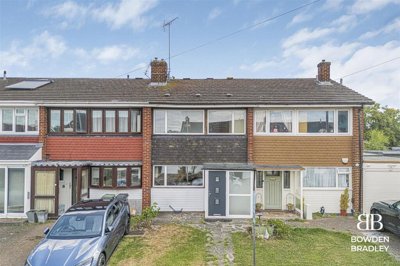
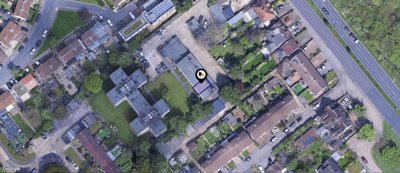
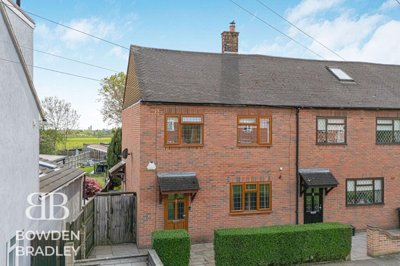
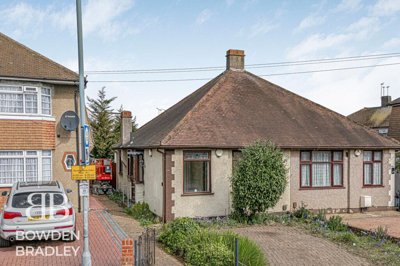
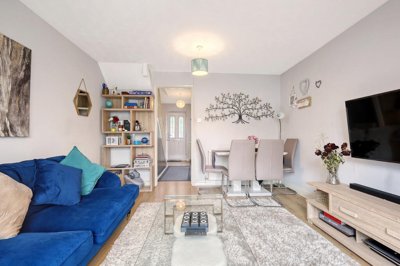
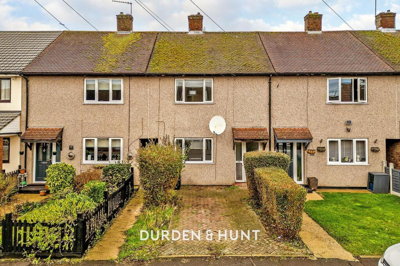
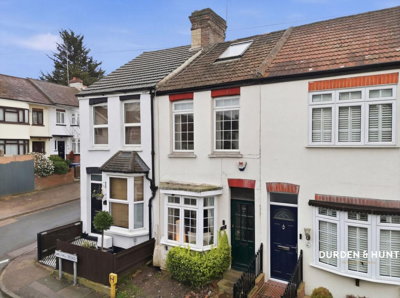
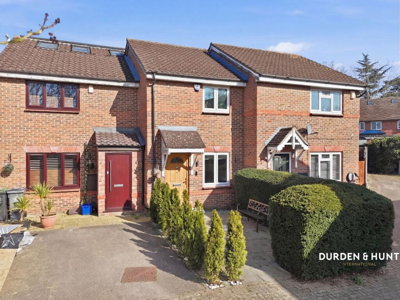
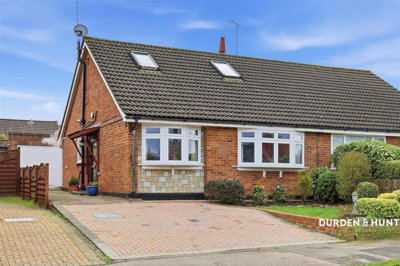
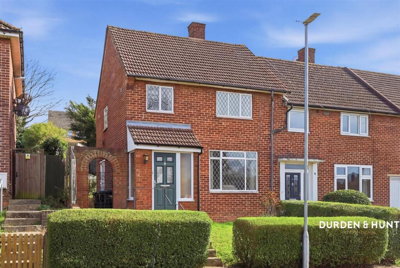
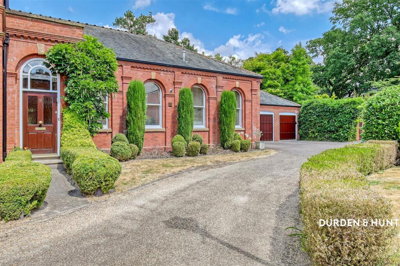
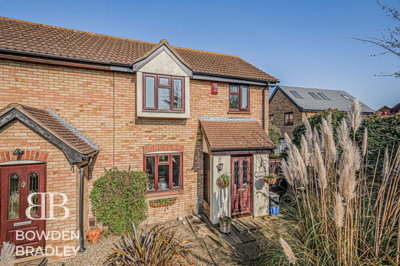
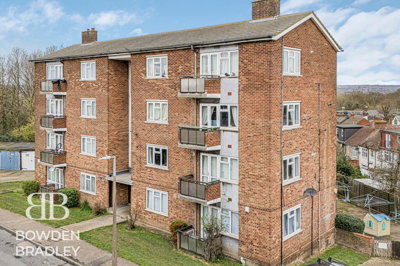
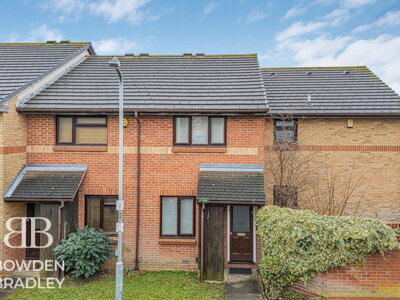
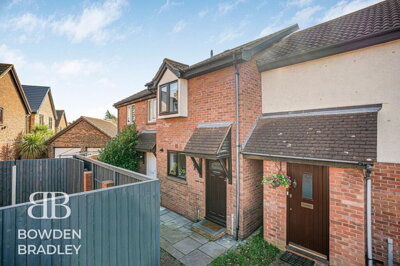
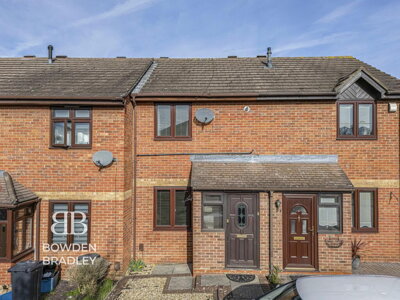
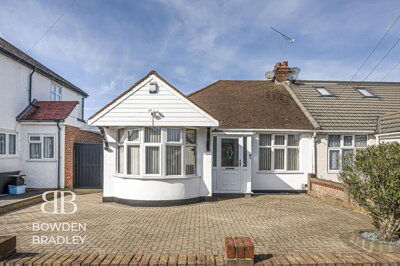
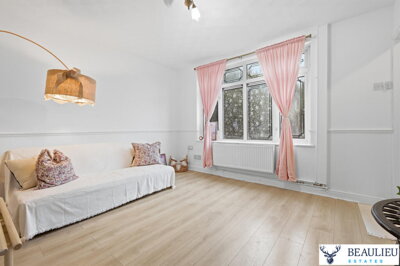
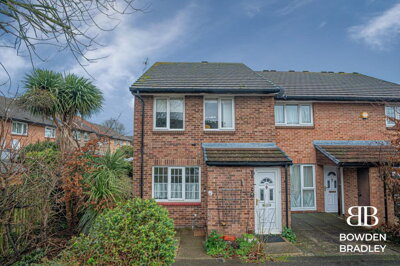
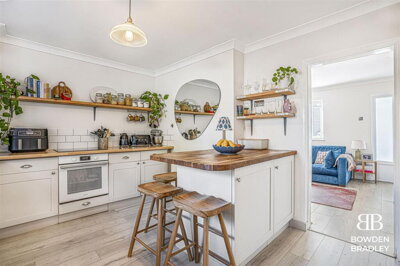
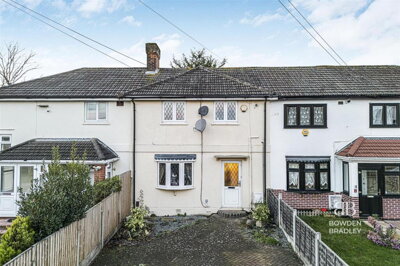
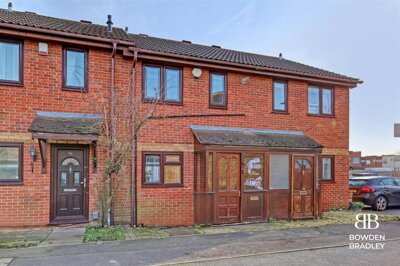
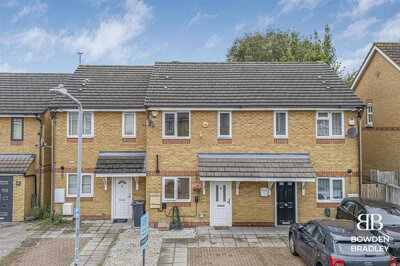
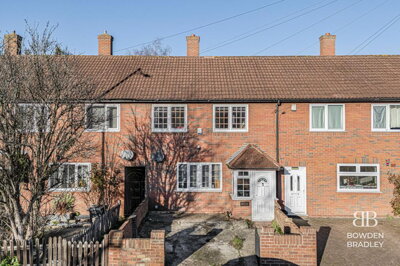
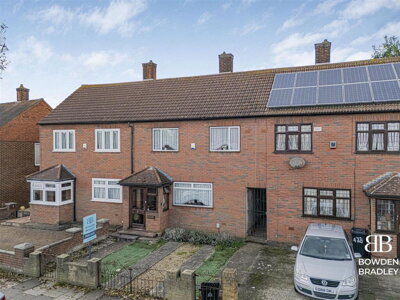
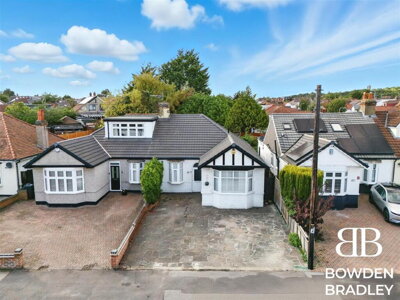
Browse 139 homes for sale in IG7 from local estate agents.
The 2 bed house market features detached, semi-detached, and terraced properties with two separate bedrooms plus living spaces. Properties in IG7 range from Victorian and Edwardian period homes to modern new builds, with pricing varying across different neighbourhoods.
£400k
5
0
51
Source: home.co.uk
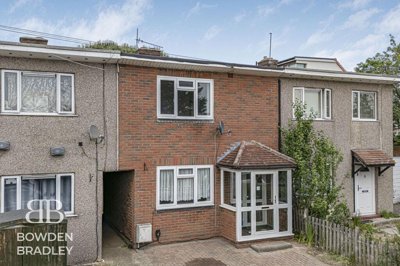
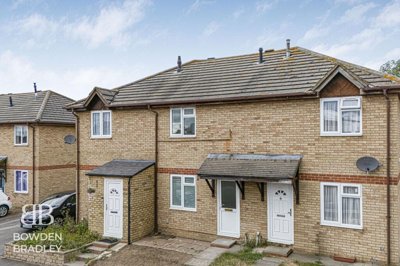
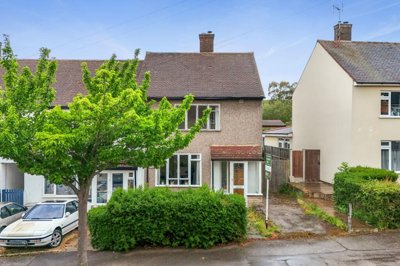
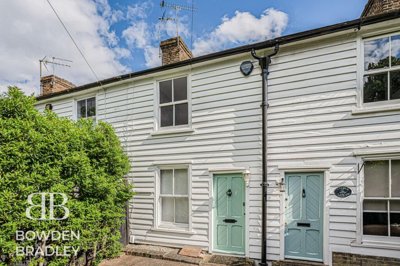
Showing 5 results for 2 Bedroom Houses for sale in IG7. The median asking price is £400,000.
Source: home.co.uk
Terraced
4 listings
Avg £406,250
Semi-Detached
1 listings
Avg £500,000
Source: home.co.uk
Source: home.co.uk
IG7 has held up well despite wider national swings, with 129 property sales completing in the last 12 months. House prices in IG7 have fallen by 1.1% over the past year, which opens up a useful buying window for people stepping onto the ladder or moving up it. Semi-detached and terraced homes dominate, a clear echo of the inter-war and post-war suburban growth that shaped much of this area during the 1930s to 1960s. Detached homes sit at the top of the market at an average of £1,008,125, while flats remain the most accessible route in, at around £316,000.
Across IG7, property styles are mixed, though traditional brick builds with pitched tiled roofs are the usual sight. Around Chigwell High Road, and in the older parts of Chigwell Village, many homes date from before 1919, giving the streets real period character and a sense of history. Post-1980 developments have added a more contemporary layer to the housing stock, so buyers can choose between old and new without leaving the postcode. Our listings cover everything from compact starter homes to sizeable family houses, so there is plenty of ground in this sought-after area.
IG7 has grown in layers, and the housing stock shows it. Victorian and Edwardian homes in the established parts of Chigwell Village tend to have larger rooms, higher ceilings and original details that suit buyers looking for period charm. Many residential streets are lined with inter-war semi-detached houses from the 1930s, practical homes with gardens at the front and back. Post-war building in the 1950s and 1960s brought more choice again, and some properties include more modern methods, including cavity wall insulation where it has been added retrospectively.

£597,940
Average Price
-1.1%
12-Month Price Change
129
Properties Sold (12 months)
£1,008,125
Detached Average
£629,333
Semi-Detached Average
£492,000
Terraced Average
£316,000
Flat Average
Knowing how homes in IG7 were built gives buyers a better feel for upkeep and long-term maintenance. Red brick is especially common here, and traditional brick construction has been used from the Victorian era right through to the present day. Pitched tiled roofs are standard across IG7, with many properties using clay or concrete tiles that usually last 50 to 80 years before they need replacing. The age of the stock also means timber roof structures are widespread, so periodic inspection for decay or pest infestation is sensible.
Homes built before the 1930s often have solid brick walls without cavity insulation, which makes them more exposed to penetrating damp and less thermally efficient than newer builds. They also often rely on timber floor joists rather than concrete slabs, so the condition of those structural elements matters when a property is being assessed. By contrast, many inter-war and post-war homes in IG7 were built with cavity walls, where two brick leaves are separated by an air gap that can be insulated for better energy performance. Earlier construction did not commonly include cavity wall insulation, so whether it is present or not can affect comfort and energy bills.
Foundation design in IG7 changes quite a bit with the age and scale of the property. Much of the area sits on London Clay, so foundations need to run deep enough to cope with the shrink-swell movement that happens as the clay moisture content shifts through the seasons. Older homes, especially those put up before modern building regulations, may have relatively shallow strip foundations, leaving them more exposed to movement after long dry spells or periods of heavy rain. A detailed survey can pick up signs of past movement, including cracking patterns, misaligned doors and windows, and evidence of underpinning work already carried out.
Covering a sizeable part of IG7, the Chigwell ward is home to approximately 12,900 residents across around 4,700 households, which gives the area a close suburban feel. It sits on the edge between London and Essex, so residents get both metropolitan links and county character. Tree-lined streets, generous gardens and a mix of architectural styles define the neighbourhood, reflecting its development from Victorian times through to the present day. Along Chigwell High Road, independent shops, cafes and restaurants sit alongside larger retail options at nearby shopping centres.
Green space is one of IG7’s big draws. Epping Forest, one of London’s largest and most ancient woodlands, sits close by and opens up plenty of scope for walking, cycling, horse riding and general outdoor recreation. The forest covers over 2,400 acres and is a protected area of special scientific interest, giving residents direct access to natural space for weekday exercise and weekend downtime. Several local parks and green spaces add to that appeal, which suits families and keen walkers alike. Community life in Chigwell is helped along by local events, decent pub options, and a good spread of sports clubs and societies.
Neighbourhood character shifts quite sharply across IG7. Chigwell Village brings historic charm, with listed buildings and conservation areas, while the more modern residential developments around Hainault have a different feel altogether. Chigwell High Road acts as the main commercial strip, with independent retailers, restaurants and professional services meeting day-to-day needs. The area also benefits from the presence of independent schools that have helped establish Chigwell’s reputation as an educational destination, drawing families from across greater London and Essex who value schools, green space and transport links in one place.

For families, education is a major reason to look at IG7. The area is served by a range of well-regarded primary and secondary schools. At primary level, Chigwell Primary School serves the local community and has a strong reputation for academic achievement and pastoral care, while St. John Fisher Catholic Primary School is another nearby choice for families wanting a faith-based education. Catchment areas typically extend across much of the IG7 postcode, though boundaries are competitive in this desirable part of the market, where school admissions can have a big effect on property demand.
Secondary schooling around IG7 is strong too. Chigwell School, a historic independent school established in 1622, sits in a prominent position near Chigwell High Road and attracts pupils from across the region. The London Borough of Redbridge has good state secondary schools with strong GCSE results, and the grammar schools in the area draw pupils from across east London through the selective admissions process. For sixth form and further education, students can look to colleges in nearby Ilford and Loughton, which gives families clear progression routes. Quality schooling has a direct effect on values here, and homes in good catchment areas often sell at a premium.
Parents looking at schools in IG7 should keep admissions rules in mind, as they can be complex. Distance, sibling connections and faith-based selection all come into play where relevant. Popular schools often have more applicants than places, so buyers with school-age children need to check that a property sits within the right catchment area before they commit. Private tutoring and additional educational support services are easy to find locally, which reflects the strong academic culture in this part of east London and west Essex.
Transport is one of IG7’s strongest selling points. The Central Line gives fast and regular services into central London from nearby stations. Hainault tube station lies within the IG7 postcode and offers direct links to the City, the West End and Canary Wharf, with Liverpool Street taking approximately 35 minutes. Chigwell station also serves the area, adding another Underground option for residents. That makes IG7 especially appealing to commuters heading into the City, financial services or other central London employment hubs.
By road, IG7 is well placed too. The M11 is easy to reach and links directly to the M25, Stansted Airport and Cambridge to the north. That location means residents can get to Stansted Airport in approximately 35 minutes by car, which works well for regular flyers and anyone expecting frequent visitors. Bus services run by Transport for London link IG7 with surrounding neighbourhoods, including direct routes to Ilford, Romford and Woodford Green, so there are public transport alternatives for local journeys as well.
Cycling has become easier in recent years, thanks to designated routes linking residential streets with local centres and stations. Much of IG7 is fairly flat, so cycling works for commuters at different fitness levels, and secure cycle parking is available at both Hainault and Chigwell stations for those combining bike and rail travel. Parking depends very much on the road and the development. Some streets have resident permit schemes, while newer schemes often include allocated spaces. Anyone buying here should check the parking set-up for a specific property, because day-to-day life can be affected by it even in an area where car ownership is still common.

Before viewing homes in IG7, we recommend speaking to mortgage lenders or brokers and arranging an Agreement in Principle. Sellers take this seriously, and it also puts buyers in a stronger position when they are ready to make an offer. Typical IG7 properties range between £316,000 and over £1 million, so knowing your borrowing limit makes the search much more focused. Our mortgage comparison tool can help you look at competitive rates for your circumstances, and a broker who knows the IG7 market can be especially useful given the spread of property types and values here.
Homemove lets us keep track of all available properties in IG7, and we can set alerts for new listings that match the brief. It helps to know how prices for different property types compare with the overall average of £597,940, because that makes it easier to judge whether an asking price is fair and act quickly when something suitable appears. We also look at how long homes have been on the market, since that can point to room for negotiation, and we compare similar properties recently sold to get a clearer view of true value in a postcode where prices have fallen by 1.1% over the past year.
Seeing more than one property in person is still the best way to compare condition, location and value across the different streets and developments in IG7. It pays to look closely at the age of the home, any signs of damp or structural movement, and how close it sits to schools, transport and local amenities. A house in Chigwell Village may have plenty of period character but need more maintenance than a newer build, while a home in Hainault might offer better value but a different commute depending on its distance from the tube station. Our detailed listings include photos and floor plans, which makes shortlisting much easier before physical viewings begin.
After finding the right home, the next step is to submit an offer through the estate agent. Buyers should be ready to negotiate on price or terms, depending on survey findings or market conditions. In a competitive IG7 market, having finances agreed in principle gives you a real edge over other buyers, particularly for homes in good school catchments or close to transport links. It also helps to understand the local market context, including recent sales of comparable properties, because that makes it easier to put forward a realistic offer that gets the seller’s attention.
Before contracts are exchanged, we advise arranging a RICS Level 2 Survey so the property’s condition can be properly assessed. With so many IG7 homes built on London Clay, this check is important for spotting subsidence, heave or other structural concerns that can affect properties in the area. Survey costs in IG7 usually sit between £400 and £700, depending on size and value, and a surveyor who knows local construction methods and common defects will be better placed to carry out a thorough assessment. For older homes or properties in conservation areas, a more detailed RICS Level 3 Survey may be the better fit.
A conveyancing solicitor will handle the legal transfer of ownership for an IG7 property, including local searches, contracts and land registry checks. Those searches should cover the local authority planning records, which can show permissions or enforcement action affecting the home, as well as environmental searches that look at flood risk and ground conditions. On completion day, the keys to the new IG7 home are handed over and the settling in can begin, whether that is a period property in Chigwell Village or a modern home near Hainault station.
IG7’s geology brings its own considerations. London Clay lies beneath much of the area, so there is a shrink-swell risk for foundations as the clay expands and contracts with changes in moisture. Properties built before modern foundation standards can be prone to subsidence or heave in prolonged dry or wet periods, which is why a detailed survey matters before anyone commits to a purchase. Cracks in walls, doors or windows that stick, and any sign of underpinning or foundation repair are all worth noting. Getting to grips with the foundations and any past structural issues helps with budgeting and gives buyers more confidence in what they are buying.
Flood risk is not the same everywhere in IG7. Areas near the River Roding and its tributaries are more exposed to surface water flooding during heavy rainfall. The Environment Agency provides detailed flood risk maps, and prospective buyers should check them carefully, especially for homes in low-lying spots or close to watercourses. Major flooding events are not common, but understanding the risk for a specific property helps with decision-making and insurance cover. Drainage in some of the older parts of IG7 may also be less reliable than in newer developments, so a look at any history of flooding or drainage problems is wise.
Chigwell Village Conservation Area and other designated areas bring planning restrictions that protect the historic character of these neighbourhoods. For anyone thinking about a property in a conservation area, significant works may need consent from Redbridge Council planning department. Listed buildings, including some historic houses and churches along Chigwell High Road, are under extra controls that affect what can be done without Listed Building Consent. Those limits can narrow renovation options and affect future resale value, so it is sensible to understand the implications before buying.
For flat buyers in IG7, the lease needs close attention before any commitment is made. Many flats in the area still have 99 or 125-year terms remaining, and shorter leases can affect mortgageability and resale value. Service charges and ground rent should be looked at carefully, because these ongoing costs can be significant and may cover building maintenance, insurance and communal area upkeep. Freehold houses usually offer simpler ownership, with no ground rent or service charge obligations, which is why many buyers prefer them in this postcode. Some newer developments, though, come with shared freehold arrangements that combine aspects of both tenure types.
The average property price in IG7 is currently £597,940 according to recent home.co.uk market data. Detached homes command the highest prices at around £1,008,125, while semi-detached homes average £629,333 and terraced properties are around £492,000. Flats remain the most accessible entry point at approximately £316,000. Prices have dropped by 1.1% over the past 12 months, which may open up useful buying opportunities for anyone looking to enter the market while negotiating power is a little stronger than in a rising market.
IG7 falls within the London Borough of Redbridge council tax system, so properties are banded from A through to H according to assessed value. Most terraced houses and smaller semi-detached homes in the area tend to sit in bands B to D, while larger detached homes and properties in more premium locations can fall into bands E through H. Buyers should check the band for any property they are considering, because council tax is a major part of annual homeownership costs and can add between £1,500 and £3,000 a year depending on the band.
Education in IG7 is strong, with Chigwell Primary School and St. John Fisher Catholic Primary School serving the primary stage, and secondary options including the historic Chigwell School in the independent sector, which has educated students since 1622. State secondary schools across the wider Redbridge area have solid academic records, and the borough’s grammar schools, including Ilford County High School, draw pupils from across east London through competitive entrance examinations. Families should check admissions criteria and catchment areas carefully, because both can be highly competitive in popular places like Chigwell where family demand for homes stays consistently strong.
Public transport in IG7 is excellent, with the Central Line at Hainault station giving direct services to central London in approximately 35 minutes to Liverpool Street. Chigwell station also serves the area on the Central Line, and bus routes connect the postcode with nearby places including Ilford, Romford and Woodford Green. For drivers, the M11 is close at hand and links to the M25, Stansted Airport in approximately 35 minutes, and destinations north of London. That mix of Underground and road access makes IG7 particularly appealing to commuters who want flexibility over how they travel to work.
IG7 has solid investment appeal thanks to its suburban feel, strong Central Line links and close access to employment centres in central London and the City. The area suits commuters who want more space for their money than they would get in central London postcodes, and respected schools make it attractive to families who may stay put for years. Property values have been relatively steady, and rental demand remains consistent because of the connectivity and local amenities. With 129 property sales completing in the past year, the market is active. As with any investment, buyers should study specific streets and property types within IG7 to get the best from it.
For 2024-25, Stamp Duty Land Tax is 0% on the first £250,000 of property value, 5% on the portion from £250,001 to £925,000, 10% on £925,001 to £1.5 million, and 12% on anything above £1.5 million. First-time buyers get relief on the first £425,000, then pay 5% on the portion from £425,001 to £625,000. On a typical IG7 property priced at £597,940, a first-time buyer would pay approximately £8,647 in stamp duty, while a buyer who has owned before would pay £17,397. These costs need to sit alongside deposit, survey fees and legal costs in the overall budget.
Because much of IG7 sits on London Clay, homes in the area can be prone to subsidence or heave, which may show up as cracks in walls, doors or windows that stick, or uneven floors. Older properties, especially those built before the 1930s with solid walls, often suffer damp problems such as rising damp or penetrating damp through deteriorated brickwork. Roof faults, including slipped tiles, worn felt and failing lead flashing, are common in homes with pitched roofs over 50 years old. Outdated electrical wiring that no longer meets current safety standards is another issue that turns up in older IG7 properties. A thorough RICS Level 2 Survey will pick up these and other defects before a buyer commits.
Parts of IG7 sit within Chigwell Village Conservation Area, which places planning restrictions on alterations, extensions and external changes in order to protect the historic character of the area. Listed buildings are found across Chigwell too, particularly around Chigwell High Road, including historic houses and churches that are protected for their architectural and historical importance. Homes in conservation areas or listed buildings may need extra permissions for renovation work, which can limit what changes are possible and add cost and complexity to any project. If you are thinking about such a property, those restrictions should be part of the decision, along with the likelihood of higher renovation costs.
Competitive mortgage rates for IG7 properties
From 4.5%
Legal services for your IG7 purchase
From £499
Essential survey for IG7 properties on London Clay
From £400
Energy performance certificate
From £85
Buyers should budget for several extra costs as well as the purchase price when buying in IG7. Stamp Duty Land Tax is the biggest upfront charge, with standard rates applying to purchases above £250,000. On a median-priced IG7 property of £597,940, a home buyer who has previously owned property would pay approximately £17,397 in stamp duty. First-time buyers benefit from higher thresholds, bringing that down to around £8,647, which makes the area more reachable for those taking their first step onto the property ladder.
Survey fees are a key part of the buying process, especially in IG7 where London Clay means homes may face subsidence or heave issues. A RICS Level 2 Survey usually costs between £400 and £700 here, depending on size and value. For larger detached homes or older properties that need a closer look, a RICS Level 3 Survey may cost more but gives more detailed analysis of construction and condition. Conveyancing fees for legal work, including local searches, title checks and contract preparation, generally start from around £499 for straightforward transactions, though they can be higher for leasehold properties or homes with complex title issues.
There are other costs too, including mortgage arrangement fees, which vary by lender but usually range from £0 to £2,000 depending on the deal selected, and removal costs on moving day. Buildings insurance should be in place from exchange of contracts, and contents insurance is sensible from day one in the new home. Putting aside approximately 3-5% of the property price for these extra expenses means you are financially ready for an IG7 purchase. Our buying costs calculator can help estimate the total based on the property and the circumstances, so there are no unexpected surprises as completion gets closer.

Properties for Sale In London

Properties for Sale In Plymouth

Properties for Sale In Liverpool

Properties for Sale In Glasgow

Properties for Sale In Sheffield

Properties for Sale In Edinburgh

Properties for Sale In Coventry

Properties for Sale In Bradford

Properties for Sale In Manchester

Properties for Sale In Birmingham

Properties for Sale In Bristol

Properties for Sale In Oxford

Properties for Sale In Leicester

Properties for Sale In Newcastle

Properties for Sale In Leeds

Properties for Sale In Southampton

Properties for Sale In Cardiff

Properties for Sale In Nottingham

Properties for Sale In Norwich

Properties for Sale In Brighton

Properties for Sale In Derby

Properties for Sale In Portsmouth

Properties for Sale In Northampton

Properties for Sale In Milton Keynes

Properties for Sale In Bournemouth

Properties for Sale In Bolton

Properties for Sale In Swansea

Properties for Sale In Swindon

Properties for Sale In Peterborough

Properties for Sale In Wolverhampton

Enter your details to see if this property is within your budget.
Loans, cards, car finance
Estimated property budget
Borrowing + deposit
You could borrow between
Typical borrowing
Monthly repayment
Est. at 4.5%
Loan-to-value
This is an estimate only. Your actual budget may vary depending on interest rates, credit history, and personal circumstances. For an accurate affordability assessment, speak to one of our free mortgage advisors.
This calculator provides estimates for illustrative purposes only and does not constitute financial advice. Your home may be repossessed if you do not keep up repayments on your mortgage. Estimates based on 4.5% interest rate, repayment mortgage. Actual rates depend on your circumstances.
Homemove is a trading name of HM Haus Group Ltd (Company No. 13873779, registered in England & Wales). Homemove Mortgages Ltd (Company No. 15947693) is an Appointed Representative of TMG Direct Limited, trading as TMG Mortgage Network, which is authorised and regulated by the Financial Conduct Authority (FRN 786245). Homemove Mortgages Ltd is entered on the FCA Register as an Appointed Representative (FRN 1022429). You can check registrations at NewRegister or by calling 0800 111 6768.

We use cookies to show you personalised content and improve your experience of our website. Find out more in our Privacy policy and Cookie policy.