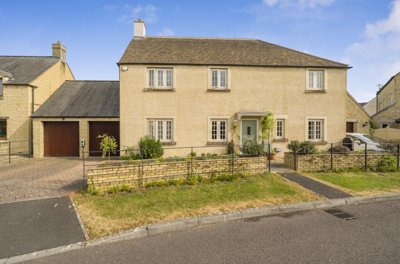
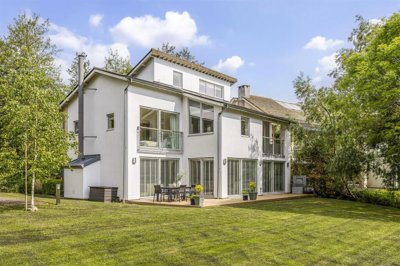
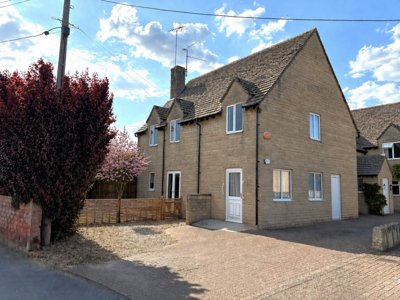
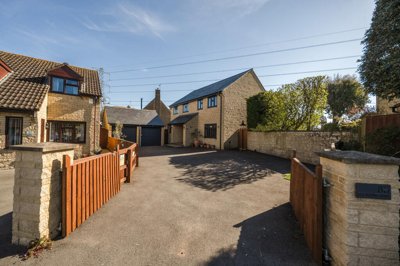
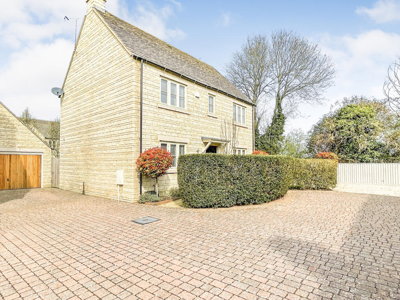
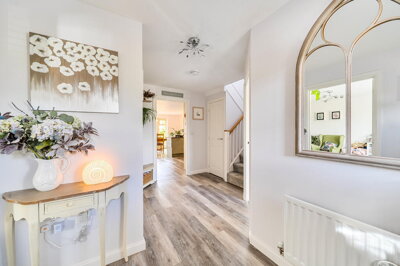
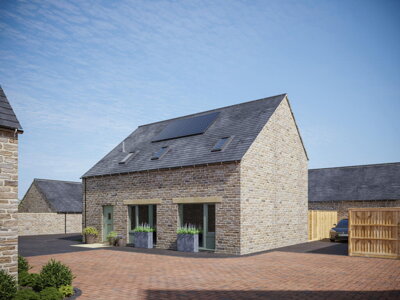
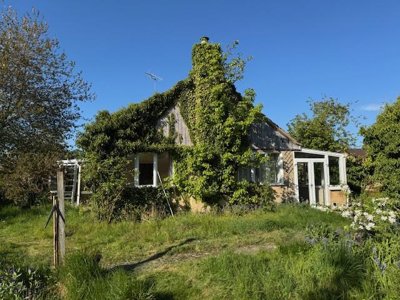
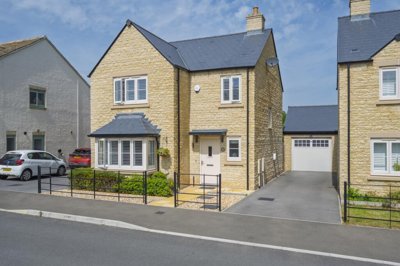
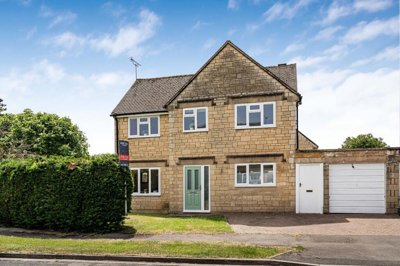
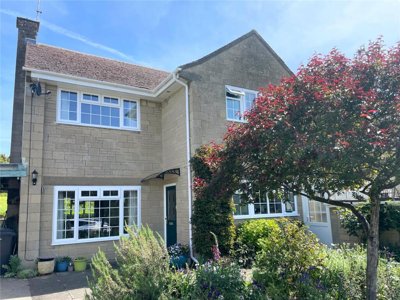
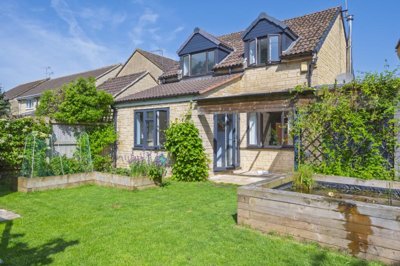
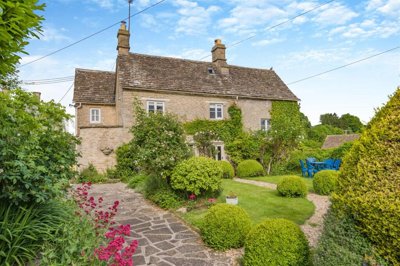
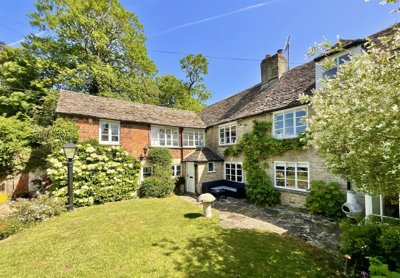
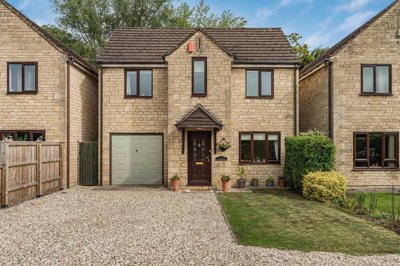
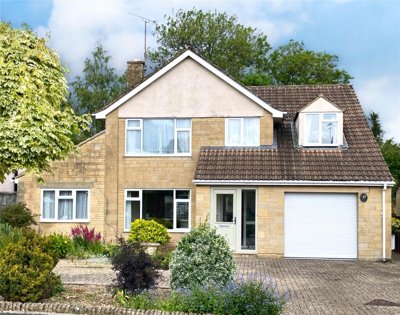
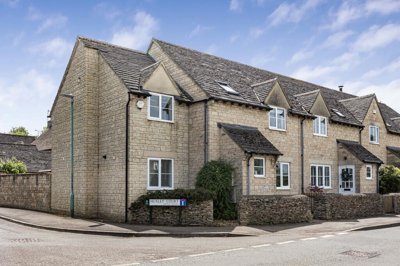
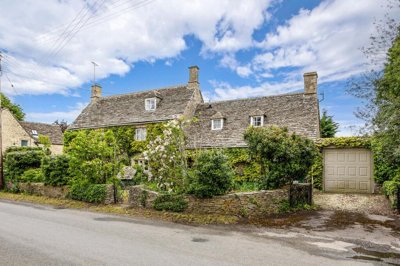
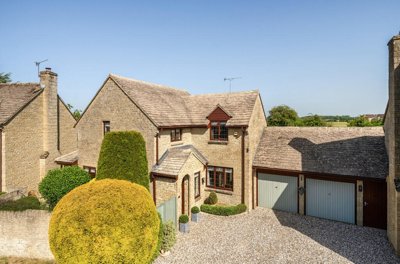
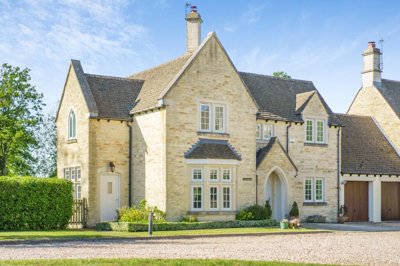
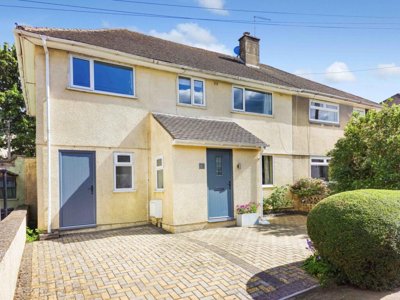
Browse 178 homes for sale in GL7 from local estate agents.
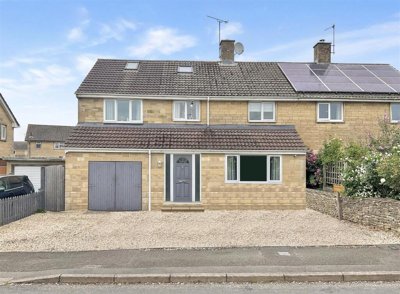
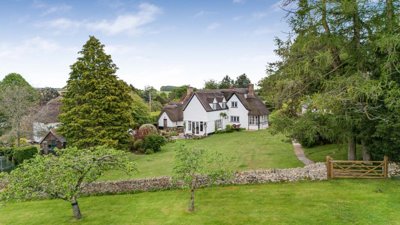
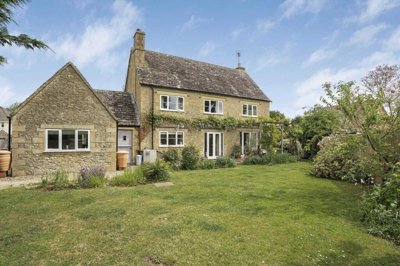
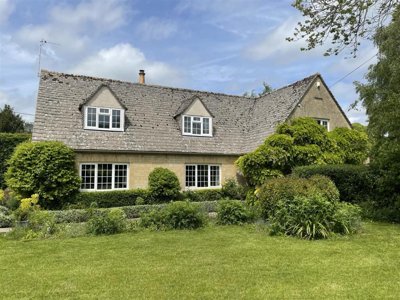
The larger property sector typically features multiple bathrooms, substantial reception space, and private gardens or off-street parking. Four bedroom houses in GL7 span detached, semi-detached, and occasionally terraced configurations, with styles ranging from period properties to modern executive homes.
£660k
83
5
112
Source: home.co.uk
Showing 83 results for 4 Bedroom Houses for sale in GL7. 5 new listings added this week. The median asking price is £660,000.
Source: home.co.uk
Detached
65 listings
Avg £756,258
Semi-Detached
12 listings
Avg £629,417
Terraced
6 listings
Avg £519,667
Source: home.co.uk
Source: home.co.uk
GL7's property market mirrors the Cotswolds themselves, distinctive, enduring and much sought after. home.co.uk records an average house price of £563,290 for the area, and homedata.co.uk gives the same £563,290. That places GL7 firmly in premium Gloucestershire territory, where people are buying into a lifestyle of golden Cotswold stone architecture and rolling countryside as much as a house. The market has softened a little in recent years, with overall prices sitting 9% lower than the previous year and 6% below the 2023 peak of £536,538, although some parts of the market are still showing growth.
Across GL7, the housing mix covers a wide spread of budgets and needs. Detached homes sit at the top end, averaging £964,653 according to home.co.uk listings data, which makes them a natural fit for families wanting space and privacy. Semi-detached properties come in at around £474,812, striking a useful balance between room to live and a price many buyers can still reach. Terraced houses, many in traditional Cotswold stone, average £358,159 and often act as the first step into this highly regarded area. Flats in GL7 average £282,333, giving first-time buyers and people after a lower-maintenance home a more accessible route in.
In Gloucestershire more widely, 346 properties, 3.0% of all sales, were newly built between January and December 2025, and most of them sold in the £400,000 to £500,000 price bracket. The GL7 1 Cirencester sector alone logged 401 property sales over a 24-month period, which points to steady demand even when the wider economy is less predictable. GL7 3 Lechlade recorded 118 transactions, while the more rural GL7 7 area around Daglingworth saw 30 sales, a sign of the smaller but committed buyer pool drawn to these villages.

GL7 offers a rare mix of rural calm and day-to-day convenience, which is why people come here from all over the UK. Cirencester, known as the "Capital of the Cotswolds", acts as the commercial and social centre for the surrounding area. In the town centre, independent shops, cafes and restaurants cluster around historic Market Place and Dollar Street. Regular farmers markets, antique fairs and community events help keep local identity strong, while tourism, agriculture and small businesses support the local economy.
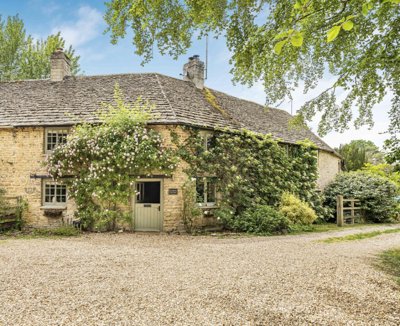
The landscape here is shaped by the geology of the Cotswolds, where Jurassic oolitic limestone gives the area its golden buildings and softly rolling hillsides. The River Churn and other tributaries run through the postcode, and the River Thames has its source near the area. Walkers have plenty to work with, including stretches of the Thames Path and Cotswold Way, so the countryside is very much on the doorstep. Bibury, Arlington and Barnsley show off the region at its best, with honey-coloured stone cottages, old churches and conservation areas that protect the character visitors have admired for centuries.
Demographically, GL7 draws a broad mix of residents, from families attracted by the excellent schools to professionals commuting to larger cities, retirees after a quieter pace, and people working in agriculture and tourism. The Royal Agricultural University in Cirencester brings an academic edge and supports the local economy too. Much of the housing stock dates from before-1919, particularly in the town centre and in conservation-designated villages, so there is plenty of history built into the streetscape. Grand manor houses sit alongside humble weavers' cottages, all linked by Cotswold stone construction and traditional building methods that have lasted remarkably well.

Families are well served on the education side in GL7, with options from primary through to further education. Cirencester has several well-regarded primary schools that serve the town and nearby villages. Secondary education is available at Cirencester College, a established institution offering A-levels and vocational qualifications, as well as other secondary schools within reasonable reach. Parents should always check catchment areas and admission policies carefully, because these can affect property values on particular streets and in specific villages. Good schools are a major reason GL7 appeals to households moving out of bigger urban centres.
Beyond the state system, there are independent schools within the wider Gloucestershire area for families seeking academic excellence. Grammar schools in neighbouring authorities may also appeal, especially to those happy to build travel into the daily routine. Cirencester College offers a strong sixth-form route, while the nearby Royal Agricultural University opens the door to higher education in agricultural and land-based subjects. We would always suggest visiting schools in person, meeting headteachers and getting to grips with the admissions picture before making a purchase, because catchment boundaries can be decisive in an area like this.
Early years provision is solid too, with nurseries and pre-schools spread across Cirencester and the surrounding villages. Many settings make good use of the Cotswolds landscape, offering outdoor learning that suits the rural feel of the area. With good primary schools, respectable secondary options and access to further education, GL7 works well for families at every stage. Prices can shift sharply over short distances depending on school proximity and catchment area, so buyers with school-age children should check which addresses fall within their preferred boundaries before committing.

The GL7 area has better transport links than many people expect from a mainly rural postcode. Kemble railway station, just east of Cirencester, runs regular services to London Paddington, with journey times of around 75 minutes, which makes commuting to the capital realistic for those who need it. That connection adds real practical appeal for professionals working in London who still want the Cotswold way of life. Swindon is also within easy driving distance and offers faster rail connections to the capital and other major destinations.
Road access is also strong, with the A417 and A429 giving useful routes through the area. The A419 links Cirencester to the M4 motorway, opening up Bristol, Reading and the wider motorway network. For anyone travelling to Cheltenham or Gloucester, the car journey is straightforward and often quicker than taking the train. Bus services from Stagecoach and other operators connect Cirencester with nearby towns and villages, although some routes run less often, so a car is a practical necessity for many residents. Cycling has improved too, and the flat ground around Cirencester suits everyday riding.
Kemble station has parking, though spaces can be tight at busy times, so residents from surrounding villages may prefer to drive there. Bristol Airport and London Heathrow are both within reasonable driving time for air travel. GL7 sits in a useful spot, roughly equidistant from major economic centres but firmly placed in beautiful countryside, and that explains much of its lasting appeal. A lot of residents now work in hybrid patterns, heading into offices a few days a week and spending the rest of the time enjoying the quality of life the Cotswolds brings.

Contact local mortgage advisors to establish how much you can borrow based on your circumstances. Obtain an Agreement in Principle before beginning property viewings, which demonstrates your seriousness to sellers and estate agents. Consider the various GL7 sectors - from busy Cirencester to quieter villages like Daglingworth - and factor in council tax bands, which vary across the Cotswold District Council area.
Browse current listings on Homemove and register with local estate agents who know the GL7 market intimately. View a range of properties to understand what your budget buys in different locations. Given the prevalence of period properties in this area, viewing homes across different conditions - from recently renovated to full renovation projects - helps you understand the true market value and potential costs.
Once you find your ideal home, submit a formal offer through the estate agent, ideally with your mortgage Agreement in Principle documented. In the competitive Cotswold market, be prepared for some negotiation on price and conditions. Sellers of historic properties may have particular requirements regarding sale timelines or chain arrangements that you should be aware of before proceeding.
Commission a RICS Level 2 Survey (Homebuyer Report) for your new property to identify any defects before purchase. Given that many GL7 homes are pre-1919 stone-built properties, this survey is particularly valuable for identifying issues common to older construction, including damp, roof condition, timber defects, and potential shrink-swell risks from local clay soils.
Choose a solicitor experienced in Cotswold property transactions to handle the legal work. They will conduct searches including local authority, drainage, and environmental checks specific to the GL7 area. Cirencester's conservation areas and the presence of listed buildings in many villages require specific searches to ensure your purchase is complication-free.
Finalise your mortgage with your chosen lender and pay your deposit. Your solicitor will exchange contracts with the seller's legal team, setting a completion date. On completion day, you receive the keys and can move into your new GL7 home. Register your ownership with HM Land Registry and update your address with relevant organisations.
There are some clear property considerations in GL7 that buyers should keep in mind before they proceed. A sizeable share of homes here are built from Cotswold stone and were put up before modern building regulations came in. They have plenty of charm, but they need a careful eye. Damp is the main thing to watch for in solid-walled stone buildings, especially where cement renders have been used in unsuitable modern repairs. Traditional lime mortar allows these walls to breathe, and replacing it with impervious materials often causes problems over time.
Stone slate roofs are very much part of the local look, but repairs or a full replacement can be costly, so their condition matters at viewings. Many GL7 homes also have chimney stacks that need regular maintenance, and failing mortar joints or stacks that lean may point to more serious structural issues. Where timber-framed elements are present, look for woodworm or rot, particularly if the area has been damp or poorly ventilated. The Cotswolds geology, with its underlying clay formations, means some properties can be affected by shrink-swell ground movement, which in turn can influence foundations. A thorough survey will pick up these potential issues.
Flood risk is not the same across GL7, and homes close to the River Churn and other watercourses need extra attention. We would ask for Flood Risk searches and check whether there has been any history of flooding at the property. Insurance can cost significantly more in flood zones. Many villages, and parts of Cirencester, sit within conservation areas, which bring restrictions on alterations, extensions and even external paint colours. Listed buildings need Listed Building Consent for almost any external work. It is worth understanding these designations before buying if you have plans for future changes to the house.

According to recent data from home.co.uk and homedata.co.uk, the average house price in GL7 is £563,290. Detached properties average £964,653, semi-detached homes around £474,812, terraced properties approximately £358,159, and flats average £282,333. The GL7 1 Cirencester sector has seen price growth of 2.8% over the last year, while the GL7 7 Daglingworth sector grew by 3.0%. Overall, the wider GL7 area saw prices 9% lower than the previous year and 6% below the 2023 peak of £536,538, offering opportunities for buyers in a market that has experienced some correction.
Properties in the GL7 area fall under Cotswold District Council administration. Council tax bands range from A through to H, with most period properties in Cirencester town centre and the surrounding Cotswold villages falling into bands C through E. The specific band depends on the property's valuation, size, and construction, with larger detached properties in desirable locations potentially in higher bands F or G. Buyers should check the specific band for any property they are considering, as council tax forms part of the ongoing cost of ownership and varies across different villages within the postcode.
The GL7 area offers good educational provision with several well-regarded primary schools in Cirencester serving the town and surrounding villages. Cirencester College provides secondary and sixth-form education with a strong academic and vocational offering. The Royal Agricultural University offers higher education opportunities in specialist subjects relevant to the area's agricultural character. Parents should research specific catchment areas and admission policies, as these can vary and significantly influence which schools serve particular addresses. Independent schooling options are available in the wider Gloucestershire area for families seeking private education, and grammar school selection in neighbouring authorities may appeal to those willing to factor travel into their planning.
The GL7 area is well-served by rail connections despite its rural character. Kemble railway station provides regular services to London Paddington with journey times of approximately 75 minutes, making it practical for commuters working in the capital. Bus services operated by Stagecoach connect Cirencester with surrounding towns and villages, though frequency varies by route. The A417 and A429 provide road connections through the area itself, while the A419 links to the M4 motorway giving access to Bristol, Swindon, and Reading. Many residents find a combination of rail commuting and working from home suits the GL7 lifestyle well, taking advantage of the area's Cotswold appeal without sacrificing career opportunities.
The GL7 area has historically shown strong capital appreciation, driven by its desirable Cotswold location and limited supply of quality housing. The GL7 1 Cirencester sector saw prices grow by 2.8% over the last year, demonstrating resilience despite broader market conditions. Demand is supported by the area's appeal to families, commuters, and those seeking a rural lifestyle within reach of major cities. Properties in conservation areas and those with character features tend to hold their value well. However, buyers should be aware that some villages have higher proportions of second homes and holiday lets, which can affect rental yields and long-term capital growth prospects.
Stamp Duty Land Tax (SDLT) rates from April 2025 apply to all purchases in England, including GL7. For residential purchases, there is no SDLT on the first £250,000 of property value. From £250,001 to £925,000, the rate is 5%, then 10% up to £1.5 million, and 12% above that. First-time buyers benefit from relief on properties up to £625,000, paying 0% on the first £425,000 and 5% between £425,001 and £625,000. For example, on a £563,290 average GL7 property, a first-time buyer would pay approximately £3,980 in SDLT after first-time buyer relief.
Budgeting properly matters when buying in GL7, because the full cost goes beyond the purchase price. Stamp Duty Land Tax (SDLT) is a major part of that for most buyers. For properties bought after April 2025, residential SDLT rates in England are 0% on the first £250,000, 5% on the portion from £250,001 to £925,000, 10% on the next £575,000, and 12% on any amount above £1.5 million. With the average GL7 property price sitting around £563,290, most buyers fall into the 5% band on the amount above £250,000, which works out at approximately £12,730 before any reliefs.
First-time buyers get a more generous SDLT allowance, with no duty on the first £425,000 and 5% on the amount between £425,001 and £625,000. On an average-priced GL7 property of £563,290, a first-time buyer would pay approximately £3,980 in SDLT. That relief is only available to buyers who have never owned property anywhere in the world and who plan to live in the property as their main home. Buy-to-let purchases and second homes attract a 3% surcharge on all SDLT bands, which pushes the total bill up quite sharply.
On top of SDLT, buyers should allow for solicitor conveyancing fees, which usually range from £499 to £1,500 depending on the property type and how complex the transaction is. Searches for GL7 homes may include local authority checks through Cotswold District Council, drainage and water searches, and environmental searches that look at ground conditions and flood risk. A RICS Level 2 Survey typically costs from around £350 to £600 for a standard GL7 property, although older stone-built homes or larger properties can cost more because they take more time and expertise. Mortgage arrangement fees, valuation fees and moving costs round out the buying bill in this sought-after Cotswold location.

Properties for Sale In London

Properties for Sale In Plymouth

Properties for Sale In Liverpool

Properties for Sale In Glasgow

Properties for Sale In Sheffield

Properties for Sale In Edinburgh

Properties for Sale In Coventry

Properties for Sale In Bradford

Properties for Sale In Manchester

Properties for Sale In Birmingham

Properties for Sale In Bristol

Properties for Sale In Oxford

Properties for Sale In Leicester

Properties for Sale In Newcastle

Properties for Sale In Leeds

Properties for Sale In Southampton

Properties for Sale In Cardiff

Properties for Sale In Nottingham

Properties for Sale In Norwich

Properties for Sale In Brighton

Properties for Sale In Derby

Properties for Sale In Portsmouth

Properties for Sale In Northampton

Properties for Sale In Milton Keynes

Properties for Sale In Bournemouth

Properties for Sale In Bolton

Properties for Sale In Swansea

Properties for Sale In Swindon

Properties for Sale In Peterborough

Properties for Sale In Wolverhampton

Enter your details to see if this property is within your budget.
Loans, cards, car finance
Estimated property budget
Borrowing + deposit
You could borrow between
Typical borrowing
Monthly repayment
Est. at 4.5%
Loan-to-value
This is an estimate only. Your actual budget may vary depending on interest rates, credit history, and personal circumstances. For an accurate affordability assessment, speak to one of our free mortgage advisors.
This calculator provides estimates for illustrative purposes only and does not constitute financial advice. Your home may be repossessed if you do not keep up repayments on your mortgage. Estimates based on 4.5% interest rate, repayment mortgage. Actual rates depend on your circumstances.
Homemove is a trading name of HM Haus Group Ltd (Company No. 13873779, registered in England & Wales). Homemove Mortgages Ltd (Company No. 15947693) is an Appointed Representative of TMG Direct Limited, trading as TMG Mortgage Network, which is authorised and regulated by the Financial Conduct Authority (FRN 786245). Homemove Mortgages Ltd is entered on the FCA Register as an Appointed Representative (FRN 1022429). You can check registrations at NewRegister or by calling 0800 111 6768.

We use cookies to show you personalised content and improve your experience of our website. Find out more in our Privacy policy and Cookie policy.