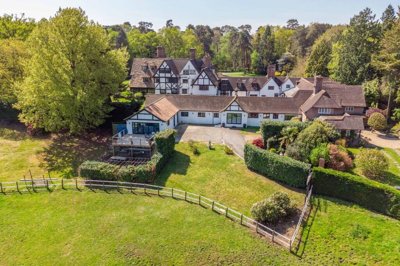
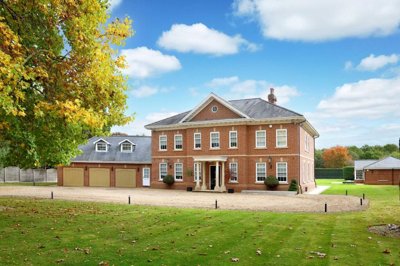
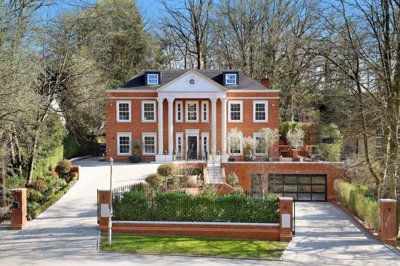
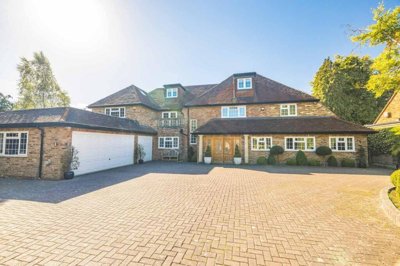
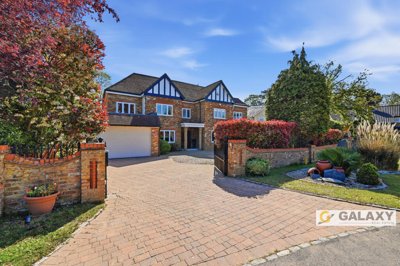
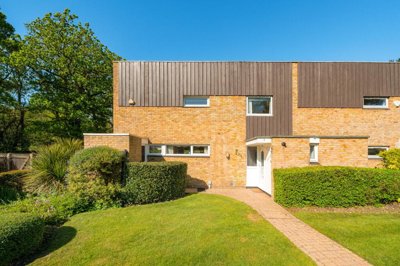
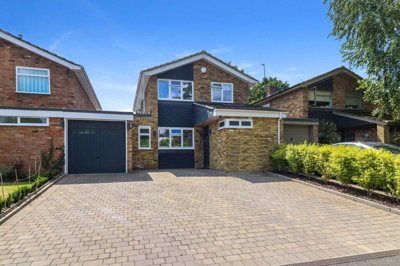
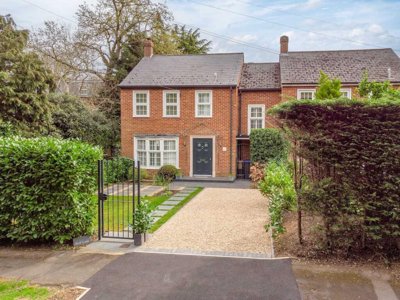
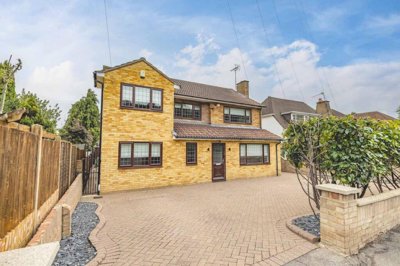
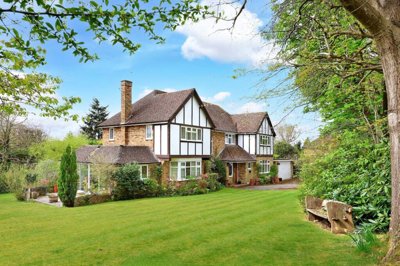
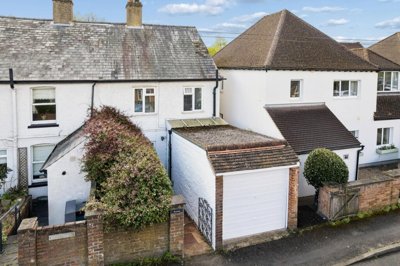
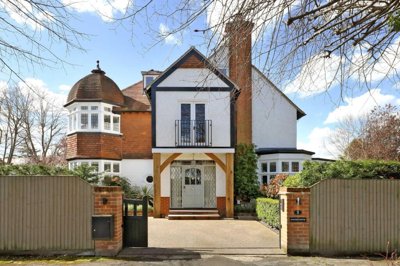
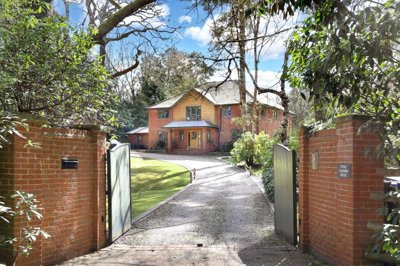
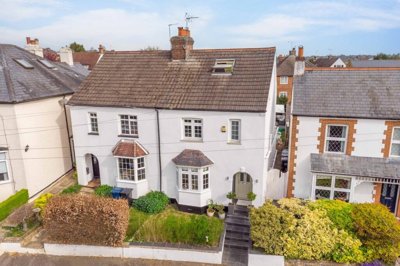
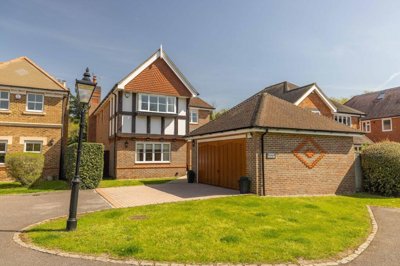
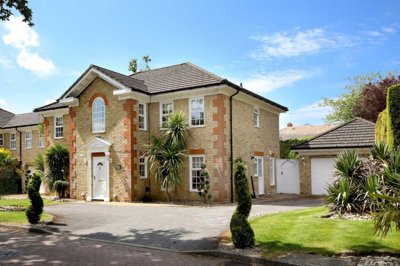
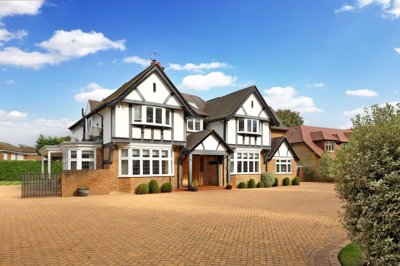
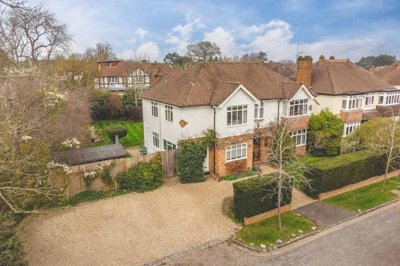
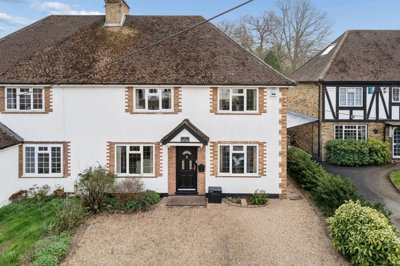
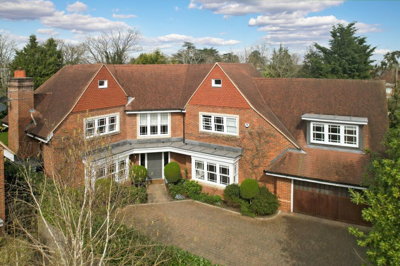
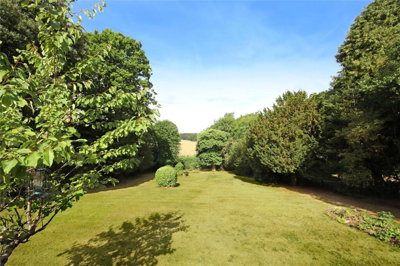
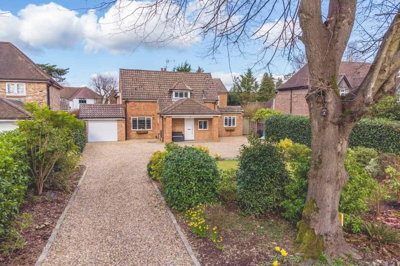
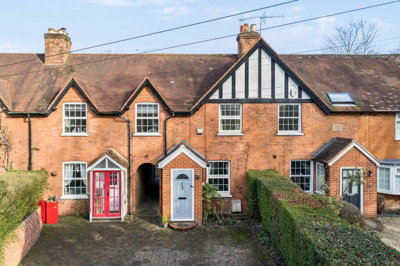
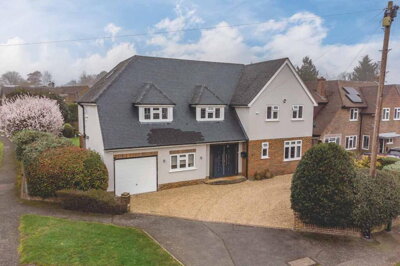
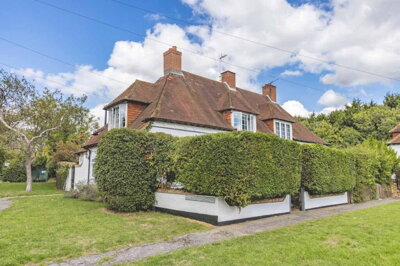
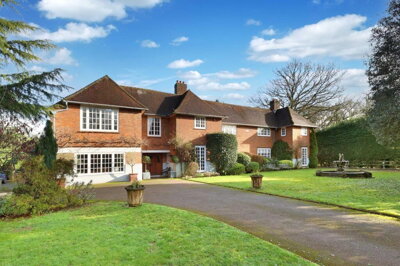
Browse 328 homes for sale in Gerrards Cross from local estate agents.
The Gerrards Cross property market offers detached, semi-detached, and terraced houses spanning various price ranges and neighbourhoods. Each listing includes detailed property information, photographs, and direct contact with the marketing agent.
Gerrards Cross has held up well despite wider national price swings. Recent figures put average sold prices anywhere from approximately £1,495,000 to over £1,536,342, depending on the period and the method used. Over the last 12 months, sold prices have eased by around 11.8% according to home.co.uk data, which follows the broader post-pandemic reset seen after 2022, when average prices reached £1,536,342. In the SL9 7 postcode, prices have actually risen by 3.9% over the past year, so some parts of the village are still moving ahead of the wider market. Sales activity has also thinned, with approximately 69 residential transactions in the past year, about 40% fewer than the year before, as higher mortgage rates and economic uncertainty have weighed on demand.
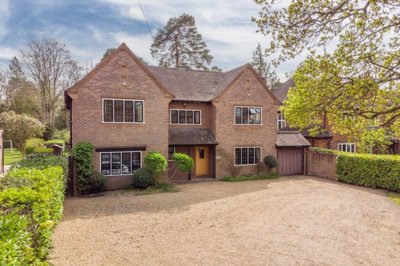
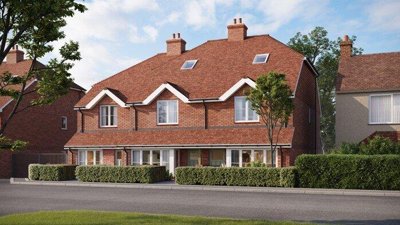
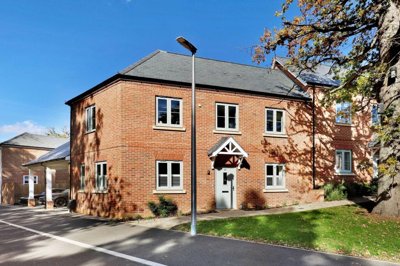
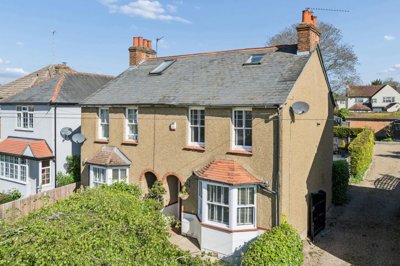
Detached houses sit at the top of the Gerrards Cross market, and our home.co.uk listings data puts asking prices at £814,929, while recently completed sales climb to over £2,078,163. Semi-detached homes are the next rung down, usually coming in between £723,756 and £824,000 depending on size and condition. Terraced properties, less common in this mainly suburban setting, tend to sell between £683,000 and £854,481. Flats are the cheapest entry point, at roughly £498,500 to £665,557. That spread reflects the housing history here, from Victorian and Edwardian terraces near the village centre to substantial 1930s semis and newer executive homes on estates around the historic core.

Gerrards Cross still has that classic English village feel, but the day-to-day convenience is very modern. The village centre revolves around the Common, a broad green where weekend cricket, summer fetes and slow afternoon walks all pull people together. Around it, the streets are neatly layered with red-brick cottages, inter-war family houses and other carefully kept properties, which gives the area a settled look. The village sits inside the Chiltern Hills Area of Outstanding Natural Beauty, so development remains tightly controlled to protect the rural character. Residents have access to local shops, artisan bakeries, gastro pubs and specialist food stores, clustered around the Old Mill and nearby lanes.
The village's prosperity shows in its residents. Gerrards Cross draws professional families, London commuters and long-standing owners who have watched values rise steadily for years. Community life is busy too, with clubs and societies ranging from the Gerrards Cross Music Club to the local horticultural society and a host of sporting groups. The Chalfonts Community Board area keeps an eye on local identity while services adapt to a community that is still growing. For families, the draw is simple enough, good schools, safe streets and plenty of green space, all within reach of London's culture and education.
Pinewood Studios gives the local economy another strand, bringing in film and media professionals who like the transport links and the pace of life here. Away from commuting, work is centred on retail, professional services and the hospitality sector that serves both residents and visitors. There are also several healthcare facilities, including dental practices and medical centres, so everyday care is close at hand. And then there are the calendar fixtures, the annual summer fair on the Common, the Christmas light switch-on and the rest, all of which keep the social side of Gerrards Cross firmly in view.
For families, education is one of the big reasons our buyers look at Gerrards Cross. Primary options include Gerrards Cross Church of England Infant School and St Joseph's Catholic Primary School, the latter carrying excellent Ofsted ratings within the Catholic education framework. The wider Chalfont Valley adds more primary choices, many with small class sizes and teaching teams who know pupils by name. Parents often tell us the school community is what tips the balance, with regular contact between teachers, children and families creating a supportive place to learn.
At secondary level, The Chalfonts Community College is the best-known local option, popular and oversubscribed, with strong exam results and a wide mix of extracurricular activities. Families wanting grammar school places can look to Beaconsfield and Amersham, where respected selective schools are available, but admission depends on the 11-plus examination and the relevant catchment criteria. Sixth form provision is available at The Chalfonts Community College, and further education colleges in Uxbridge and Aylesbury open up vocational and academic routes too. For higher education, Gerrards Cross also sits within reach of prestigious universities in London and Oxford.
For commuters, Gerrards Cross is hard to beat. Direct services to London Marylebone take just 20 minutes, and Chiltern Railways runs them frequently through the day, which makes life easier for anyone heading into central London or back for an evening out. From Marylebone, the Underground, the Elizabeth Line at Bond Street, and national rail at Euston and Paddington are all straightforward connections. The station has generous parking, although many locals prefer to walk or cycle because the village is compact.
Drivers are well placed too. Gerrards Cross connects quickly to the M25 at junction 1 (Denham) and to the M40 at Beaconsfield, opening routes to Oxford, Birmingham and the wider motorway network. The A40 Western Avenue is close by as well, giving a direct line into central London and down towards the M4 corridor. Arriva and other bus operators link the village with Beaconsfield, Amersham and Chalfont St Peter, while cyclists can make use of the rolling Chiltern countryside and the National Cycle Network routes that thread through it.
Our listings for homes for sale in Gerrards Cross, Denham and the surrounding Chalfonts area are a good place to start. A clear view of local prices and property types will help set expectations before you begin looking in this competitive Buckinghamshire market.
Before we book viewings, we advise getting a mortgage agreement in principle from a lender. It strengthens your position on offers and shows sellers you are financially prepared in the Gerrards Cross market.
Use our platform to arrange viewings of homes that fit what we are looking for. Our listings come with detailed descriptions, photographs and floorplans, so we can narrow the list before stepping inside.
Once an offer has been accepted, we would book a RICS Level 2 HomeBuyer Report to check the property's condition. In Gerrards Cross, where many homes are older, that survey is especially useful for picking up damp, roof defects or possible subsidence linked to clay soils.
We would appoint a solicitor to deal with the legal side of the purchase, from local searches and contract review through to registration with the official land register. Their experience with Buckinghamshire property transactions can keep the process moving.
When the searches are back and the funds are confirmed, contracts are exchanged and the deposit is paid. Completion usually follows within weeks, when the keys to the new Gerrards Cross home are handed over.
Knowing how Gerrards Cross properties are built helps buyers read the character of this sought-after Buckinghamshire village. Across different eras, traditional red brick is the common thread, giving many homes that warm colour and solid feel. The 1930s inter-war stock often pairs brick with render, and pebbledash exteriors are still common from that period. Roofs are usually tiled, using clay or concrete tiles, although plenty of homes also carry natural or artificial slate to suit the older look.
A lot of the housing here is over 50 years old, with sizeable numbers from the Victorian, Edwardian and inter-war periods. Properties built before modern building regulations often use solid walls rather than cavity walls, so insulation can be less efficient and renovation choices need some thought. Timber-framed roof construction is standard across local housing, which means inspections often turn up joists, rafters and supporting beams that need work. Foundations vary by age and ground conditions, and the older houses can have shallower foundations, which makes them more vulnerable to movement in drought or heavy rain.
London Clay underpins much of the Gerrards Cross area, and that soil is known for shrink-swell behaviour as moisture levels change. Where mature trees sit close to the building footprint, the risk of subsidence or heave goes up, because roots draw moisture from the clay subsoil in dry spells and the ground shrinks beneath the structure. That matters especially in areas such as the SL9 7 postcode, where established gardens and mature specimens are part of the appeal. A careful survey can pick up previous movement, crack patterns and drainage problems that point to ground stability concerns.
Buying in Gerrards Cross means keeping an eye on a few local factors that can shape both value and day-to-day life. Parts of the village fall within Conservation Areas, so exterior changes, extensions and certain renovations need consent from the local planning authority. There are also several listed buildings, and those come with tighter controls on alterations and maintenance, which can affect future plans. Checking these constraints early helps us line up any ambitions for the property with what heritage rules allow.
Because Buckinghamshire includes London Clay across the wider area, buyers should keep shrink-swell subsidence in mind. Homes with mature trees, especially where foundations are shallow, can be more exposed to movement during drought or heavy rain. A thorough RICS Level 2 survey will flag any signs of subsidence, cracking or structural movement. Many Gerrards Cross homes are over 50 years old too, so wiring and plumbing may be due for updating to current standards. Rewiring, a new heating system or other infrastructure work may need to sit in the budget for older properties here.
Typical defects in Gerrards Cross homes include damp, especially rising damp in solid-walled period properties where the original damp-proof course has failed over time. Roofs are another regular watchpoint, with older tiled and slated coverings prone to slipped tiles, tired felt underlays and failing leadwork around chimneys and valleys. Timber issues, from woodworm to wet and dry rot, can affect floor joists, window frames and roof timbers where maintenance has been left too long. Drainage can also be troublesome in older homes, because clay soil can affect underground pipework and soakaway performance over time.

Average house prices in Gerrards Cross sit anywhere from approximately £1,495,000 to over £1,536,342, depending on the reporting period and methodology. Detached homes usually reach £2,078,163, semi-detached properties £824,000, and flats about £498,500. The SL9 7 postcode has recorded 3.9% growth recently, although overall sold prices are down around 11.8% over the past year after the 2022 peak of £1,536,342. Size, condition and proximity to the village centre and train station all play a part, with the best spots still commanding strong premiums in this competitive Buckinghamshire market.
Properties in Gerrards Cross sit under Buckinghamshire Council and are placed in council tax bands A through H, depending on assessed value. Most family houses fall into bands E through G, and the average property attracts annual charges of between £2,000 and £3,000. Before going any further, we always check the band for the property in question, because it forms part of the ongoing cost of ownership here. Flats usually land in the lower bands, while larger detached executive homes can sit in bands G or H, with the yearly bill rising accordingly.
At primary level, Gerrards Cross offers schools such as Gerrards Cross Church of England Infant School and St Joseph's Catholic Primary School. The Chalfonts Community College looks after secondary-age pupils and posts strong academic results, while grammar schools in nearby Beaconsfield and Amersham give selective options for those who pass the 11-plus examination. Parents often point to the resources, support and community feel as key reasons for settling here, and many focus their search on the Gerrards Cross catchment area when house hunting in Buckinghamshire.
Gerrards Cross railway station runs direct Chiltern Railways services to London Marylebone in approximately 20 minutes, so it remains one of Buckinghamshire's quickest links into central London. Frequent daily services and parking at the station make it easy to mix rail and car travel. Local buses tie the village to Beaconsfield, Amersham and Chalfont St Peter, which helps residents without private vehicles. The fast Marylebone connection is a major draw for commuters, and many people use it every day for work.
Gerrards Cross has long shown resilience in property values, which is a big part of its appeal to homeowners and investors alike. Excellent transport links, strong schools and the Chiltern Hills setting continue to support demand. Recent market figures show some correction from the 2022 peak, but the SL9 7 postcode still posted positive annual growth, so parts of the market remain firm. A commuter-heavy buyer base helps keep a steady pool of purchasers, and conservation constraints limit the scope for new development, which supports values over the longer term.
Stamp Duty Land Tax changed from April 2024. Residential purchases now start at 0% on the first £250,000, then move to 5% on the slice from £250,001 to £925,000, 10% up to £1.5 million and 12% above that. First-time buyers get relief on the first £425,000, with 5% due between £425,001 and £625,000. Because prices in Gerrards Cross are so high, most purchases fall into the upper SDLT bands, so it is wise to factor tax in alongside the mortgage and deposit when totalling the budget. A typical £1.2 million detached home here would attract SDLT of approximately £43,750 under the current rates.
Gerrards Cross is not on a major river, so flood exposure from main watercourses is limited. Even so, surface water flooding can appear during heavy rain, especially in low-lying spots or where drainage is under strain from intense downpours. Homes surrounded by mature trees should also be checked for subsidence risk, given the clay soils that shrink and swell as moisture levels change. Our team always advises looking at the government's flood risk checker before a purchase completes, because topography and drainage can alter risk from one street to the next.
4.5% APR
From 4.5% APR, with competitive rates for Buckinghamshire properties
From £499
Our specialist property solicitors for Gerrards Cross purchases
From £350
Detailed condition reports for Gerrards Cross properties
From £80
Energy performance certificates for all property types
Buying in Gerrards Cross brings a few extra costs beyond the purchase price, so we always flag them early. Stamp Duty Land Tax is the biggest one, and because homes here usually sit above £500,000, most buyers pay SDLT at the 5% rate on the part above £250,000. On a typical detached home at £1.2 million, stamp duty works out at approximately £43,750 under the current rates, while first-time buyers may reduce that to around £24,375 if the property is below £625,000 and they meet the scheme criteria.
On top of stamp duty, buyers should allow for solicitor conveyancing fees, usually between £500 and £2,000 depending on complexity and property value. Local searches with Buckinghamshire Council normally cost between £250 and £400, while

Properties for Sale In London

Properties for Sale In Plymouth

Properties for Sale In Liverpool

Properties for Sale In Glasgow

Properties for Sale In Sheffield

Properties for Sale In Edinburgh

Properties for Sale In Coventry

Properties for Sale In Bradford

Properties for Sale In Manchester

Properties for Sale In Birmingham

Properties for Sale In Bristol

Properties for Sale In Oxford

Properties for Sale In Leicester

Properties for Sale In Newcastle

Properties for Sale In Leeds

Properties for Sale In Southampton

Properties for Sale In Cardiff

Properties for Sale In Nottingham

Properties for Sale In Norwich

Properties for Sale In Brighton

Properties for Sale In Derby

Properties for Sale In Portsmouth

Properties for Sale In Northampton

Properties for Sale In Milton Keynes

Properties for Sale In Bournemouth

Properties for Sale In Bolton

Properties for Sale In Swansea

Properties for Sale In Swindon

Properties for Sale In Peterborough

Properties for Sale In Wolverhampton

Enter your details to see if this property is within your budget.
Loans, cards, car finance
Estimated property budget
Borrowing + deposit
You could borrow between
Typical borrowing
Monthly repayment
Est. at 4.5%
Loan-to-value
This is an estimate only. Your actual budget may vary depending on interest rates, credit history, and personal circumstances. For an accurate affordability assessment, speak to one of our free mortgage advisors.
This calculator provides estimates for illustrative purposes only and does not constitute financial advice. Your home may be repossessed if you do not keep up repayments on your mortgage. Estimates based on 4.5% interest rate, repayment mortgage. Actual rates depend on your circumstances.
Homemove is a trading name of HM Haus Group Ltd (Company No. 13873779, registered in England & Wales). Homemove Mortgages Ltd (Company No. 15947693) is an Appointed Representative of TMG Direct Limited, trading as TMG Mortgage Network, which is authorised and regulated by the Financial Conduct Authority (FRN 786245). Homemove Mortgages Ltd is entered on the FCA Register as an Appointed Representative (FRN 1022429). You can check registrations at NewRegister or by calling 0800 111 6768.

We use cookies to show you personalised content and improve your experience of our website. Find out more in our Privacy policy and Cookie policy.