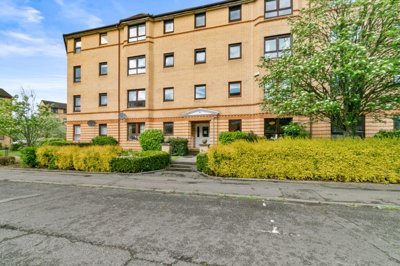
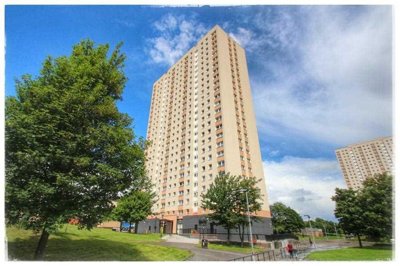
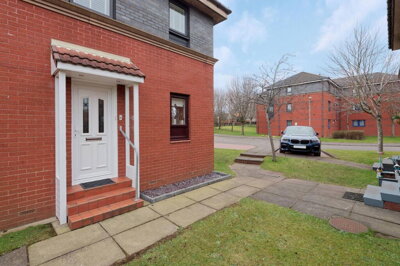
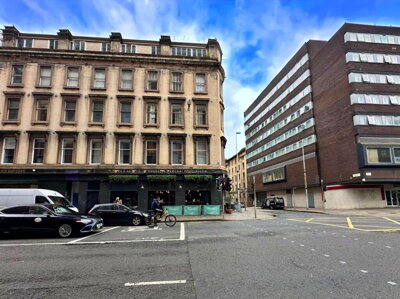
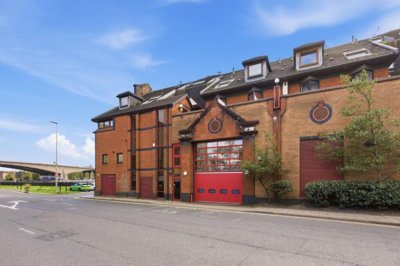
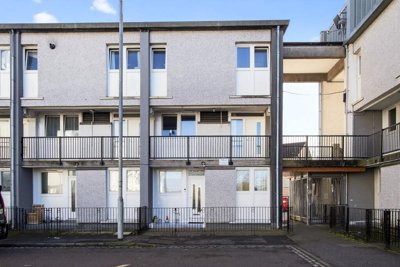
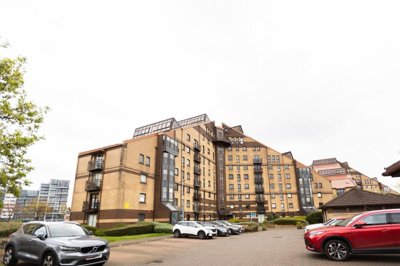
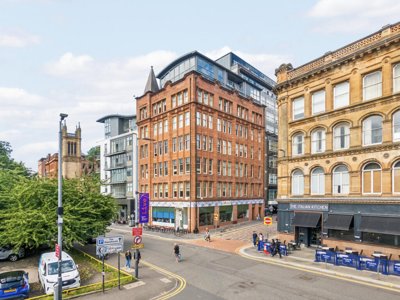
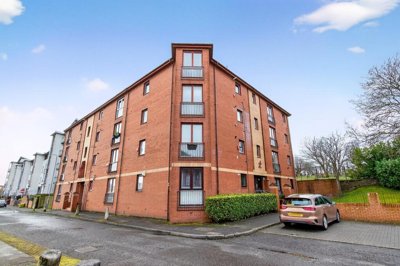
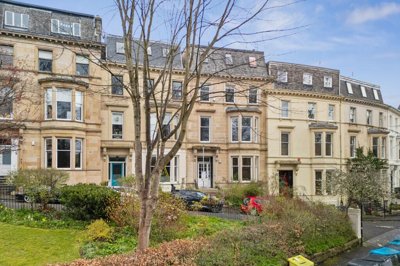
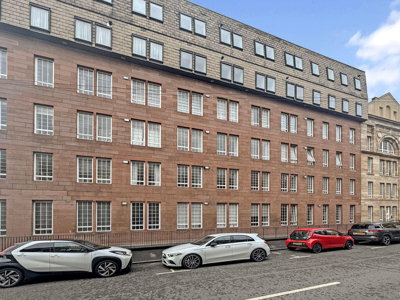
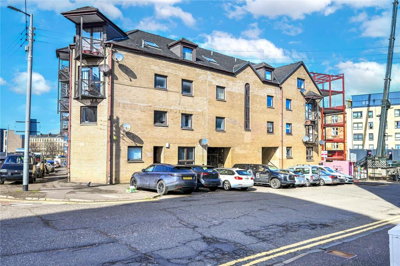
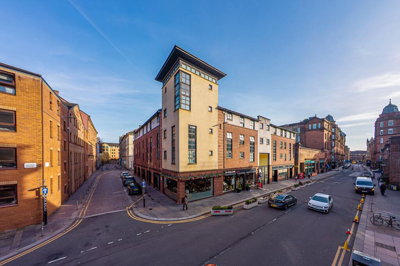
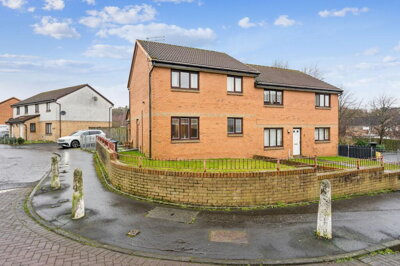
Browse 48 homes for sale in G4 from local estate agents.
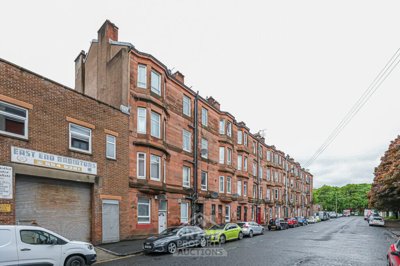
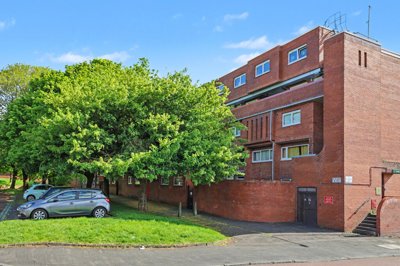
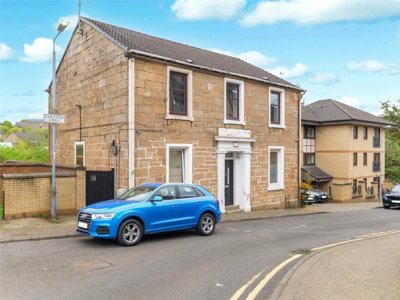
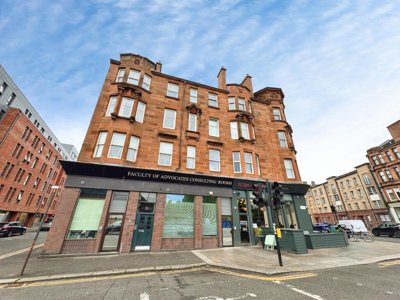
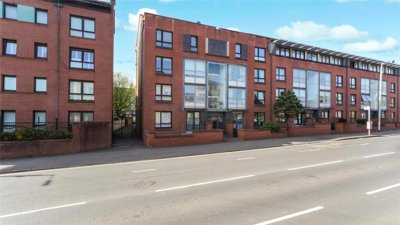
One bed apartments provide a separate bedroom alongside distinct living space, bathroom, and kitchen areas. Properties in G4 are available in various building types including mansion blocks, contemporary developments, and house conversions.
£125k
9
2
52
Source: home.co.uk
Showing 9 results for 1 Bedroom Flats for sale in G4. 2 new listings added this week. The median asking price is £125,000.
Source: home.co.uk
Flat
9 listings
Avg £128,861
Source: home.co.uk
Source: home.co.uk
£163,892
Average Property Price
-1%
12-Month Price Change
+11%
5-Year Price Change
19
Properties Sold (12 months)
22,000
Population
10,000
Households
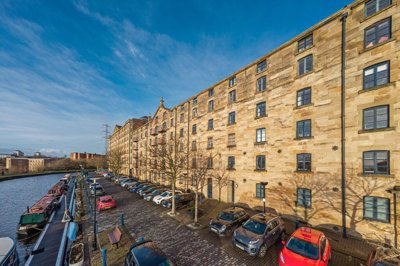
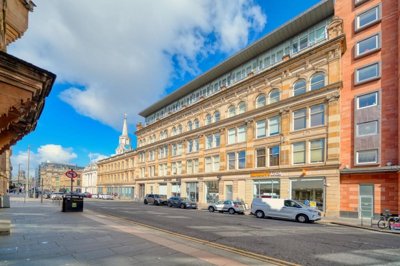
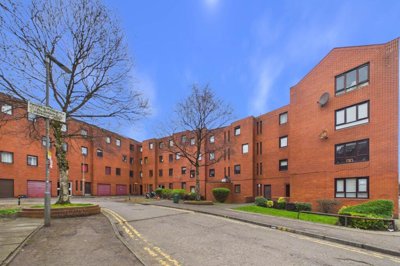
G4 gives buyers a broad spread of property choices in Glasgow city centre. Our current stock ranges from traditional sandstone tenement flats with original period detail to modern apartments in freshly built complexes. The average property price of £180,024 keeps G4 relatively accessible beside other major UK city centres, although larger homes still command stronger figures, with semi-detached properties reaching around £180,024 and detached houses averaging £309,000. That range means there is room for different budgets, from compact one-bedroom apartments through to roomy family homes.
Several important new build schemes are already changing the shape of G4. The Printworks on Port Dundas Road offers contemporary one and two-bedroom apartments from £160,000, and Kelvin Properties has converted the industrial building for that purpose. Merchants Gate on North Hanover Street, built by CCG Homes, brings one, two, and three-bedroom homes from £169,995. High Street Station on the High Street adds rental accommodation, with Get Living managing one, two, and three-bedroom apartments. Buyers who want modern finishes, energy efficiency, and amenities within walking distance of the centre tend to find plenty to weigh up here. Historic tenements beside new-build stock give G4 a very particular feel.
Flats make up the largest share of available homes in G4, which fits Glasgow’s wider tenement tradition. First-time buyers usually look at one and two-bedroom flats priced between £133,532 and £180,000, while families wanting more room often turn to three-bedroom tenement apartments or terraced properties. Under the streets, the geology is Carboniferous sedimentary rock, including sandstones and mudstones, and that has shaped how the area was built. Local sandstone quarries supplied the red and blonde stone that still defines the Victorian streetscape. Once buyers understand that background, the price premiums and likely maintenance issues make a lot more sense.
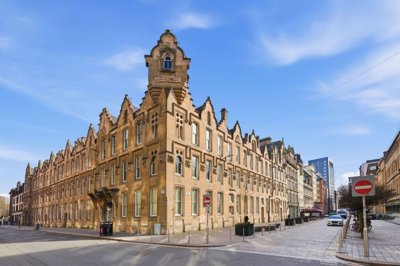
The Printworks, 140-144 Port Dundas Road is one of G4’s more eye-catching conversions, turning an old industrial building into contemporary apartments by Kelvin Properties. These one and two-bedroom homes start from £160,000 and bring modern living into a character setting. Merchants Gate, 100 North Hanover Street, from CCG Homes, gives buyers another new-build option, with one, two, and three-bedroom apartments from £169,995. High Street Station adds rental choice to the postcode, with Get Living offering one to three-bedroom apartments on the historic High Street. From converted industrial charm to purpose-built facilities, each scheme has its own appeal, so buyers can compare new and established homes in G4 on proper terms.

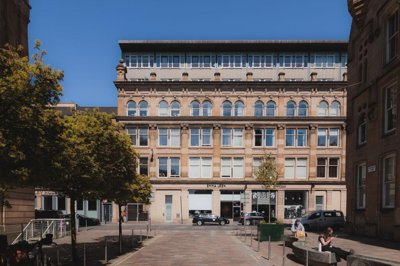
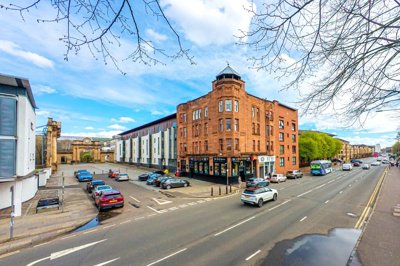
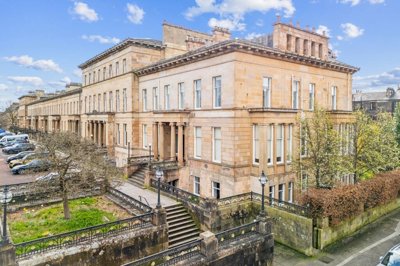
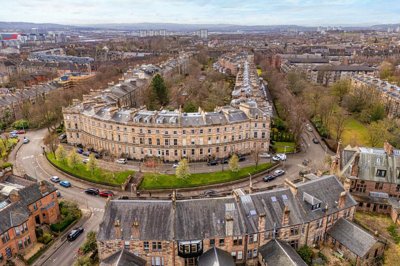
Few parts of Glasgow feel as historically important, or as architecturally distinctive, as G4. Red and blonde sandstone tenement buildings from the Victorian and Edwardian eras dominate the area, many put up before 1919, and the result is a streetscape with real visual presence. High ceilings, original cornicing, and generous room proportions are common, all of which speak to the ambition of late 19th-century Glasgow. Around 22,000 residents live in 10,000 households, which gives the postcode a lively but still fairly close-knit feel.
Culture is close by, which is one reason G4 stays so popular. The Theatre Royal, the Gallery of Modern Art, and the city centre’s dining and entertainment scene are all within easy reach. Garnethill, part of G4, contains the Glasgow School of Art campus and still keeps something of a village atmosphere despite the central location. Green spaces bring a bit of breathing room, and the nearby University of Strathclyde and Glasgow Caledonian University campuses add a scholarly tone, backed by cafes, bookshops, and academic events. That mix captures much of Glasgow’s friendliness, and newcomers usually find it easy to settle in.
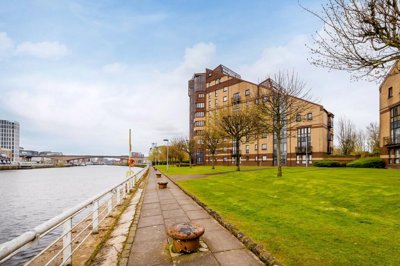
Anyone buying in G4 should think about regeneration as part of the decision. Port Dundas, on the western edge of the postcode, has attracted significant investment in recent years, with former industrial land moving into mixed-use development. Townhead, to the north, is still changing through a range of improvement projects. The Forth and Clyde Canal runs through parts of G4, so it brings leisure value as well as occasional flood risk points that buyers should discuss with our team when looking at individual homes. Sustained investment has already lifted several parts of the postcode, and that is helping G4 appeal to owner-occupiers and investors alike.
G4’s building materials say a lot about Glasgow’s construction history. Red and blonde sandstone is standard for tenement fronts, brick often appears at the rear, and Welsh slate is common on roofs. Most pre-1919 homes also have timber suspended floors and solid wall construction, so their insulation profile is very different from modern cavity-walled buildings. Our inspectors often point out that these older methods need a different maintenance approach, with breathable paints and plasters used to avoid trapping moisture. That is part of the appeal of period property in G4, but it also brings clear responsibilities.

Education serves a broad mix of residents in G4, from students to young families and people studying later in life. The University of Strathclyde’s city campus sits within easy walking distance of most G4 addresses, and Glasgow Caledonian University is just as accessible. That makes the area especially attractive to students, academics, and professionals working in higher education. The result is a busy local economy, with cafes, bookshops, and student-focused services that also benefit the wider neighbourhood.
Families with school-age children have several well-regarded primary and secondary options nearby, although they are spread across the surrounding postcodes rather than sitting neatly within one boundary. Parents should check individual catchment areas and the most recent Ofsted-equivalent inspection results from Education Scotland before deciding where a child might attend. Across the wider Glasgow area there are also specialist schools and additional support provision, which matters for families needing more specific help. Because G4 includes everything from compact flats to larger tenement apartments, it is worth confirming that a property sits within the right catchment before moving ahead.
We advise buyers with school-age children to check catchment boundaries directly with Glasgow City Council, because these can change and do not always match assumptions based on postcode alone. Garnethill Primary School serves parts of G4 and benefits from being within the Garnethill conservation area, while other primary schools sit in nearby postcodes. Secondary choices include schools with strong academic records that draw pupils from across the north side of Glasgow. Education Scotland’s inspection reports are useful for objective comparisons, and the boundary check should be done before purchase so there are no surprises later.
Getting around from G4 is straightforward. Glasgow Queen Street and Glasgow Central stations are both within walking distance, giving direct rail links across Scotland. By car or public transport, Glasgow Airport is usually reachable in 15-20 minutes, and the M8 runs close to the northern edge of the postcode, linking Edinburgh with the west of Scotland. Bus services are frequent throughout the area, with stops dotted across the neighbourhood.
Cyclists have more to work with in G4 than they did a few years ago. Dedicated lanes now appear on some major routes, and secure parking is available at key destinations. Central Glasgow’s flat terrain helps too, making everyday cycling realistic for many residents, while the growing Sustrans-connected network opens up longer and more recreational rides. Because the city centre is easy to reach on foot, many people can work, shop, and socialise without needing a private car, which keeps motoring costs down.
Our team often tells buyers to look closely at transport links when weighing up G4 properties. Homes nearer the High Street have immediate access to frequent buses and are close to High Street Station. Properties by Port Dundas Road are better placed for western city links and motorway access. The Forth and Clyde Canal is mainly a leisure feature, though it can sometimes create surface water management issues for nearby homes. Queen Street Station gives direct services to Edinburgh in under 50 minutes, while Glasgow Central connects to destinations across the wider rail network, which is why many buyers settle on G4 in the first place.
Before you go viewing, it is sensible to get a mortgage agreement in principle from a lender so the budget is clear. Costs beyond the asking price need to be counted too, including solicitor fees, survey costs, typically £400-£550 for a RICS Level 2 Survey on a G4 flat, and stamp duty Land Tax (SDLT), which applies to purchases above £250,000 at 5%. Many G4 homes sit below that threshold, so first-time buyers and flat purchasers may pay nothing in stamp duty.
Current Homemove listings give a useful picture of what each budget can buy in G4. Flats close to the universities differ in both character and price from homes in the Garnethill conservation area, so it pays to be clear on priorities early. Some buyers want the charm of a pre-1919 tenement with period features, while others prefer the modern specifications of a new-build apartment in Merchants Gate or The Printworks.
Viewing arrangements usually go through the estate agents listed with the property. Older tenement homes make up much of G4, so it helps to view with dampness, outdated electrics, and roof deterioration in mind. Buildings from before 1919 often need rewiring and may still have solid walls with little or no modern insulation. Our inspectors regularly find defects in G4 homes that are easy to miss in a casual walk-through.
After an offer is accepted, a RICS Level 2 Survey should be arranged to assess condition properly. In G4’s older sandstone buildings, this survey can pick up rising damp, timber rot, and masonry defects that could affect both your decision and your negotiating position. Because glacial till soils are common across Glasgow, the survey may also highlight foundation issues, especially where mature trees are nearby. Survey costs are £400-£550 for flats and £500-£700 for houses.
A solicitor will deal with the legal side, from title checks and local authority searches, which should include mining records because of Glasgow’s coal mining history, through to contract exchange. They also coordinate with the mortgage lender and the seller’s solicitors. If the property sits near the Forth and Clyde Canal, extra drainage and flooding searches may also be sensible.
As completion approaches, mortgage arrangements are finalised, SDLT is paid if needed, and building insurance is put in place. Your solicitor then transfers the funds and registers ownership with the Land Registry. In tenement buildings, it is important to check that the insurance covers the full reinstatement value and that any shared repairs have been properly recorded.
G4 properties come with a few specific issues that are worth checking before a purchase goes any further. The local geology can create problems, as the underlying Carboniferous sedimentary rocks and glacial till soils may shift with shrink-swell movement, especially in drought periods or after heavy rainfall. Homes near mature trees can carry a higher subsidence risk, and a specialist ground condition assessment may be worthwhile. Glasgow’s historic coal mining also means that some parts of G4 may still have residual ground instability from old workings, so a coal mining search report is an important safeguard.
Charm and responsibility tend to go hand in hand with G4’s sandstone buildings. Conservation areas such as Garnethill and the Central Conservation Area come with tighter planning controls over alterations, renovations, and exterior changes. Listed buildings need Listed Building Consent for most works and may call for surveyors with conservation experience. Our inspectors pay close attention to original materials and details on these homes, since ill-judged modern changes can damage both character and structure. We have seen cases where apparently helpful upgrades to listed properties later caused damp or masonry deterioration that a proper survey would have flagged.
Older homes in G4 often need some spending brought to bear on modern standards, especially with electrical rewiring, plumbing upgrades, and insulation improvements where solid walls offer little thermal resistance. Our surveyors frequently identify dampness problems in the postcode, including rising damp through solid floors, penetrating damp through worn masonry, and condensation where ventilation is poor. Roofs are another regular concern, with slate tiles showing age-related wear and lead flashing needing periodic replacement. Surface water flooding is also something to keep in mind, particularly because of G4’s urban density and its proximity to the Forth and Clyde Canal.
Our inspectors see the same patterns again and again across G4’s housing stock. Rising damp affects many tenement ground floors, often where the original damp-proof course has failed or has been bridged by ground levels outside. Penetrating damp is common where sandstone has weathered or pointing has broken down, letting water into the solid wall construction. Timber defects, including wet rot and dry rot, also show up regularly in wooden floors and structural timbers where dampness has spread or ventilation has been restricted. In lower-lying areas, and especially near the Forth and Clyde Canal, drainage and surface water management become more important during a survey.

The average property price in G4 is £180,024, based on recent sales data. Prices do vary by property type, with flats averaging around £170,626, terraced homes at approximately £180,024, semi-detached properties at £180,024, and detached houses reaching around £309,000. Over the last five years, prices have risen by 11%, although the most recent 12-month period shows a modest 1% decrease, which points more towards stability than decline. That sort of pricing makes G4 a workable entry point for buyers who do not want to compete with faster price growth seen elsewhere in city centre Glasgow.
Council tax bands in G4 depend on the property’s type and value, and they can range from Band A for lower-value flats through to Band D or E for larger tenement apartments and period houses. Glasgow City Council handles the collection and can confirm the band for any particular home. Buyers should remember that newer properties, including some apartments in The Printworks or Merchants Gate, may sit in different bands from older homes of a similar size. Because the band can change ongoing costs quite noticeably, we recommend checking it early and building it into the budget.
The universities are a major part of G4, with the University of Strathclyde and Glasgow Caledonian University both located in the postcode. For families with school-age children, though, the picture is broader and more variable, so it makes sense to research primary and secondary schools across Glasgow’s north-side catchment areas. Education Scotland’s inspection reports provide objective quality assessments, and catchment boundaries should be checked before purchase to keep within placement rules. Garnethill Primary School serves parts of G4 and sits in a conservation area, while secondary options across the north side include several schools with strong reputations. Because Glasgow’s admission arrangements can be complicated, we strongly recommend confirming catchment positions directly with Glasgow City Council before going any further.
G4 benefits from excellent public transport, with Glasgow Queen Street and Central stations both within walking distance of most addresses in the postcode. Multiple bus routes cover the area, giving frequent city-wide connections, and stops sit along major roads such as High Street, Duke Street, and George Street. The M8 runs close to the northern boundary, opening road access to Edinburgh and the west of Scotland, while Glasgow Airport is around 15-20 minutes away by car or public transport. That level of connectivity makes G4 a strong fit for commuters who travel across Glasgow or further afield. High Street Station adds another local rail option alongside Queen Street and Central.
Investors often look at G4 because rental demand is supported by students, young professionals, and city centre workers. Two universities nearby mean flat demand stays relatively consistent, and regeneration in places like Port Dundas and Townhead suggests further improvement ahead. Prices have shown 11% growth over five years, with the market staying broadly stable even after a modest 1% correction in recent months. That said, landlords should still allow for voids, maintenance on older buildings, especially tenement homes with shared repair contributions, and conservation area planning rules that can restrict alterations. The housing stock is broad, from compact student flats to larger family houses, so different strategies are possible.
Standard SDLT rates apply when buying property in G4. No stamp duty is payable on purchases up to £250,000, and that covers many flats and entry-level homes in the postcode. For properties priced between £250,001 and £925,000, 5% is charged on the amount above £250,000. First-time buyers get enhanced relief, with a zero-rate band up to £425,000, which can save thousands on qualifying purchases. Given G4’s average price of £180,024, many buyers will pay little or nothing in SDLT, though larger terraced, semi-detached, or detached homes may attract the standard rates. HMRC’s SDLT calculator, or advice from a solicitor, will confirm the exact liability before an offer is made.
There are also flood risk points to think about in G4, mainly because of its urban density and its closeness to the Forth and Clyde Canal. The postcode is not coastal, but surface water flooding can still happen in heavy rain where hard surfaces and drainage capacity create pressure. Homes near the canal should have their drainage and flood history checked during conveyancing searches. Our inspectors always note signs of dampness or water damage that could point to earlier flooding, and Glasgow City Council’s flood risk maps show different surface water risk levels across G4. Low-lying properties by the canal corridor deserve extra attention during survey work.
It helps buyers to look at the full cost picture before committing to a G4 purchase. For 2024-25, the SDLT zero-rate band for standard purchases sits at £250,000, which means many flats and apartments in the postcode attract no stamp duty at all. Properties between £250,001 and £925,000 pay 5% on the amount above £250,000, while higher-value homes move into steeper bands. First-time buyers get the enhanced relief with a zero-rate band up to £425,000, so eligible purchases can save thousands. With the average G4 property price at £180,024, plenty of buyers here will complete without any SDLT liability.
Beyond SDLT, there are the usual extra costs to plan for, and they add up. Solicitor fees typically sit between £500-£1,500 depending on complexity, and there are disbursements for local searches, including the coal mining search we recommend for Glasgow properties. Land Registry fees for registering ownership vary with the purchase price, while mortgage arrangement fees depend on the lender and the deal structure. A RICS Level 2 Survey will usually cost £400 to £550 for a typical G4 flat and £500-£700 for larger houses, and that is important protection in older properties. Building insurance must be arranged from completion, removals costs will vary by distance and volume, and all of it should sit alongside the mortgage in your total budget.
Tenement buyers also need to think about shared repair costs after completion. Roof repairs, masonry work, and shared drainage fixes are the sort of contributions that can appear. It is sensible to ask the seller’s solicitor about any outstanding maintenance issues or planned works before you commit. A RICS Level 2 Survey will highlight current defects, but it cannot predict future repair bills, so the building’s maintenance history and any scheduled programmes of work are worth checking. Those costs matter just as much as the mortgage and the purchase price when judging the real price of ownership.
From £400
A detailed inspection of the property condition matters especially in G4’s older tenement stock. It picks up defects common to sandstone buildings, including dampness, timber issues, and masonry deterioration.
From £499
Solicitors handle the legal work, including title checks, local searches, and contract exchange. For G4 homes, mining searches are an essential part of that process.
From 4.5%
Expert mortgage advice from specialists who know Glasgow city centre property can make a real difference. It is worth shopping around for the best rates on a G4 purchase.
From £80
An Energy Performance Certificate is required for every property sale. For older tenement homes with solid wall construction, it matters even more.
Properties for Sale In London

Properties for Sale In Plymouth

Properties for Sale In Liverpool

Properties for Sale In Glasgow

Properties for Sale In Sheffield

Properties for Sale In Edinburgh

Properties for Sale In Coventry

Properties for Sale In Bradford

Properties for Sale In Manchester

Properties for Sale In Birmingham

Properties for Sale In Bristol

Properties for Sale In Oxford

Properties for Sale In Leicester

Properties for Sale In Newcastle

Properties for Sale In Leeds

Properties for Sale In Southampton

Properties for Sale In Cardiff

Properties for Sale In Nottingham

Properties for Sale In Norwich

Properties for Sale In Brighton

Properties for Sale In Derby

Properties for Sale In Portsmouth

Properties for Sale In Northampton

Properties for Sale In Milton Keynes

Properties for Sale In Bournemouth

Properties for Sale In Bolton

Properties for Sale In Swansea

Properties for Sale In Swindon

Properties for Sale In Peterborough

Properties for Sale In Wolverhampton

Enter your details to see if this property is within your budget.
Loans, cards, car finance
Estimated property budget
Borrowing + deposit
You could borrow between
Typical borrowing
Monthly repayment
Est. at 4.5%
Loan-to-value
This is an estimate only. Your actual budget may vary depending on interest rates, credit history, and personal circumstances. For an accurate affordability assessment, speak to one of our free mortgage advisors.
This calculator provides estimates for illustrative purposes only and does not constitute financial advice. Your home may be repossessed if you do not keep up repayments on your mortgage. Estimates based on 4.5% interest rate, repayment mortgage. Actual rates depend on your circumstances.
Homemove is a trading name of HM Haus Group Ltd (Company No. 13873779, registered in England & Wales). Homemove Mortgages Ltd (Company No. 15947693) is an Appointed Representative of TMG Direct Limited, trading as TMG Mortgage Network, which is authorised and regulated by the Financial Conduct Authority (FRN 786245). Homemove Mortgages Ltd is entered on the FCA Register as an Appointed Representative (FRN 1022429). You can check registrations at NewRegister or by calling 0800 111 6768.

We use cookies to show you personalised content and improve your experience of our website. Find out more in our Privacy policy and Cookie policy.