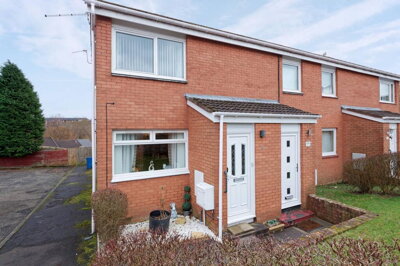
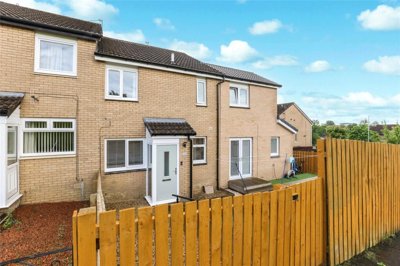
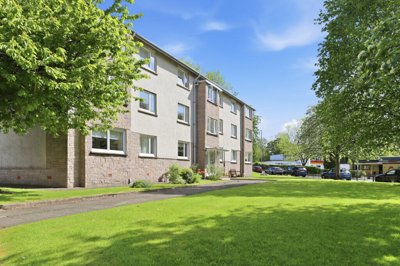
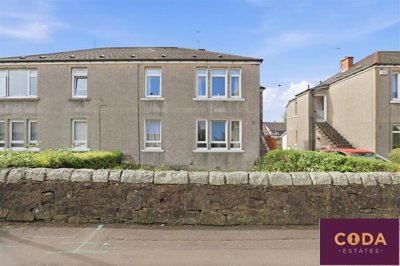
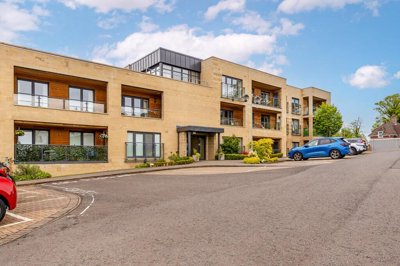
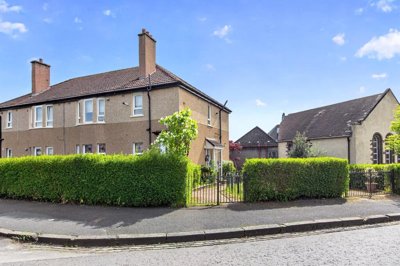
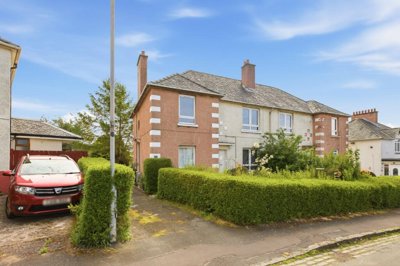
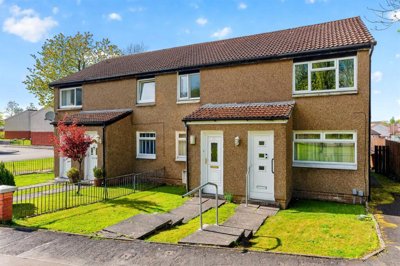
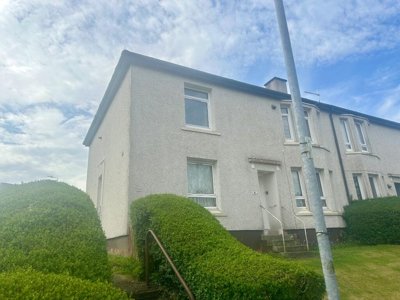
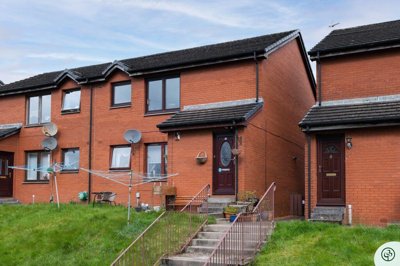
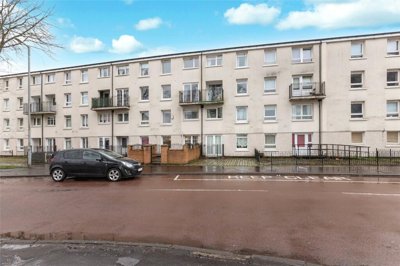
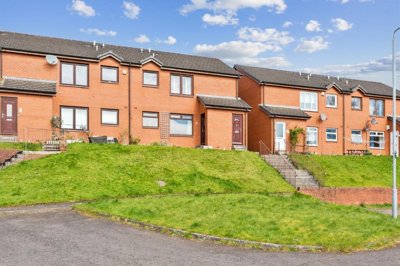
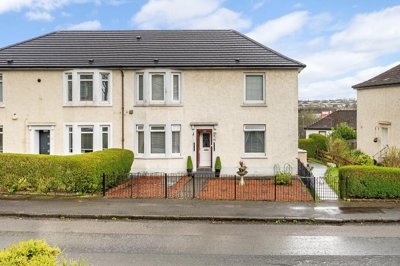
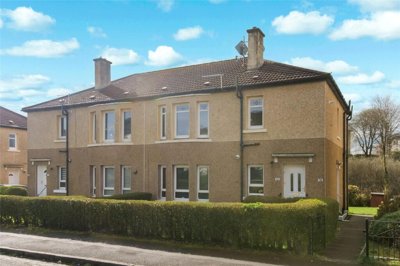
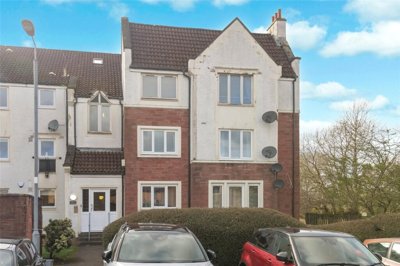
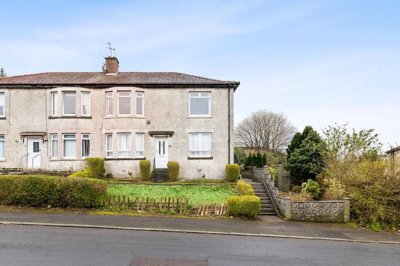
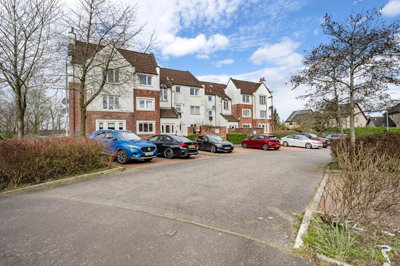
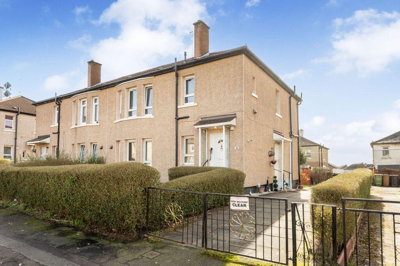
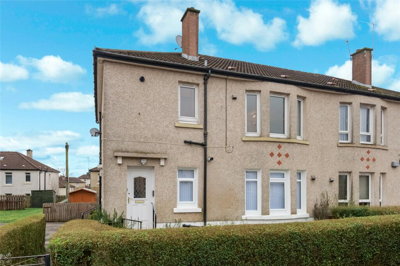
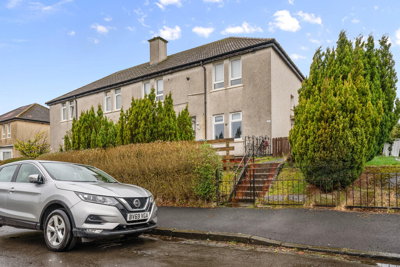
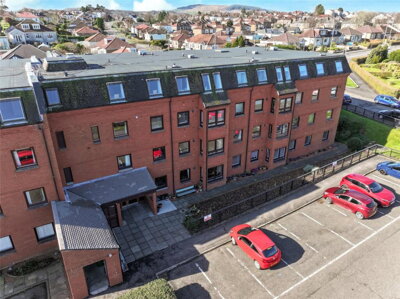
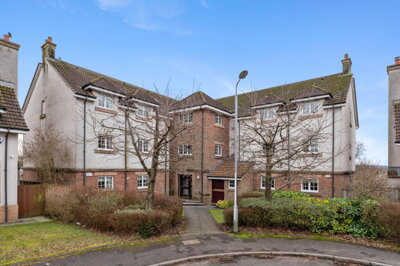
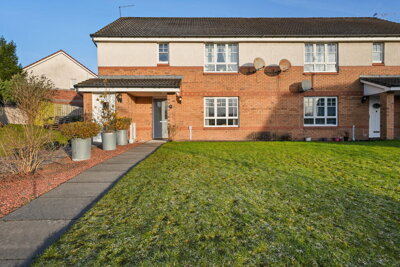
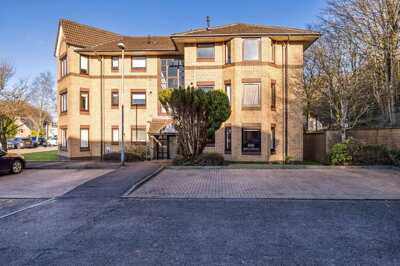
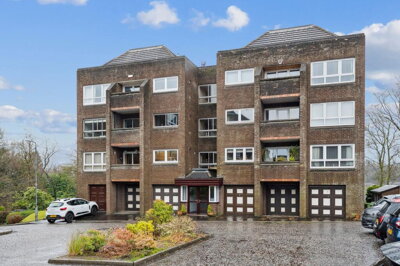
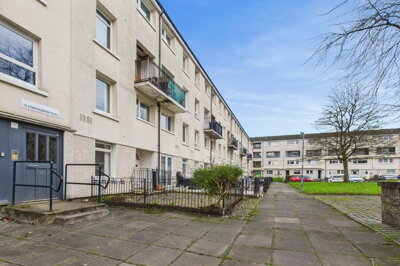
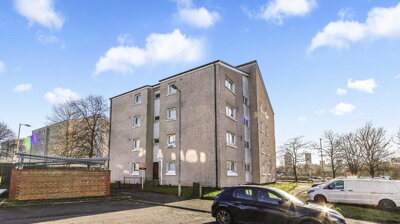
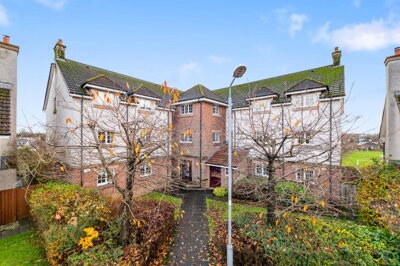
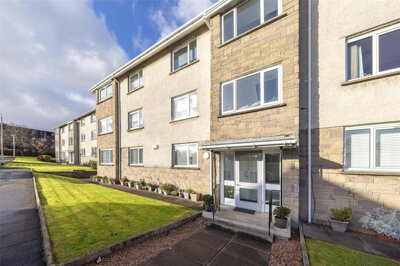
Browse 29 homes for sale in G23 from local estate agents.
The 2 bed flat sector typically includes two separate bedrooms, dedicated living areas, and bathroom facilities. Properties in G23 span purpose-built blocks, converted period houses, and modern apartment complexes on various floors.
£110k
3
0
44
Source: home.co.uk
Showing 3 results for 2 Bedroom Flats for sale in G23. The median asking price is £109,999.
Source: home.co.uk
Flat
3 listings
Avg £105,000
Source: home.co.uk
Source: home.co.uk
Over the past twelve months, the G23 property market has shown real resilience, with sold prices rising 26% against the previous year. That has lifted the current average sold price to about £210,709, according to homedata.co.uk property data, a 16% jump from the 2023 peak of £167,139. The numbers point to strong buyer demand and growing confidence in Glasgow's western neighbourhoods as long-term investment spots. home.co.uk gives a similar average of £193,403, and records over 1,400 property sales in the postcode over the same period.
Homes in G23 cover a wide spread of needs and budgets. Detached properties sit at the top end, averaging around £408,192, which suits families wanting more room and garden space. Semi-detached homes come in at approximately £205,089, terraced properties at around £185,114, and flats average approximately £103,142. That makes flats a practical entry point for buyers moving into this sought-after postcode, or for those after city-centre convenience.
Transaction levels in G23 underline how active the area is, with home.co.uk recording 1,452 completed sales and homedata.co.uk showing data for over 3,500 properties in its sold prices database. It is a market with enough movement for buyers to find the right fit and for sellers to reach fair values. New build activity still draws attention too, although the details change from one neighbourhood to the next within G23.

G23 includes some of Glasgow's most distinctive neighbourhoods, each with its own feel, yet all tied together by strong connectivity and useful amenities. Around 7,135 residents live here, based on the 2011 Scotland Census, which helps give the district a settled, close community feel where local businesses matter. Most of the housing is residential, mixing traditional tenements with Victorian and Edwardian architecture, and that gives the postcode plenty of character.
Kelvingrove Park acts as a green centre for G23 residents, with open space for walks, dog walking, and quiet time across the year. The River Kelvin cuts through the area, offering pleasant walking and cycling routes that link neighbourhoods and provide a break from the city pace. Culture is close by too. The Kelvingrove Art Gallery and Museum sits just beyond the postcode boundary, while the Botanic Gardens on the adjacent boundary covers 27 acres of landscaped gardens and glasshouses.
Day-to-day living in G23 is supported by shops, cafes, restaurants, and the usual essential services. Residents get a mix of independent traders and familiar chain names, so there is a decent amount of choice for shopping and eating out. Byres Road, partly within the G23 boundary, is known for its varied boutiques, bookshops, and eateries, while Dumbarton Road brings practical services such as supermarkets and pharmacies. Strong community ties, useful local facilities, and access to major cultural venues make G23 a very attractive place to live.
Life in the West End, as felt in G23, combines cultural polish with ordinary day-to-day convenience. People here have quick access to theatres, cinemas, galleries, and regular farmers markets. The mix of residents is broad, from students to retirees, with most drawn by the area's character. Weekends often centre on the parks, cafes, and local events that give G23 its own identity.

For families looking at this Glasgow postcode, education is a major reason to consider G23. Several well-regarded primary schools serve the area, including those on Dumbarton Road, which look after the immediate local community. Wider West End catchment primaries often achieve strong inspection ratings, which gives parents confidence at the early years stage. Many buyers focus on G23 specifically for particular school catchment areas, and that tends to keep values solid in those streets.
Secondary schooling is also a strength in the surrounding area, with several schools earning strong reputations. West End catchment schools regularly sit among Glasgow's better-performing secondaries, with good academic results, plenty of extracurricular activity, and a supportive atmosphere. Families should check the latest catchment boundaries and admission rules with Glasgow City Council, as these can shift the value of individual streets and influence buying choices quite a bit.
G23 is also well placed for further and higher education. The University of Glasgow's Gilmorehill campus sits close to the G23 boundary, which makes the area appealing to university staff and postgraduate students who want an easy commute. Glasgow Kelvin College adds local further education options, while the wider city gives access to major universities and specialist training providers. Across all ages and stages, the area performs strongly on education.
There are also private school options within reasonable travelling distance of G23 for families who prefer independent education. These range from prep schools for younger children through to senior schools with substantial facilities and strong academic records. From G23, the transport links make school runs manageable for working parents who want the flexibility of the West End while keeping a wider choice of education in reach.

Transport is one of G23's biggest strengths, which makes the postcode especially handy for commuters and anyone travelling often for work or leisure. Partick station acts as a major hub on the G23 boundary, with frequent trains to Glasgow Central and Glasgow Queen Street. Journey times to the city centre are usually under ten minutes, so the whole downtown core is close. The station also links into the Subway, giving another fast way across the city.
Glasgow's Subway, the city's underground network, gives G23 residents simple access to destinations across Glasgow. Partick Underground Station on the boundary connects to both the North and South lines, while nearby stations widen coverage across the West End. Bus services are plentiful too, with numerous routes offering a dependable alternative to rail and reaching places the Subway does not cover. The Integrated Ticketing system helps make different transport modes work together.
Drivers in G23 benefit from close access to key roads such as Dumbarton Road and Great Western Road. Those routes feed into the M8 motorway, so Edinburgh, Stirling, and the wider network are straightforward to reach. Glasgow International Airport is around eight miles west and can be reached via the M8 and the airport link roads. For commuters, business travellers, and anyone with family elsewhere in Scotland, that level of connection is a major plus.
Cycling works well in G23 too. Several main routes have dedicated lanes, and the traffic-free paths along the River Kelvin give residents a calmer alternative to the roads. Glasgow's growing cycle network keeps improving links for people who prefer active travel. Secure bike storage at Partick station also makes mixed journeys practical for those combining cycling with public transport.

We usually suggest starting with current listings on the major portals and estate agent websites. Knowing the price bands, from flats around £103,142 up to detached homes averaging £408,192, helps set realistic expectations from the outset. It is worth visiting the area at different times of day and on different days of the week to get a proper feel for noise, atmosphere, and how the neighbourhood works. Register with several estate agents in the West End as well, so early listings reach you before they hit the public portals.
Before any viewings, speak to a lender and secure an Agreement in Principle. It tells you how much could be borrowed and gives weight to any offer you make. With G23 prices spread so widely, that figure helps focus the search on homes that are actually within reach. Several online mortgage brokers can quote without affecting your credit rating. Having a mortgage decision in principle also shows sellers that you are serious and ready to complete.
Once suitable homes are on the table, book viewings through the estate agents listing on Homemove. Seeing several properties side by side makes it easier to judge quality, condition, and value. Natural light, storage, and any signs of maintenance trouble deserve attention. For leasehold properties, ask about service charges, ground rent, and any planned works. In tenement flats, we always ask about recent maintenance decisions, any outstanding works, and the condition of shared parts such as the roof and common stairs.
Before you commit, arrange a RICS Level 2 Survey, also known as a Homebuyer Report, so the property's condition is properly assessed. Because G23 includes older tenements and period homes, surveys often pick up issues that are worth dealing with before exchange. The report can help with negotiation if defects appear and gives a clearer picture of what you are buying. In West End properties, common findings include roof condition, damp penetration, electrical safety, and the state of original period features.
Choose a conveyancing solicitor to deal with the legal side of the purchase. They will carry out searches, check the contracts, and work with the seller's legal team. In Glasgow's West End, those searches usually cover local authority records, environmental information, and any conservation area restrictions that apply. The solicitor should keep you updated as things progress. Budget for fees of typically £500 to £1,500, depending on the property's value and how complex the transaction is.
After the survey comes back satisfactory and the legal searches are complete, your solicitor will arrange contract exchange with the seller's team. At that stage, a deposit, usually 10% of the purchase price, becomes due. Completion dates are agreed, and on the day itself the remaining money is transferred and ownership passes to you. You are then a G23 homeowner. Do not forget removal costs, possible redecoration, and a contingency fund for unexpected work after moving in.
Buying in G23 means paying close attention to a few area-specific issues that can have a big effect on ownership. Tenement buildings are common across the postcode, and they usually come with shared ownership arrangements in which all owners are responsible for the structure, roof, and common parts. Before buying a flat, look into the building's condition, the history of maintenance decisions, and any planned works that might lead to unexpected bills. Those possible costs need to sit alongside the purchase price in your budget.
Leasehold and freehold status also need careful checking when buying flats in G23. Many tenement flats are sold as leasehold, so you own the property for a set term but not the land beneath it. Ground rent and lease terms can influence future saleability and mortgageability. Check the remaining lease length, any ground rent obligations, and whether the lease can be extended. Freehold homes, where you own the land outright, usually cost more but give greater control. In Scotland, the common law system and title deeds documents set out your exact rights and responsibilities.
Energy efficiency varies a good deal across G23 because the housing stock ranges from traditional Victorian and Edwardian buildings to more modern homes. Older tenements may have solid walls instead of cavity wall insulation, which can mean higher heating bills. We would always check Energy Performance Certificate ratings carefully and think about the cost of upgrades. Homes with recent double glazing, improved central heating, and better insulation usually cost less to run and feel more comfortable. With current energy prices, an EPC assessment before purchase gives useful insight into running costs.
Many G23 properties sit within West End conservation considerations. The exact conservation area boundaries should be checked with Glasgow City Council, but the historic character of Victorian and Edwardian buildings means alterations often need consent. If renovations are on your list, allow time and budget for the permissions process. Original features such as sash and case windows, ornate cornicing, and period fireplaces are typical in G23, and they are often protected, which can restrict changes but also help preserve value.

Over the last twelve months, the average sold price for G23 properties is approximately £210,709, based on homedata.co.uk property data, while home.co.uk reports a similar average of £193,403. Prices vary sharply by type, with detached homes at around £408,192, semi-detached properties at approximately £205,089, terraced houses at £185,114, and flats at approximately £103,142. Recent activity shows a 26% rise year-on-year, which points to strong demand in this Glasgow postcode area. The 16% increase from the 2023 peak of £167,139 shows that values across the board have kept moving upwards.
Glasgow City Council sets council tax bands using property valuations from 1991. The bands run from A, for the lowest value properties, usually flats, through to H, the highest. In G23, most flats sit in bands A through C, while larger houses and detached homes may fall higher. A typical two-bedroom tenement flat in G23 would usually land in band A or B, with annual council tax of around £800-£1,000. Larger family homes and detached properties may sit in bands D through F. You can check the exact band through the Scottish Assessors Association website or on the property details.
Several well-regarded primary schools serve G23, including those on Dumbarton Road and nearby streets, which look after the immediate community. Secondary schools across the wider West End catchment include high-performing options with strong academic reputations and broad extracurricular programmes. Primary schools in the area regularly achieve favourable inspection ratings from Education Scotland, which gives parents confidence in the early years. Families should confirm current catchment boundaries with Glasgow City Council, since those decide which schools a child can attend. The University of Glasgow nearby also makes the area attractive to staff and postgraduate students who want a shorter commute.
Partick station sits at the centre of G23's public transport links, with direct trains to Glasgow Central and Queen Street in under ten minutes. There are Subway stations on the G23 boundary too, so rapid travel across the city is simple. Bus routes are extensive throughout the area, which adds more choice for getting about. Partick station also ties into the Subway network, so it works as a true multi-modal hub. Glasgow International Airport is around eight miles west and can be reached via the M8 motorway. For commuters and regular travellers, those links are a real advantage.
G23 has shown steady property price growth, with sold prices up 26% over the last year and now 16% above the previous 2023 peak. Strong transport links, good schools, cultural attractions, and proximity to the University of Glasgow all support ongoing demand from buyers and tenants. homedata.co.uk lists over 3,500 properties in its sold prices database for G23, which shows how active the market is. Lower-priced homes, especially flats around £103,142, may appeal to investors looking for rental income, given the demand from students and young professionals. As always, careful research and professional advice matter before you commit. The West End rental market benefits from constant demand from students, university staff, and young professionals drawn to the area's amenities.
Because G23 is in Scotland, Land and Buildings Transaction Tax, or LBTT, applies rather than Stamp Duty Land Tax. The residential LBTT rates for 2024-25 are 0% on the first £145,000, 2% on £145,001 to £250,000, 5% on £250,001 to £325,000, 10% on £325,001 to £750,000, and 12% on amounts above £750,000. A typical flat at around £103,142 would not attract any LBTT. A terraced property at £185,114 would attract about £800 in LBTT on the slice between £145,000 and £185,000. First-time buyers may qualify for relief on the first £175,000, which effectively raises the 0% threshold. Your solicitor can work out the exact LBTT due based on your price and circumstances.
Tenement flats dominate the G23 housing stock, so it pays to know the common issues before you buy. Check the condition of the common stairs, the roof, and any maintenance decisions recorded in the factor's minutes. Ask about outstanding service charges, planned major works, and how healthy the common repair fund is. Original features like sash windows, cornicing, and fireplaces bring character, but they can need ongoing maintenance. Also check the remaining lease length, if relevant, current ground rent obligations, and whether the title deeds allow alterations. A RICS Level 2 Survey can flag specific defects before you commit.
From 4.5% APR
Compare mortgage deals from leading lenders
From £499
Expert solicitors to handle your property purchase
From £350
Professional condition survey for G23 properties
From £60
Energy performance certificate for your property
Knowing the full cost of buying in G23 helps you budget properly and avoid surprises during the transaction. The main government tax is Land and Buildings Transaction Tax, which is Scotland's equivalent of stamp duty. For a typical flat in G23 priced around £103,142, LBTT would be zero under the current £145,000 threshold for residential properties. For a terraced property at £185,114, the bill would be about £800, based on the amount between £145,000 and £185,000 at 2%. Higher-value homes attract higher rates, up to 12% on amounts above £750,000.
Scotland gives first-time buyers extra relief, with the zero-rate threshold extended to £175,000. That relief is for buyers who have never owned residential property anywhere in the world. So, for example, a first-time buyer purchasing a semi-detached home at £205,089 would pay no LBTT on the first £175,000 and about £600 on the amount between £175,000 and £205,089. Detached homes averaging £408,192 would fall into several bands. Your solicitor will calculate the exact figure and include it in the completion statement.
Alongside LBTT, you should set aside money for solicitor fees, which usually sit between £500 and £1,500 depending on the property's complexity and value. Survey costs for a RICS Level 2 Homebuyer Report start from around £350, with specialist surveys costing more for larger or older homes. Land registry fees, mortgage arrangement fees, and sometimes mortgage broker fees add to the total. Removal expenses, possible redecoration, and a contingency fund for unexpected works after moving in should also be included. If the property is leasehold, ground rent and service charge obligations continue after purchase.
When setting your total budget, remember that extra costs can add 3-5% to the purchase price. A mortgage valuation fee, usually £150-£500 depending on the property's value, is often required by the lender. Life insurance and buildings insurance should already be in place from completion day. Moving costs, basic furniture purchases, and initial utility setup fees are easy to overlook, but they matter. Having a clear picture of all costs before bidding starts helps avoid the stress of surprise expenses later in the transaction.

Properties for Sale In London

Properties for Sale In Plymouth

Properties for Sale In Liverpool

Properties for Sale In Glasgow

Properties for Sale In Sheffield

Properties for Sale In Edinburgh

Properties for Sale In Coventry

Properties for Sale In Bradford

Properties for Sale In Manchester

Properties for Sale In Birmingham

Properties for Sale In Bristol

Properties for Sale In Oxford

Properties for Sale In Leicester

Properties for Sale In Newcastle

Properties for Sale In Leeds

Properties for Sale In Southampton

Properties for Sale In Cardiff

Properties for Sale In Nottingham

Properties for Sale In Norwich

Properties for Sale In Brighton

Properties for Sale In Derby

Properties for Sale In Portsmouth

Properties for Sale In Northampton

Properties for Sale In Milton Keynes

Properties for Sale In Bournemouth

Properties for Sale In Bolton

Properties for Sale In Swansea

Properties for Sale In Swindon

Properties for Sale In Peterborough

Properties for Sale In Wolverhampton

Enter your details to see if this property is within your budget.
Loans, cards, car finance
Estimated property budget
Borrowing + deposit
You could borrow between
Typical borrowing
Monthly repayment
Est. at 4.5%
Loan-to-value
This is an estimate only. Your actual budget may vary depending on interest rates, credit history, and personal circumstances. For an accurate affordability assessment, speak to one of our free mortgage advisors.
This calculator provides estimates for illustrative purposes only and does not constitute financial advice. Your home may be repossessed if you do not keep up repayments on your mortgage. Estimates based on 4.5% interest rate, repayment mortgage. Actual rates depend on your circumstances.
Homemove is a trading name of HM Haus Group Ltd (Company No. 13873779, registered in England & Wales). Homemove Mortgages Ltd (Company No. 15947693) is an Appointed Representative of TMG Direct Limited, trading as TMG Mortgage Network, which is authorised and regulated by the Financial Conduct Authority (FRN 786245). Homemove Mortgages Ltd is entered on the FCA Register as an Appointed Representative (FRN 1022429). You can check registrations at NewRegister or by calling 0800 111 6768.

We use cookies to show you personalised content and improve your experience of our website. Find out more in our Privacy policy and Cookie policy.