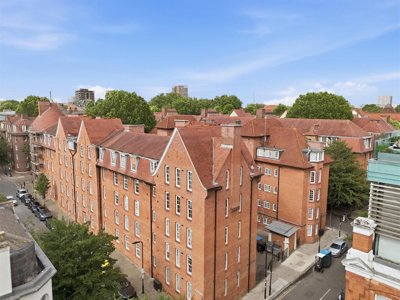
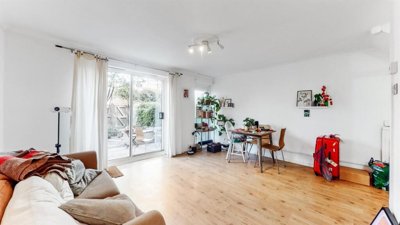
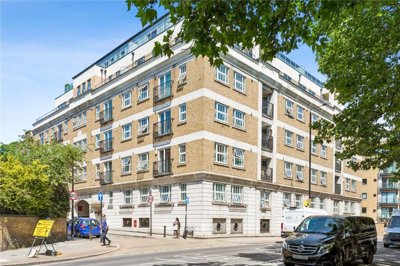
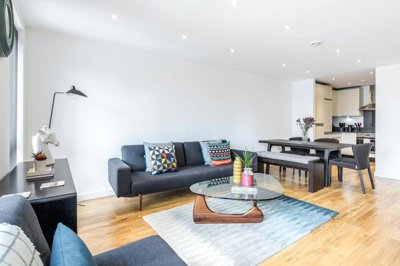
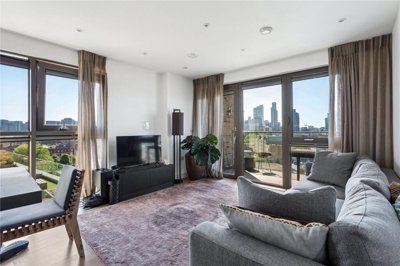
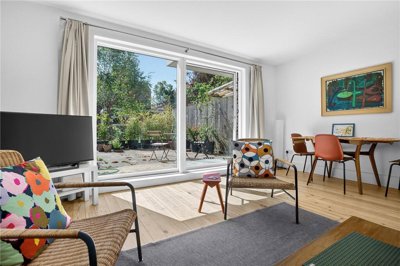
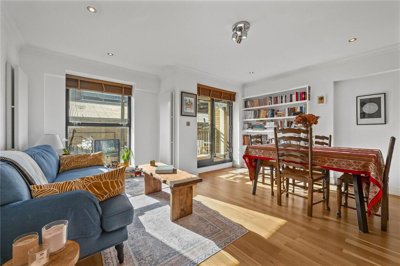
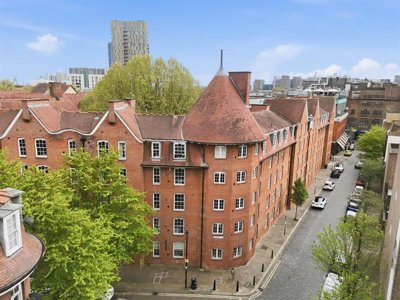
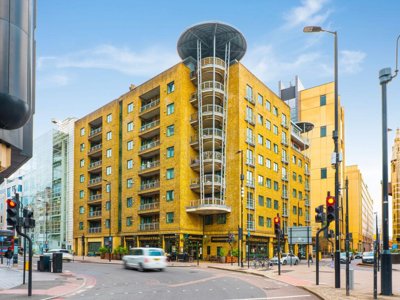
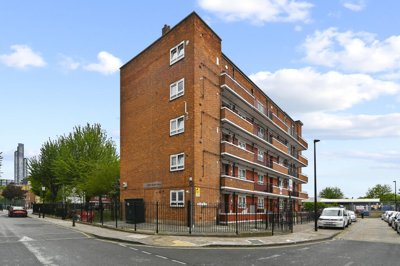
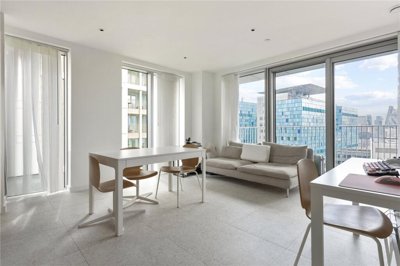
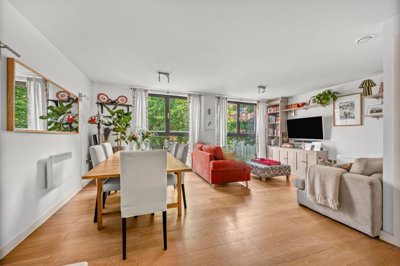
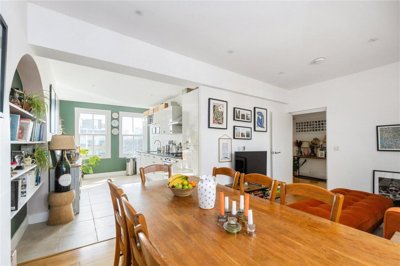
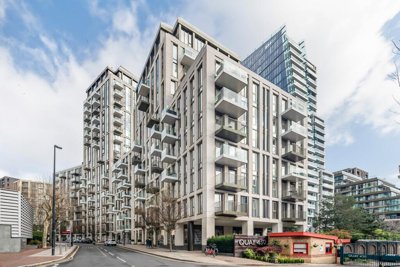
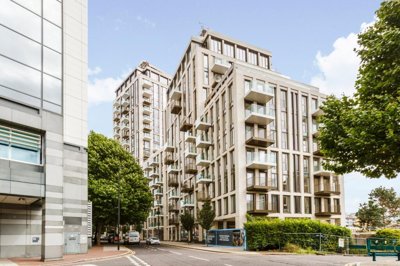
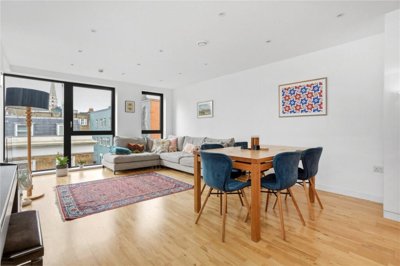
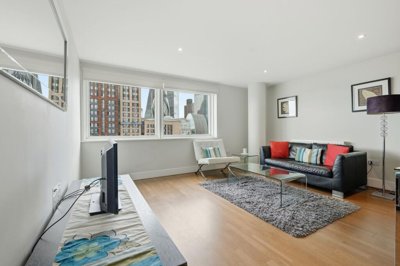
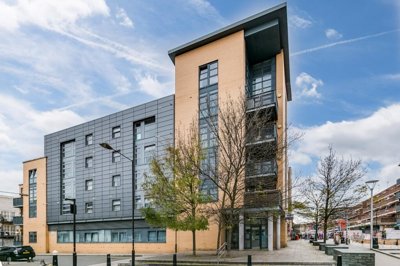
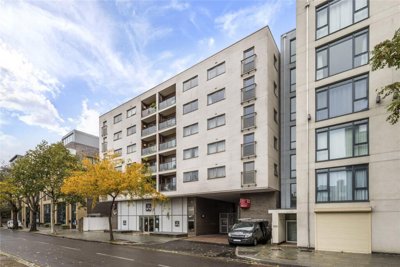
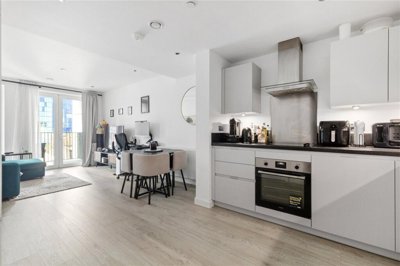
Browse 1,611 homes for sale in EC3A from local estate agents.
Studio apartments feature open-plan living spaces without separate bedrooms, incorporating sleeping, living, kitchen, and bathroom facilities. The EC3A studio market includes properties in modern apartment complexes, converted Victorian and Georgian buildings, and purpose-built developments.
£525k
1
0
196
Source: home.co.uk
Showing 1 results for Studio Flats for sale in EC3A. The median asking price is £525,000.
Source: home.co.uk
Flat
1 listings
Avg £525,000
Source: home.co.uk
Source: home.co.uk
EC3A plays by different rules from a typical London residential postcode. Sitting right in the financial heart of the capital, it has very little space given over to homes, so the stock is almost all flats and apartments, from converted units in historic commercial buildings to modern luxury apartments in contemporary mixed-use developments. Flats currently sit between £850,000 and £900,000 on average, although condition, specification and lease terms can move that figure around quite a lot. Stock is scarce, properties seldom reach the open market, and early sight of new listings through platforms like Homemove matters if we are serious about buying here.
Market activity across the wider City of London has tended to move in small steps rather than sharp swings. One quarter may bring a touch of growth for a particular property type, the next a bit of stabilisation. EC3A’s commercial focus keeps transaction volumes low beside other London boroughs, and residential sales are often folded into broader City figures because completed deals are so few. That shortage feeds values directly. Demand from high-earning City professionals keeps running ahead of supply, and both investors and owner-occupiers are drawn to the status of an EC3A address even when the wider market feels uncertain.
New residential development in EC3A is about as rare as it gets. The area’s long-established commercial character, combined with the lack of developable land, means purpose-built residential schemes are almost unheard of in the postcode. Any fresh units usually arrive as part of larger mixed-use projects, which only adds to the sense of exclusivity. Buyers looking for brand new homes have very few options, so attention often shifts to high-quality refurbished apartments in period buildings that mix character with modern standards of living.

EC3A offers a kind of city living that few London postcodes can match. It sits within the ancient City of London, where streets have seen commerce and trade for more than a thousand years. Leadenhall Market, with its Victorian architecture and ornate covered arcade, gives the area its own daily rhythm, while the Tower of London and Tower Bridge are both close enough to feel part of the neighbourhood. The City’s residential population is intentionally small, about 9,000 to 10,000 people, so it feels surprisingly close-knit despite its global importance.
Residents in EC3A tend to be successful professionals in their thirties and forties, often working in finance, law or professional services within the City. High disposable incomes shape the local scene, supporting artisan coffee shops, fine dining and exclusive members clubs. Weekdays bring a rush of City workers onto the streets, then evenings and weekends settle into a much calmer pace. That contrast suits people who want both the pace of a major career hub and a quieter home life away from the crowds.
The architecture around EC3A tells the story of London itself, from medieval trading centre to global financial capital. Historic buildings in London stock brick and Portland stone stand beside modern glass towers, giving the streetscape real variety. The postcode falls within several conservation areas, including the Leadenhall Market Conservation Area and parts of the Bishopsgate Conservation Area, so development has to respect the historic setting. For residents, that means living among buildings of real architectural weight, and it is a big part of what makes the postcode so desirable.

Transport from EC3A is first-rate, which makes the area exceptionally well linked for travel in the UK and overseas. Multiple Underground stations sit close by, giving quick access to several tube lines. Bank station, one of London’s major interchange hubs, lies just beyond the EC3A boundary and connects to the Central, Northern, Waterloo and City, Jubilee and DLR lines. Aldgate and Aldgate East add the Circle, Metropolitan, Hammersmith and City and District lines, so getting across London is usually straightforward.
Fenchurch Street station serves EC3A directly, with c2c services into East London and Essex. Liverpool Street is also within easy walking distance, and from there Greater Anglia services reach East Anglia while the Stansted Express heads straight for the airport. Canary Wharf is about fifteen minutes away by Underground, and both the West End and the City Financial District can be reached within ten minutes. That level of connectivity goes a long way towards explaining the premium pricing, and it is a major reason professionals working across several London locations keep EC3A on their shortlist.
Road access is strong too, with EC3A close to the A10, A1211 and the eastern approaches into the City. The Congestion Charge zone boundary is nearby, and the Ultra Low Emission Zone covers the whole area, so drivers need to think about those costs as part of ownership. Cycling provision has improved steadily, with Santander Cycles docking stations dotted around the area and protected cycle lanes on main routes. For air travel, City Airport is reachable via the DLR, while Heathrow, Gatwick and Stansted can all be accessed by direct rail from nearby terminals.

Buying in EC3A calls for attention to a few area-specific issues that are quite different from a standard residential postcode. Nearly all of the homes are flats held on leasehold terms, so the lease needs a close reading before any offer is made. Lease lengths vary widely, and anything below eighty years can create problems with mortgage approval or resale later on. We would always look at the remaining term, ground rent and any scheduled rises, because those figures shape the true cost of ownership. Service charges in City apartments can also be heavy, reflecting both the standard of the buildings and the communal facilities on offer.
Because EC3A contains so many listed buildings and conservation areas, buyers need to understand what that means in practical terms. Grade I, Grade II and Grade II listed buildings have real historical value, but changes to them are tightly controlled. St Andrew Undershaft on St Mary Axe and St Katharine Cree on Leadenhall Street are good examples of the ecclesiastical heritage found across the area. Any alteration to a listed property needs consent from the City of London planning authority, which can add time and expense to a project. A specialist survey from a RICS-accredited surveyor with experience of historic buildings is a sensible step, as it highlights structural concerns, original features and any issues with modern building regulations.
Environmental factors matter here too, and buyers should not overlook them. The London Clay geology beneath EC3A brings a moderate to high shrink-swell risk for foundations, especially where mature trees are nearby or a property has a basement. Our inspectors often pick up movement-related defects in buildings sitting on clay soils, particularly where Victorian or Edwardian foundations are involved. Surface water flooding is the main flood risk in this part of the City, especially for basements and ground-floor flats during very heavy rain. The Thames flood defences offer protection from tidal flooding, but long-term flood risk assessments still deserve a look, and insurance needs to be available. Properties built from the 1960s to 1980s may also have external cladding systems that call for fire safety checks.

Our team has surveyed many EC3A properties, and we keep coming across issues that are tied to the buildings found here. In older converted homes dating from before 1919, damp is common, including rising damp in basement flats and penetrating damp through older brickwork. Original timber floor joists often show woodworm or rot where ventilation has been reduced by later alterations. Historic roofs also need careful attention, because deteriorating leadwork can allow water ingress that affects several floors at once.
The post-1980 apartment blocks that make up much of the newer stock have their own problems. We have seen water ingress around balcony junctions and window seals, and sound transfer between flats is still a regular complaint. Since Grenfell, external cladding systems on buildings from this period deserve particular scrutiny. We usually ask for paperwork showing any remedial works or fire safety assessments that have been completed on buildings inspected after Grenfell.
Some EC3A properties sit close enough to Underground lines to pick up vibration, especially around Bank station and its dense subterranean infrastructure. It is rarely a structural concern, but over time it can show up as small cosmetic cracks in plaster and drywall partitions. Much of the City also sits on made ground, so foundation conditions vary from one building to the next. Our surveyors pay close attention to any sign of settlement or subsidence during inspections.

Education in EC3A reflects the area’s very small residential population and the City of London’s own way of doing things. The City of London School for Girls, in the Barbican area, serves primary-aged girls and is among the capital’s most respected independent schools. The City of London School for Boys is on the South Bank and provides secondary education to boys from the City and surrounding boroughs. Both schools have strong academic reputations, so families moving here often take their proximity into account.
For children in state education, EC3A falls under the City of London local authority, which runs only a small number of schools for its resident population. Sir John Cass's Foundation Primary School serves the local community, while Tower Hamlets and Hackney nearby open up more state-school choices by public transport. Catchment areas need careful checking, as admissions in central London can be fiercely competitive and places are limited. Grammar schools in surrounding boroughs include the well-regarded schools in the London Borough of Bexley and other outer London areas, though entry usually depends on passing the eleven-plus examination.
For older students and adults, the educational opportunities around EC3A are excellent. The University of London and its constituent colleges are within easy reach, as are specialist institutions such as the London School of Economics, University College London and King's College London. The City itself has professional and continuing education routes linked to the financial and legal sectors, which makes EC3A a strong base for people working towards professional qualifications. Families should start school admissions applications well ahead of time, especially where oversubscribed independent schools require entry assessments.

Before viewing anything, spend a bit of time getting to know how the EC3A market behaves. Residential stock is scarce, so opportunities appear only occasionally, and preparation really matters. We suggest registering with local estate agents, setting up property alerts on Homemove, and keeping a close eye on market activity so that suitable homes can be spotted quickly when they do appear.
EC3A homes sit at premium price points, so a mortgage agreement in principle should be in place before viewings begin. We would speak to several lenders or brokers to compare rates for high-value central London purchases. The budget also needs room for stamp duty, solicitor fees, survey costs and the ongoing service charges that come with many City apartments.
Once a suitable property is found, viewings can be arranged through the listing agent or Homemove. For older converted flats or listed buildings, we would usually commission a RICS Level 2 Survey from a surveyor who knows historic City properties well. That assessment picks up structural issues, maintenance concerns and defects linked to the building’s age. Our team typically charges between £500 and £900 for a City apartment survey, which reflects the specialist knowledge involved.
It makes sense to choose a conveyancing solicitor with City of London property experience. Leasehold apartments bring extra layers to the legal work, from checking the lease terms to gathering information from the freeholder or management company and confirming compliance with any property-specific conditions. City of London leaseholds can also carry unusual covenants, so a careful review is important.
Once the survey reports read well and the legal enquiries are answered, our solicitor moves things to exchange, which ties the buyer into the purchase. A deposit is then paid, with the rest of the money due on completion day when the keys are handed over. For leasehold property, the freeholder or management company also needs to be told about the change of ownership.
Budgeting for an EC3A purchase means looking well beyond the headline price. Stamp duty land tax is usually the biggest extra cost, and the current thresholds apply to transactions completing from October 2021 onwards. For a typical EC3A flat priced at £875,000, the whole purchase price sits within the 5% band for the portion between £250,001 and £925,000, which gives an SDLT bill of about £31,250 for standard buyers. For a second home or a company purchase, the extra 3% surcharge takes that to around £38,750.
First-time buyers can benefit from relief that lifts the nil-rate threshold to £425,000, with 5% charged between £425,001 and £625,000. There is no relief above £625,000, so full SDLT applies to the total purchase price. At £875,000, a first-time buyer would pay about £21,250 in stamp duty. Solicitor and conveyancing fees for a City of London property usually fall between £1,500 and £3,000, reflecting the extra work often involved with leasehold titles and historic buildings.
Survey costs need separate attention in EC3A because of the kinds of properties found here. A RICS Level 2 Survey from a surveyor experienced with central London buildings normally costs between £500 and £900, depending on size and complexity. For converted period properties or listed buildings, the fee often sits towards the top of that range because the work is more specialist. Mortgage arrangement fees can run from £0 to £2,000 depending on the lender, and valuation fees are often charged separately. Buildings insurance quotes should be gathered early, as City apartments may need specialist cover, and the monthly service charge should be checked alongside any major works contributions that might be coming up.
The average price for flats in EC3A currently runs from £850,000 to £900,000, based on recent sales data gathered from the wider City of London area. Even so, prices move around quite a bit depending on size, condition, lease terms and exactly where the property sits in the postcode. Detached, semi-detached and terraced homes are extremely rare, or simply non-existent, in this commercial district, so apartments make up virtually the entire residential stock. Those prices are driven by the prestige of the location, the limited supply, and the premium buyers pay to be in London’s financial heart.
Properties in EC3A fall within the City of London local authority council tax scheme. Council tax bands in central London can sit among the highest in the country, though the exact band depends on the property’s valuation. The City of London keeps its own valuation list, separate from most other London boroughs, so buyers should check the banding with the local authority or during conveyancing. High-value apartments and penthouses may fall into the upper bands.
The EC3A area is served by the City of London local education authority, and that includes Sir John Cass's Foundation Primary School for younger children. For secondary education, many families look at independent schools such as the City of London School for Girls and the City of London School for Boys. Tower Hamlets and Hackney nearby add more state-school choice, while grammar schools in outer London remain accessible for families willing to travel. LSE, UCL and King's College are all close enough to make the area appealing to households with older children heading into higher education.
EC3A is extremely well served by public transport, with Bank, Aldgate and Aldgate East all within walking distance. Those stations open up the Central, Northern, Circle, Metropolitan, District and Hammersmith and City lines, as well as the DLR. Fenchurch Street handles c2c rail services, and Liverpool Street brings Greater Anglia services plus the Stansted Express. In practical terms, car-free living works well for most residents, and our team often points out that the transport links help justify the premium property values in this part of the City.
EC3A has a lot to offer property investors, not least strong capital values driven by limited supply and steady demand from high-earning City professionals. A City of London address carries real prestige, and well-kept leasehold apartments can bring reliable rental income because City workers want premium accommodation close to work. Investors still need to watch service charges, lease terms and the costs of dealing with listed or historic buildings. Low transaction volume can make resale less fluid, so this is better suited to long-term holding than quick trading. Our inspectors have seen historic conversions where hidden maintenance problems caught investors out, which is why a thorough pre-purchase survey is so valuable.
Stamp duty land tax on a property priced at £850,000 to £900,000 falls into the 5% band for the portion between £250,001 and £925,000. On a property priced at £875,000, that works out at about £31,250 in SDLT before any reliefs are applied. First-time buyers may qualify for relief on homes up to £625,000, bringing the cost down to around £21,250 for those who qualify. The extra 3% surcharge applies to second properties and overseas buyers. Our solicitor would calculate the exact figure for the buyer’s circumstances and deal with the current thresholds.
Because so many EC3A homes are converted from older buildings and because listed properties are common, a RICS Level 2 Survey is a sensible choice for most purchases. That survey usually costs between £500 and £900 for a City apartment, reflecting the higher cost of surveying in central London. For older converted properties or listed buildings, a RICS Level 3 Building Survey gives a much more detailed read on construction and condition. Our team looks out for damp, structural movement linked to clay soils, roof condition and any issues with modern cladding systems. The Level 3 survey is especially useful in conservation areas where alterations may have been carried out without proper consent.
The main risks in EC3A are tied to leasehold structure and building condition rather than the location itself. Short leases below eighty years can hit both mortgageability and future saleability, so we would always check the remaining term before going further. In converted period properties, hidden defects such as outdated electrics, compromised plumbing and timber rot often appear during surveys. Buildings on London Clay can show subsidence, particularly where mature trees are nearby or drainage has been changed. Surface water flooding affecting basements and ground floors has become more common with climate change, and buyers should check that insurance is available for higher-risk properties.
From £500
A detailed inspection of the property condition, ideal for flats and apartments in EC3A. Our inspectors look at structure, damp, roofing and the smaller issues that often matter most in a City flat.
From £900
A fuller building survey for older conversions and listed buildings. We go into defects in detail and can talk through renovation points afterwards.
From 4.5% APR
Specialist mortgage advice for high-value London homes. Our brokers work through the options and search for competitive rates for EC3A purchases.
From £499
Experienced property solicitors handling City of London leasehold transactions. We carry out careful due diligence on historic properties and the paperwork that comes with them.
From £85
Energy Performance Certificate required for every property sale. We offer a quick turnaround for EC3A homes.
Properties for Sale In London

Properties for Sale In Plymouth

Properties for Sale In Liverpool

Properties for Sale In Glasgow

Properties for Sale In Sheffield

Properties for Sale In Edinburgh

Properties for Sale In Coventry

Properties for Sale In Bradford

Properties for Sale In Manchester

Properties for Sale In Birmingham

Properties for Sale In Bristol

Properties for Sale In Oxford

Properties for Sale In Leicester

Properties for Sale In Newcastle

Properties for Sale In Leeds

Properties for Sale In Southampton

Properties for Sale In Cardiff

Properties for Sale In Nottingham

Properties for Sale In Norwich

Properties for Sale In Brighton

Properties for Sale In Derby

Properties for Sale In Portsmouth

Properties for Sale In Northampton

Properties for Sale In Milton Keynes

Properties for Sale In Bournemouth

Properties for Sale In Bolton

Properties for Sale In Swansea

Properties for Sale In Swindon

Properties for Sale In Peterborough

Properties for Sale In Wolverhampton

Enter your details to see if this property is within your budget.
Loans, cards, car finance
Estimated property budget
Borrowing + deposit
You could borrow between
Typical borrowing
Monthly repayment
Est. at 4.5%
Loan-to-value
This is an estimate only. Your actual budget may vary depending on interest rates, credit history, and personal circumstances. For an accurate affordability assessment, speak to one of our free mortgage advisors.
This calculator provides estimates for illustrative purposes only and does not constitute financial advice. Your home may be repossessed if you do not keep up repayments on your mortgage. Estimates based on 4.5% interest rate, repayment mortgage. Actual rates depend on your circumstances.
Homemove is a trading name of HM Haus Group Ltd (Company No. 13873779, registered in England & Wales). Homemove Mortgages Ltd (Company No. 15947693) is an Appointed Representative of TMG Direct Limited, trading as TMG Mortgage Network, which is authorised and regulated by the Financial Conduct Authority (FRN 786245). Homemove Mortgages Ltd is entered on the FCA Register as an Appointed Representative (FRN 1022429). You can check registrations at NewRegister or by calling 0800 111 6768.

We use cookies to show you personalised content and improve your experience of our website. Find out more in our Privacy policy and Cookie policy.