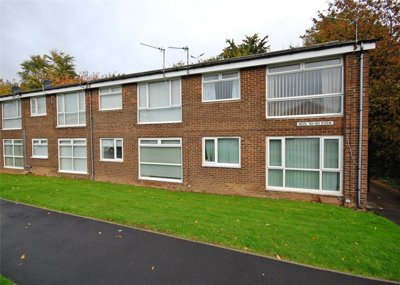
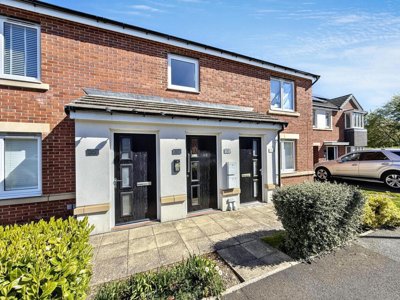
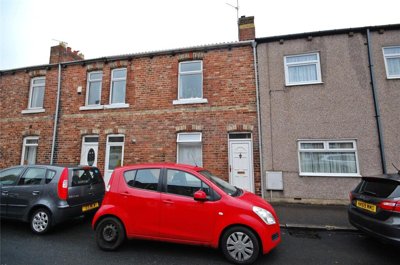
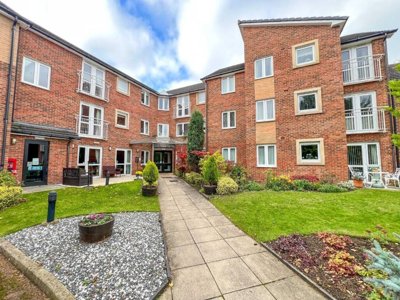
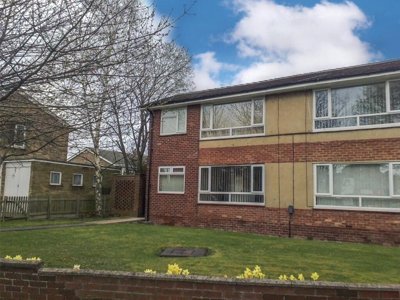
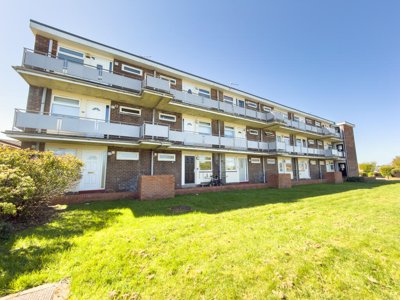
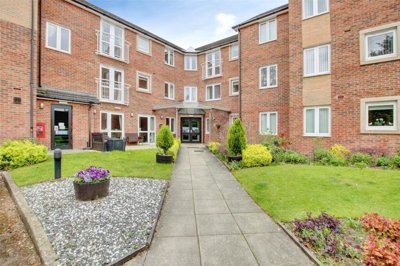
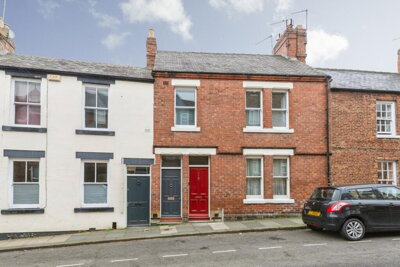
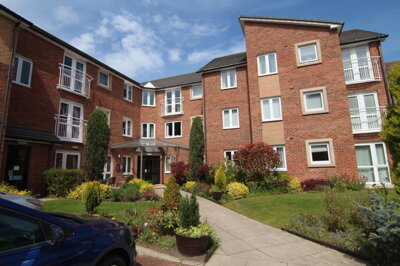
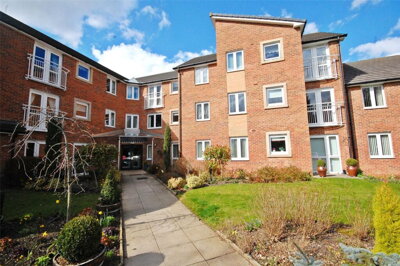
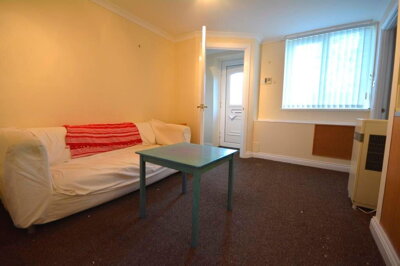
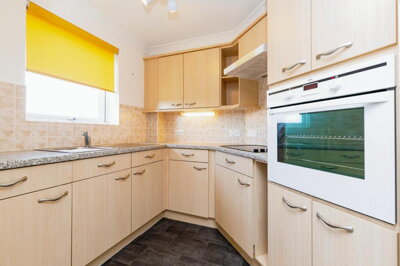
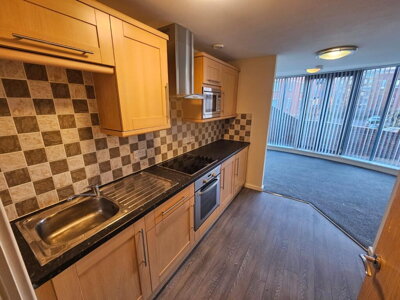
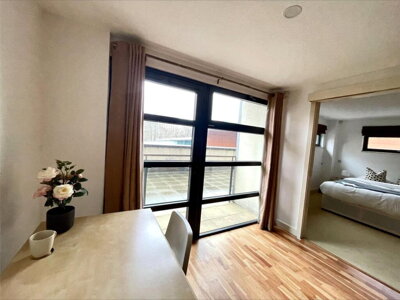
Browse 14 homes for sale in Durham, County Durham from local estate agents.
One bed apartments provide a separate bedroom alongside distinct living space, bathroom, and kitchen areas. Properties in Durham are available in various building types including mansion blocks, contemporary developments, and house conversions.
£173k
2
0
426
Source: home.co.uk
Showing 2 results for 1 Bedroom Flats for sale in Durham, County Durham. The median asking price is £173,000.
Source: home.co.uk
Flat
2 listings
Avg £173,000
Source: home.co.uk
Source: home.co.uk
The Durham property market remains resilient and varied, with detached homes fetching the highest prices at an average of £657,821, a reflection of the space and privacy these properties bring. Semi-detached houses, which make up the largest share of housing stock across County Durham at 38.2 percent, average £355,968 and offer strong value for families looking for decent room sizes and gardens. Terraced properties, averaging £373,688, are still a draw for first-time buyers and investors, especially for those after homes close to the university or city centre, where period character and convenient locations go hand in hand.
New build schemes are still reshaping Durham, with Bishop's Walk by Miller Homes offering three to five-bedroom homes priced from £221,000 to £495,000, while Barratt Homes' Old Durham Gate gives buyers options from £133,000 to £429,995. Sniperley Park, on Durham's northern-western edge, is one of the more substantial new communities, pairing conversions of four nineteenth-century farm buildings with contemporary homes. Bellway's DH1 and The Green at DH1 bring together two to five-bedroom properties for private sale and affordable housing, and around two-thirds of the homes in the DH1 phase form part of Bellway's accessible Life collection, built for adaptable living.
Trinity Mews, on the outskirts of Durham city, gives buyers a route into custom build, with nine fully serviced plots available for self-build or custom-build homes through a partnership between Durham County Council and Custom Build Homes. For people who want full control over specification and design, it is a very different proposition. The wider County Durham housing market recorded 12,600 property sales in the previous twelve months, and sales were down by 17.2 percent as conditions settled after the pandemic period surge.

Durham has a special place among English cities. Its medieval core is dominated by the UNESCO World Heritage Site of Durham Castle and Cathedral, built from locally quarried sandstone that gives the city its distinctive golden tone. The River Wear loops around the peninsula formed by the river's oxbow, creating scenic walks and green space that residents use all year round. Ancient architecture sits alongside modern facilities, including the Gala Theatre, Durham University Botanic Garden, and extensive parks for all ages.
County Durham's population of approximately 538,000 includes around 20,616 residents within Durham city itself, while the university student population of nearly 19,000 has a major effect on local life and the private rental sector. Durham University students create steady demand for rental accommodation, with approximately 11,882 students living outside colleges in rented properties, which opens up buy-to-let opportunities. Across the county, communities range from market towns such as Barnard Castle to former mining villages, each with its own character and amenities.
The local economy is supported by Durham University as a major employer, alongside healthcare services and the County Durham Inclusive Economic Strategy, which targets 10,000 new jobs over the coming years. That programme is intended to raise the number of professional roles across the county, and housing demand should follow. Residents have access to supermarkets, independent shops, healthcare facilities, and leisure centres serving both city and county. Affordable prices, strong transport links, and a good quality of life make Durham appealing to buyers who want value without giving up access to work and amenities.

Education in Durham runs from nursery through to higher education, with Durham University established as one of Britain's prestigious ancient institutions, dating back to 1832. Students arrive from around the world, and the university operates several colleges across the city, shaping Durham's cultural and intellectual life. For families with school-age children, County Durham offers a mix of primary and secondary schools, with Ofsted ratings helping parents judge local standards and catchment areas often proving crucial when places are limited.
The area offers several different educational routes, including grammar schools for academically selective pupils, comprehensive schools serving wider communities, and faith schools that reflect local traditions. Durham School is a well-known independent choice, while Consett and Newton Aycliffe nearby also host additional educational facilities. Further education colleges across County Durham provide vocational qualifications and apprenticeships as well as traditional A-level courses.
Parents looking at property here should remember that school catchments can have a real effect on property values and family priorities, so proximity to strong schools matters when house hunting in Durham. Outwood Academy communities serve a number of areas across the county, while faith-based schools linked to local churches provide another route. The university's influence goes well beyond higher education too, with Durham University School of Education providing teacher training and community engagement programmes that benefit the wider region.

Transport links in Durham are excellent for commuters and visitors alike. Durham railway station offers direct services to major destinations including London King's Cross, Edinburgh, Newcastle, and Sheffield. Newcastle is around 15 minutes away by train, putting the city firmly within the North East commuting belt. The East Coast Main Line gives reliable intercity connections, while local services link Durham with towns across County Durham and beyond. Bus routes operated by various providers connect the city centre with surrounding suburbs and villages, and the Park and Ride scheme helps keep city centre traffic under control.
Road access is just as strong. The A1(M) runs to the west of Durham and links to Leeds, Newcastle, and the wider national motorway network. The A177 passes through the city towards Newton Aycliffe, and the A688 provides routes into Teesdale. Newcastle International Airport can be reached within 40 minutes, with domestic and international flights available. Cyclists benefit from growing cycle networks, especially along the River Wear, and the compact city centre means many residents still prefer to walk.
People commuting to Newcastle are well placed from Durham, with regular train services making day-to-day travel realistic for those working in the larger city. The University Hospital of North Durham and other major employers are easy to reach by public transport or car, which helps keep journey times down for healthcare staff and other professionals. Newcastle Road, Durham County Hospital, and Howlands all have Park and Ride facilities, a practical way to get into the city centre without paying parking charges or sitting in traffic.

Browse online listings and go to viewings to see what £373,688 terraced homes and £657,821 detached properties actually buy in different parts of Durham. Think about schools, transport links, and whether the historic feel of city centre streets matters more than the newer schemes on the edge of town. Our platform brings together properties listed by local estate agents across Durham and the surrounding villages.
Speak to lenders or use Homemove's mortgage comparison service to secure an agreement in principle before you make an offer. With Durham's average price at £439,799, most buyers will need a mortgage, and having that financial approval strengthens a buyer's position against other purchasers. Mortgage brokers who know the Durham market can talk through products for different property types, including older sandstone homes that may need specialist lending criteria.
View homes that match the brief, and take the time to see the local area at different times of day. In Durham, it makes sense to pay close attention to flood risk near the River Wear and to the condition of older sandstone properties that may need maintenance. Our inspectors often find that repeated visits, including evenings and weekends, reveal different sides of a neighbourhood and problems that do not show up on a single daytime viewing.
Before you complete a purchase, arrange a professional survey to spot structural issues, especially given Durham's mining history and older housing stock. Homemove offers Level 2 surveys in Durham from £395. With sandstone construction common and many homes in the city being quite old, our surveyors are used to picking up defects linked to traditional building methods in the North East.
Appoint a conveyancing specialist to handle the legal side of the purchase, including local searches for coal mining and environmental risks. The solicitor will work with the seller's representatives through to completion. For homes in Durham's conservation areas, or those with listed status, the solicitor will also deal with the extra paperwork that comes with those properties.
Once searches come back satisfactorily and finance is confirmed, the solicitor will exchange contracts and set a completion date. On completion day, the keys to the new Durham home are handed over. Our team can recommend local conveyancers with Durham transaction experience and knowledge of the requirements for properties in mining-affected areas.
Buyers in Durham should keep in mind a number of area-specific issues that can affect both the decision to buy and future running costs. The city's coal mining history means a CON29M Coal Mining Search is essential for any property, because mining subsidence is still a relevant environmental risk in parts of the area. Our surveyors regularly report that homes in former colliery villages around Durham city need careful checks for ground conditions and possible mining-related problems.
Clay-rich soils also mean clay shrink-swell should be checked, particularly where trees are nearby or the property sits on older, shallower foundations. Although the clay rocks in this region are generally older and less prone to shrink-swell than those in the south-east of Britain, individual homes can still face a greater risk of clay-related subsidence because of tree proximity and local meteorological conditions. Those searches can highlight ground hazards that may affect structural integrity and insurance costs.
Durham's conservation areas and high number of listed buildings call for close attention, with 458 listed structures within Durham city's boundaries alone. Of those, there are 47 Grade I listed buildings, 28 Grade II* listed buildings, and 383 Grade II listed structures, so any purchase in the historic core may involve listed property considerations. Properties in conservation areas may be subject to Article 4 Directions removing permitted development rights, which means planning permission is needed for works such as window replacements and boundary changes. Listed buildings need Listed Building Consent for any alterations, and standard surveys may not be enough for these homes.
The River Wear divides the city, so flood risk needs careful thought, especially for properties in low-lying areas. Buyers should look at flood risk assessments and consider surface water flooding in urban areas with extensive paving. Our inspectors check drainage systems and also note that hidden guttering behind parapet walls, common in Victorian and Edwardian properties, can cause unseen problems that affect structural elements.
Our inspectors regularly come across damp and moisture issues in Durham homes, including rising damp, penetrating damp, and condensation, especially in older or stone-built properties. Common causes include failed or bridged damp-proof courses, poor ventilation, and defective rainwater goods. Sandstone construction is traditional and full of character, but it needs proper moisture management because the permeable local sandstone can absorb water if maintenance is left undone.
Roof defects are another common survey finding in Durham, with missing or damaged tiles, sagging rooflines, leaks, and poor insulation appearing often. Many older homes were built for lighter clay tiles rather than modern concrete replacements, and our inspectors have seen roof spread where heavier tiles have been installed without the right structural reinforcement. Because so much of Durham's housing stock is older, roof maintenance has often been put off, so a thorough inspection matters.
Cracks and movement can range from minor cosmetic issues to signs of serious structural problems such as subsidence or settlement. Ground movement, foundation settlement in older homes with shallow foundations, and tree root damage are all possible causes. Our surveyors pay close attention to crack patterns and any sign of ongoing movement, especially in properties built on clay soils or in places affected by former mining activity. Any home with visible cracking should be checked by a qualified structural engineer before the purchase moves ahead.
Older Durham homes often have outdated electrical systems, and wiring over 25 years old can present fire hazards. Frequent fuse trips, burn marks on sockets, or flickering lights are all warning signs our inspectors look for during surveys. Many older properties also lack proper insulation, which leads to heat loss, higher energy bills, and condensation. For those homes, our inspectors can recommend an Electrical Installation Condition Report (EICR) alongside the survey.
For investors, Durham brings together several attractive factors, including relatively affordable average prices compared with national averages and a strong rental market driven by Durham University's student population. With approximately 11,882 students living outside college accommodation in rented properties, demand for good-quality rental housing stays steady. Our platform helps investors spot properties suited to the student rental market, including terraced homes near the university and city centre locations.
The County Durham Inclusive Economic Strategy is aiming to create 10,000 new jobs over the coming years, which may support housing demand and help property values edge higher. Historical property price data points to modest growth, with County Durham seeing a 7.7 percent price rise in the year to December 2025, while semi-detached properties rose by 8.7 percent and flats by 2.8 percent. That points to a market that has had some correction, but still shows underlying strength.
Investors should, however, weigh up local factors such as mining heritage, which may affect insurance costs, flood risk in some areas near the River Wear, and the concentration of listed buildings that can influence maintenance costs and permitted development opportunities. Renovation projects may offer a way to add value, but our surveyors often point out that older sandstone properties tend to need ongoing maintenance spending. Landlord licensing requirements and energy efficiency rules also keep changing, so professional guidance is useful for anyone new to the Durham market.

The average house price in Durham stands at approximately £439,799 according to recent home.co.uk listings data. Prices vary a good deal by property type, with detached homes averaging £657,821, semi-detached homes £355,968, and terraced properties around £373,688. Flats in the area average approximately £229,600 according to homedata.co.uk property data for County Durham. Over the past twelve months, prices have slipped by a modest 3 percent, which opens up more accessible entry points for buyers.
Council tax in Durham is set by Durham County Council, and bands run from A to H based on property valuation as of April 1991. A property's exact band can be checked on the gov.uk council tax pages or through local authority records. Band D is often used as the reference point, although individual homes may sit above or below that level depending on their assessed value. Buyers should confirm the council tax band for any specific property during conveyancing, because it forms part of the ongoing cost of owning a home.
Durham offers education options at every level, with Durham University among Britain's leading higher education institutions. For primary and secondary schooling, parents should look closely at current Ofsted ratings for schools across County Durham, because performance can vary from one institution to another. Grammar schools serve academically selective pupils, while comprehensive schools cater for broader communities. Catchment areas can also make a big difference to a neighbourhood's appeal, so they matter a great deal for families with children house hunting in Durham.
Durham railway station sits on the East Coast Main Line, with direct services to London, Edinburgh, Newcastle, and Sheffield, and Newcastle is reachable in about 15 minutes. The Park and Ride scheme gives convenient access to the city centre from outlying car parks. Bus services connect Durham with surrounding towns and villages across County Durham. Newcastle International Airport is within 40 minutes by road and offers domestic and international flights, while the A1(M) links Durham to Leeds, Newcastle, and the wider national motorway network.
For property investors, Durham combines relatively affordable average prices with a strong rental market driven by Durham University's student population. The County Durham Inclusive Economic Strategy aims to create 10,000 new jobs, which could keep demand for housing moving. Historical property price data shows modest growth, with County Durham recording a 7.7 percent price rise in the year to December 2025. Even so, investors still need to factor in mining heritage, flood risk in some areas, and the concentration of listed buildings that can affect maintenance costs and permitted development opportunities.
Stamp Duty Land Tax for residential property in England begins at zero percent on purchases up to £250,000, then rises to 5 percent on the portion between £250,001 and £925,000. For homes above £925,000, the rate increases to 10 percent up to £1.5 million and 12 percent above that threshold. First-time buyers have higher thresholds, paying zero percent up to £425,000 and 5 percent between £425,001 and £625,000, although that relief does not apply to purchases above £625,000. With Durham's average property price at approximately £439,799, most buyers will fall into the lower tax bands or may qualify for first-time buyer relief.
Our inspectors strongly recommend a RICS Level 2 Survey for any property purchase in Durham, especially because so much of the local housing stock is old and the area has a mining heritage. Surveys usually cost from £395 for standard homes in reasonable condition, with the price rising for larger, older, or more complex properties. For sandstone properties in conservation areas or listed buildings, a RICS Level 3 Building Survey may be better suited. With mining risk, clay soils, and older construction methods all common in Durham, the survey spend offers useful protection against unexpected defects and repair bills.
Beyond the standard local authority search, buyers in Durham should ask specifically for a CON29M Coal Mining Search because of the area's major mining history. That search reveals past, present, or proposed mining operations that could affect the property. A solicitor will also usually arrange drainage searches, environmental searches, and water searches as part of standard conveyancing. For homes near the River Wear or in low-lying areas, a separate flood risk search gives important detail about flood history and future risk. Our conveyancing partners know Durham's particular requirements and can arrange all the necessary searches.
Getting to grips with the full cost of buying property in Durham helps buyers budget properly and avoid unpleasant surprises during the transaction. Stamp Duty Land Tax is a significant upfront expense, although the current thresholds provide relief for many buyers entering the Durham market. For a typical Durham property priced at the area average of £439,799, a standard buyer pays no stamp duty on the first £250,000, so most purchases at or below this price point would attract zero SDLT. First-time buyers who qualify for the higher threshold pay nothing on purchases up to £425,000, which covers the majority of homes in Durham's market.
Alongside stamp duty, buyers need to allow for solicitor conveyancing fees, which usually start from £499 for standard transactions and cover local searches, title checks, and contract preparation. A RICS Level 2 Survey costs from £395 for properties in reasonable condition, with higher fees for larger, older, or more complex homes. Given Durham's mining heritage, buyers should also budget for a CON29M Coal Mining Search, which is essential for spotting subsidence risks. Removal costs, possible renovation work, and building insurance all add to the total outlay when moving into a new home.
People often overlook extra costs such as surveyor fees for specialist reports, including electrical testing or structural engineering assessments if the survey picks up concerns. Homes with timber frames may need a timber pest inspection, while properties built before 2000 may benefit from an asbestos survey. Our team can set out the expected costs based on the exact property type and location in Durham. Getting a mortgage agreement in principle before viewing homes also helps buyers understand borrowing capacity and move quickly when the right Durham property comes up.

From 4.5%
Expert mortgage advice for Durham properties, from first-time buyers to remortgaging
From £499
Local conveyancing solicitors experienced in Durham property transactions
From £395
Professional property survey identifying defects in Durham homes
From £60
Energy performance certificate for your Durham property
Properties for Sale In London

Properties for Sale In Plymouth

Properties for Sale In Liverpool

Properties for Sale In Glasgow

Properties for Sale In Sheffield

Properties for Sale In Edinburgh

Properties for Sale In Coventry

Properties for Sale In Bradford

Properties for Sale In Manchester

Properties for Sale In Birmingham

Properties for Sale In Bristol

Properties for Sale In Oxford

Properties for Sale In Leicester

Properties for Sale In Newcastle

Properties for Sale In Leeds

Properties for Sale In Southampton

Properties for Sale In Cardiff

Properties for Sale In Nottingham

Properties for Sale In Norwich

Properties for Sale In Brighton

Properties for Sale In Derby

Properties for Sale In Portsmouth

Properties for Sale In Northampton

Properties for Sale In Milton Keynes

Properties for Sale In Bournemouth

Properties for Sale In Bolton

Properties for Sale In Swansea

Properties for Sale In Swindon

Properties for Sale In Peterborough

Properties for Sale In Wolverhampton

Enter your details to see if this property is within your budget.
Loans, cards, car finance
Estimated property budget
Borrowing + deposit
You could borrow between
Typical borrowing
Monthly repayment
Est. at 4.5%
Loan-to-value
This is an estimate only. Your actual budget may vary depending on interest rates, credit history, and personal circumstances. For an accurate affordability assessment, speak to one of our free mortgage advisors.
This calculator provides estimates for illustrative purposes only and does not constitute financial advice. Your home may be repossessed if you do not keep up repayments on your mortgage. Estimates based on 4.5% interest rate, repayment mortgage. Actual rates depend on your circumstances.
Homemove is a trading name of HM Haus Group Ltd (Company No. 13873779, registered in England & Wales). Homemove Mortgages Ltd (Company No. 15947693) is an Appointed Representative of TMG Direct Limited, trading as TMG Mortgage Network, which is authorised and regulated by the Financial Conduct Authority (FRN 786245). Homemove Mortgages Ltd is entered on the FCA Register as an Appointed Representative (FRN 1022429). You can check registrations at NewRegister or by calling 0800 111 6768.

We use cookies to show you personalised content and improve your experience of our website. Find out more in our Privacy policy and Cookie policy.