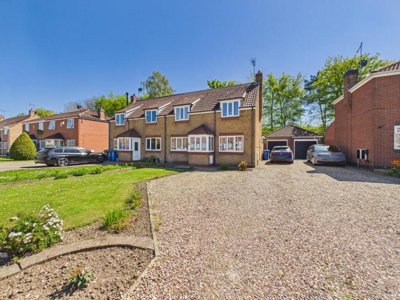
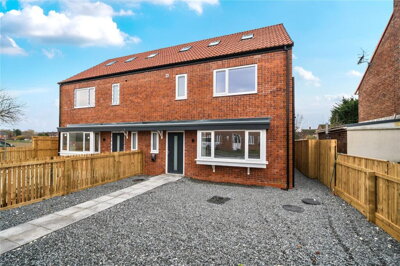
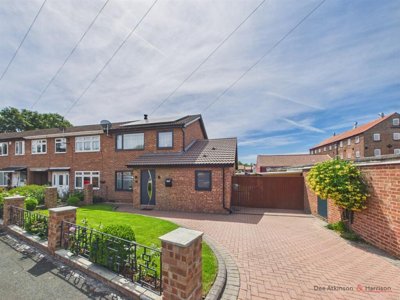
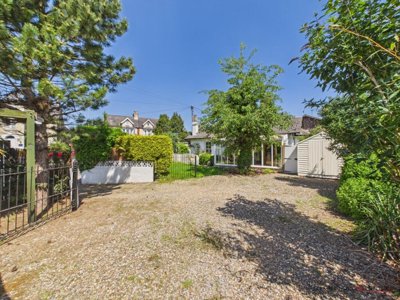
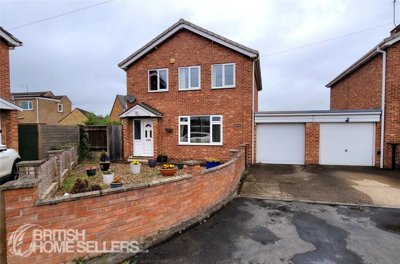
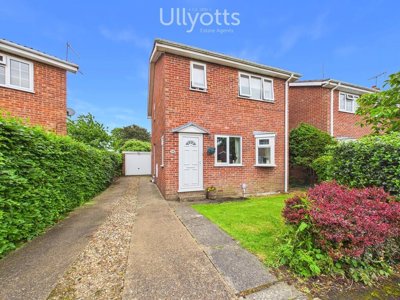
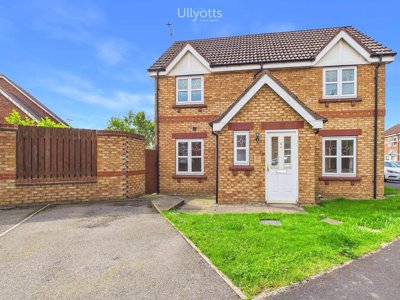
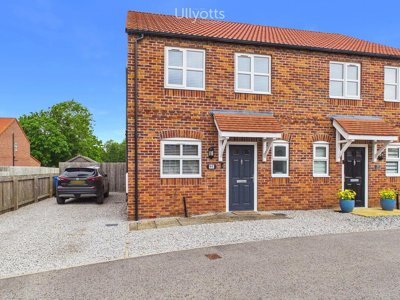
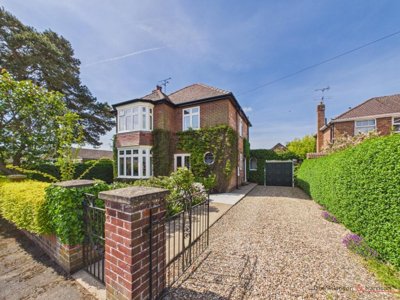
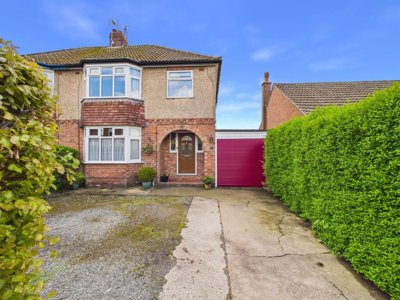
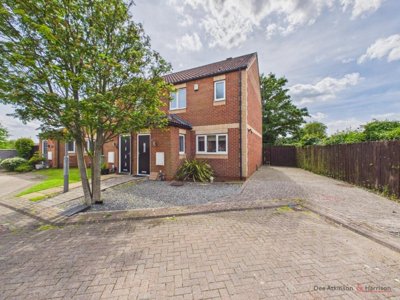
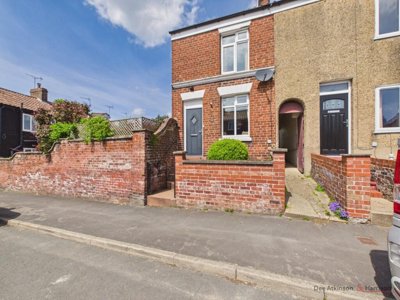
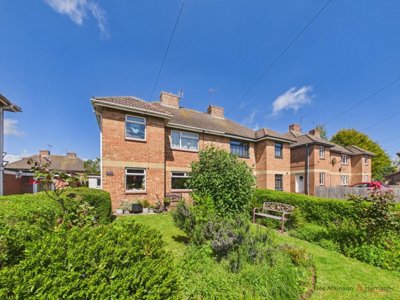
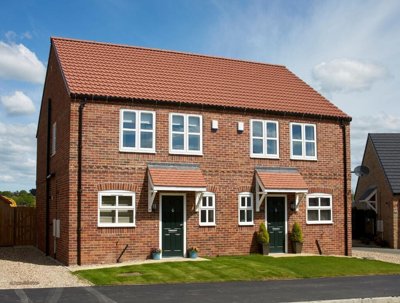
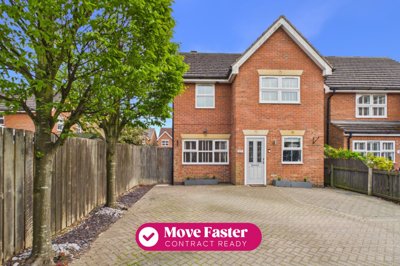
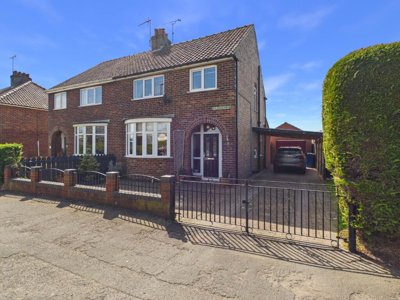
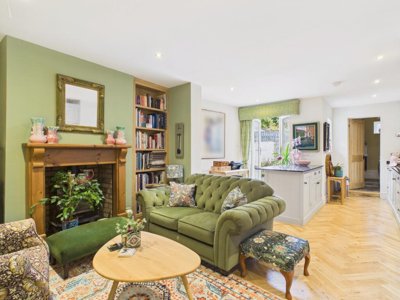
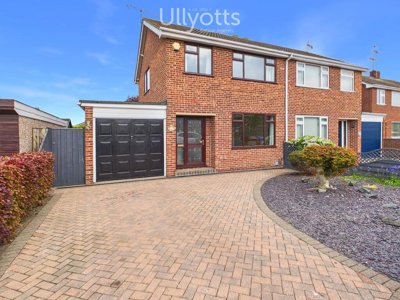
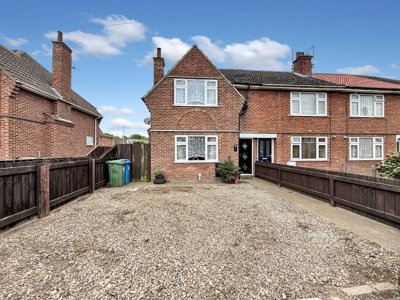
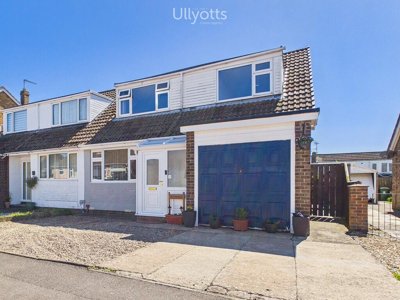
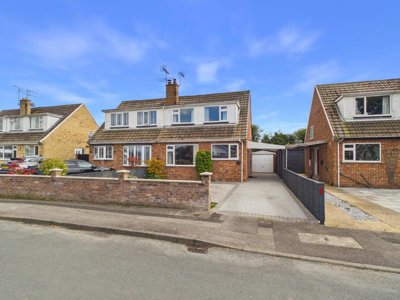
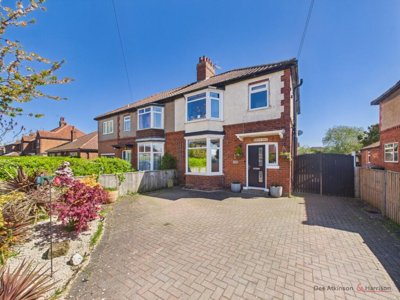
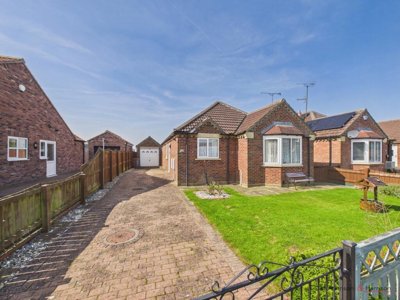
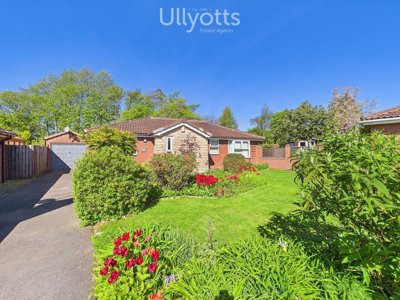
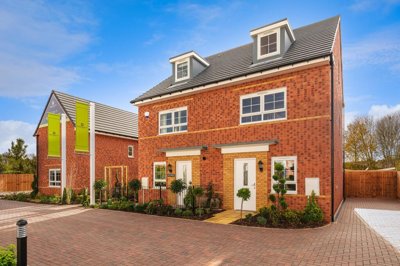
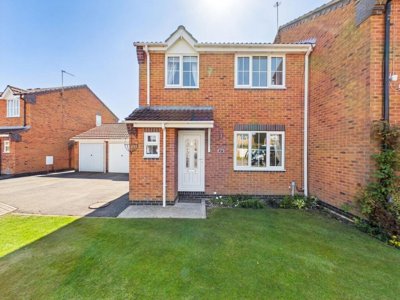
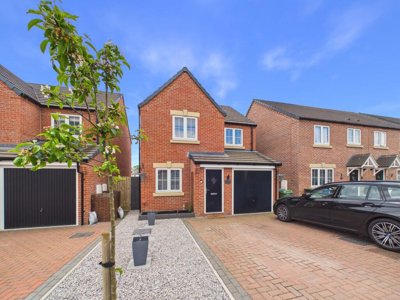
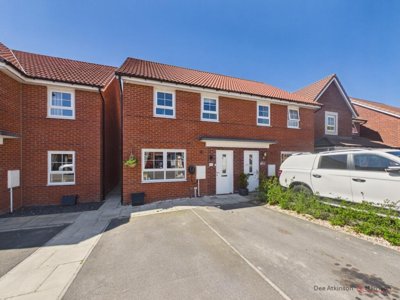
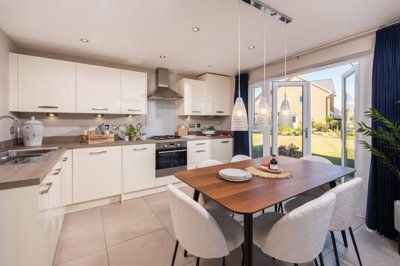
Browse 129 homes for sale in Driffield from local estate agents.
Three bedroom properties represent a significant portion of the Driffield housing market, offering space for families with multiple reception rooms and gardens in many cases. Browse detached, semi-detached, and terraced options ranging from period character homes to contemporary developments.
Driffield’s property market covers a wide spread of homes, matching its role as a busy market town in East Yorkshire. Detached properties sit at the top end, with average prices around £304,799 according to recent homedata.co.uk data, and homes in the YO25 postcode area have posted especially strong growth of 8.7% in the last year. Great Driffield, which covers the wider area, has seen prices rise by 5% compared with the previous year, a clear sign that family homes in this scenic location remain in demand.
Semi-detached homes are still the most commonly sold type in Driffield itself, usually changing hands for around £191,298 to £207,517, depending on the postcode area. For families wanting generous room sizes and a garden without paying detached-house prices, they are hard to beat. Terraced properties, at roughly £153,745, give a more accessible route into the Driffield market and are especially popular with first-time buyers and people downsizing from larger homes. Flats sit at the more affordable end, around £92,318, although they make up a smaller share of the stock in this mainly suburban market.
For those looking at new homes, Chariot's Keep is one of the better-known developments locally, with anything from 2-bedroom detached houses through to 5-bedroom family homes. Prices begin at around £240,000 and rise to £515,000 for the largest specifications. All Phase 2 homes come with photovoltaic panels and electric car charging points as standard, which reflects the growing interest in energy efficiency and lower-carbon living among new home buyers in the region. The development also offers 3-bedroom semi-detached properties and retirement homes, so it speaks to a wider range of needs than a single house type.

Driffield’s weekly market still sits at the centre of local life, just as it has for centuries, and it continues to pull visitors in from across the Yorkshire Wolds. In the town centre, independent shops sit alongside traditional pubs and everyday essentials such as a supermarket, pharmacy, and medical centre. Along the High Street, cafes and restaurants give locals somewhere to meet, and that creates the sort of close-knit feel people often associate with old English market towns. Beyond the town, the land is mainly agricultural, with rolling countryside and farmland providing the rural backdrop that defines the Yorkshire Wolds.
Its setting on the Driffield Navigation, a canalised river system, has helped shape both the town’s history and its character. Today the waterway is mostly used for leisure, with pleasant walking routes along the banks and an easy link out towards the wider countryside. Being close to the Yorkshire Wolds also gives residents excellent access to walking and cycling trails, including the Yorkshire Wolds Way national trail nearby. The local geology, with chalk bedrock and deposits of sand and gravel, is part of what creates the rolling hills and dry valleys that make this part of Yorkshire so distinctive.
As a service centre for the surrounding rural villages, Driffield offers a surprisingly solid range of amenities for a town of its size. There is a leisure centre with swimming facilities, sports pitches, and a gym, all of which support day-to-day health and fitness. Community life is also well served by libraries, churches from several denominations, and social clubs that run events through the year. Families, professionals, and retirees all make up part of the local mix, which gives the town a fairly balanced community and services that suit different age groups.
Agriculture still feeds into the local economy, with nearby farmland supporting farming-related businesses and reinforcing the town’s market-town identity. At the same time, residents can reach larger employment centres, with Hull around 45 minutes away by car for people commuting into the city. That mix of rural calm and practical connections is a big part of Driffield’s appeal, particularly for buyers who want to step back from larger urban areas without giving up work opportunities or access to services.

Children in Driffield can move through education from the early years right up to secondary level, with several primary schools based in the town itself. Parents looking at a move here will find a choice of primaries teaching children aged 5 to 11, and many have modern facilities as well as dedicated teaching staff. The town has grown around the needs of a larger population, so school catchments matter a great deal when families are choosing where to buy.
Secondary schooling is provided by Driffield School and Sixth Form, which teaches students aged 11 to 18. The sixth form offers A-Level qualifications, so older pupils can carry on studying locally rather than travelling to a bigger town or city. For families exploring alternative routes, the wider East Riding area gives access to grammar schools in nearby towns, although entry still depends on the usual testing and catchment requirements.
Further education options in the area include colleges in Hull and Beverley, both of which can be reached by good road links from Driffield. Families checking out the local education landscape should confirm current Ofsted ratings and admission criteria directly with the schools or through the East Riding of Yorkshire Council website, since these can change over time. For younger children, the town also has nursery and pre-school provision, which gives working parents useful childcare choices.
When we look at the full cost of education-related spending, it makes sense to think about a RICS Level 2 Survey on any property under consideration too. Knowing the condition of the building, from insulation and heating systems to structural elements, can help families plan for future costs that may affect the household budget. Older homes near school catchments may have been updated to very different standards, so proper due diligence is especially useful for families with school-age children.

Driffield’s position within the East Riding of Yorkshire gives it reasonable links to larger cities while still keeping the rural feel that many buyers want. The town lies on the A164 road, which gives direct access to Beverley and Hull, so car travel is a practical option for residents commuting to those employment centres. It takes around 45 minutes to reach Hull city centre by car, while Beverley is about 25 minutes away, making Driffield a sensible base for commuters who prefer the lifestyle of a smaller town.
Driffield railway station links into the wider rail network, with services to Hull and York and, eventually, routes that join major destinations on the East Coast Main Line. The trains may not run as often as they do from bigger stations, but they still give commuters and occasional travellers to the capital a useful alternative to driving. For international journeys, Humberside Airport is reachable within approximately an hour’s drive, while Leeds Bradford Airport offers a wider choice of destinations and is around 90 minutes away.
Local bus services tie Driffield to surrounding villages and towns, which gives a vital transport link to people who do not drive or prefer to leave the car at home for shorter trips. The town has decent parking, including public car parks in the centre, and that is especially handy for visitors on market day. Cyclists are well served by the quieter rural roads around the town, and the Yorkshire Wolds provide popular recreational routes throughout the year.
The YO25 postcode area, covering Driffield and the surrounding villages, benefits from the same transport links while sometimes offering homes at different price points. Buyers looking in nearby villages should think about the extra distance to the railway station and town centre amenities when judging convenience. Homes on bus routes into the town may appeal to people who would rather not depend on a car for everyday commuting.

Before viewing any property, we recommend getting a mortgage agreement in principle from a lender. It shows estate agents and sellers that the finance is lined up and that the buyer is serious. In Driffield’s competitive market, having that paperwork ready can make all the difference when it comes to negotiating on a preferred home. First-time buyers in Driffield should look at all available mortgage products, including those with lower deposit requirements, as the average property price of around £217,699 means many buyers will qualify for competitive lending products.
Explore listings across several portals so we can see what is genuinely available within budget. With average prices of around £217,699 for all property types and detached homes averaging over £300,000, it helps to know exactly where a budget sits in the market before narrowing the search. The YO25 postcode area, at approximately £252,811 on average, may offer a different value proposition depending on location and property type.
Contact local estate agents in Driffield to arrange viewings on homes that fit the brief. We always suggest taking notes at each one, paying close attention to the condition of the building, likely maintenance costs, and signs of damp or structural concerns. It is also worth seeing properties in different states of repair so the cost of renovation work is easier to judge. With a mix of period homes and modern builds across the area, viewing different ages of property can be genuinely revealing.
Once an offer is accepted, arrange a RICS Level 2 Survey (Homebuyer Report) on the property. This inspection will pick up structural issues, defects, or areas that need attention before the purchase goes any further. Driffield has a blend of older homes and newer builds, so knowing the condition of a possible new home is vital for informed decisions. In older properties, especially those built before 1970, the survey may uncover problems with original construction methods or materials that would not be obvious during a viewing.
We would always choose a solicitor with experience of East Riding of Yorkshire property transactions to deal with the legal side of the purchase. They will carry out searches, manage Land Registry paperwork, and handle the transfer of funds. Budgeting for conveyancing normally means allowing around £499 to £1,500 for the service. The solicitor should also include drainage and water searches specific to the Driffield area, along with flood risk checks, given the town’s proximity to the Driffield Navigation.
Once all searches come back satisfactorily and finance is confirmed, contracts are exchanged and the deposit is paid. Completion usually follows within a few weeks, after which the keys to the new Driffield home are handed over. Local services can then be registered, and the settling-in process begins. It is also a good time to arrange any follow-up surveys or inspections flagged during the initial RICS Level 2 Survey.
Driffield properties range from characterful period homes to modern new builds, and each type comes with its own issues for buyers to think through. Many homes in the town centre and the surrounding streets were built using traditional brick methods common across the East Riding of Yorkshire, which usually gives solid and durable construction. Even so, older homes may show wear that needs attention, from roof repairs to updated electrical systems. The East Riding region sits on chalk bedrock with varying deposits of sand and gravel, and that can affect ground conditions and drainage in some places. A thorough RICS Level 2 Survey can pick up these points before a purchase is agreed.
Flood risk is something buyers should think about in Driffield because of the town’s position on the Driffield Navigation canal system. The canalised river has reduced some of the flood risk associated with natural waterways, but prospective buyers should still check the Environment Agency flood risk maps for the exact property address. Homes in higher-risk areas may face higher insurance premiums and may need extra precautions. Our conveyancing solicitor should include the relevant flood risk searches as part of the standard conveyancing process, particularly for properties in low-lying areas or close to water features.
For anyone looking at apartments or flats in Driffield, the terms of the leasehold arrangement need careful checking. Ask about the remaining lease length, the current ground rent, and any service charges attached to the property. These ongoing costs can have a real effect on affordability over time. By contrast, many houses in Driffield are sold freehold, which removes ground rent worries and gives full ownership of both the property and the land.
The age of a home can have a big bearing on the kinds of issues that turn up later. Properties built before 1950 may have solid floors rather than suspended timber, different roof construction methods, and original electrical and plumbing systems that may need updating. Homes from the post-war period through to the 1980s often use cavity wall construction, although insulation quality can vary. More recent builds benefit from modern standards, but they can still have defects, particularly in newer developments where work has moved quickly. Commissioning a detailed survey before purchase gives a clearer budget for any remedial work.

The average house price in Driffield is approximately £217,699 according to recent market data from homedata.co.uk, although this varies quite a bit by property type. Detached homes average around £304,799, semi-detached houses fetch approximately £191,298, and terraced properties usually sell for around £153,745. Flats are the most affordable option in the area at approximately £92,318. The wider YO25 postcode area has seen prices grow by 8.7% in the last year, which points to healthy demand in the local market. Property Solvers data shows 227 residential sales in the past year, a drop of 65 transactions compared with the year before.
Driffield properties sit within East Riding of Yorkshire Council, and council tax bands run from A through to H depending on the assessed value of the home. Most terraced properties and smaller semi-detached houses fall into bands A to C, while larger detached homes can be placed in the higher bands D through H. Buyers can check the exact band for a property through the Valuation Office Agency website or by asking during conveyancing. Council tax in the East Riding of Yorkshire is generally competitive compared with larger urban areas, which keeps Driffield attractive to budget-conscious buyers.
Several local schools in Driffield provide primary education for children aged 5 to 11, and Driffield School and Sixth Form covers secondary education for students aged 11 to 18. The town has adapted its educational provision to community needs, and families should check current Ofsted ratings directly because these can change over time. Nearby towns, including Beverley, give access to grammar school places for families prepared to work travel arrangements into the plan. Being close to the wider East Riding also gives families access to a broad range of education settings, from rural primaries to specialist secondary provision.
Driffield railway station gives rail connections to Hull, York, and destinations further along the regional network. By road, the A164 offers direct access to Beverley, around 25 minutes away, and Hull, around 45 minutes away. Local bus services link the town with surrounding villages and towns, which is important for people without a car. The location gives a workable balance between rural tranquillity and practical access to bigger urban centres. For commuters heading to Hull or other major employment centres, the road links are generally reliable, though rush hour traffic still needs to be built into journey planning.
Driffield has recorded steady price growth of around 1.29% to 5% over the past year, depending on the source and the area in question, which suggests a stable market with room for capital appreciation. Its position in the Yorkshire Wolds, plus the range of amenities and decent transport links, gives it broad appeal to different types of buyer. Rental demand comes from young professionals, families, and people wanting a quieter lifestyle while still being within reach of Hull and other employment centres, so buy-to-let investment can work in the right circumstances. Ongoing development at Chariot's Keep and other sites also points to continued developer confidence in the local market.
As of 2024-25, stamp duty rates are set out as follows, 0% on properties up to £250,000, 5% on the portion between £250,001 and £925,000, 10% between £925,001 and £1.5 million, and 12% above £1.5 million. First-time buyers get relief on homes up to £625,000, paying 0% up to £425,000 and 5% on the portion between £425,001 and £625,000. With the average Driffield property price at around £217,699, most first-time buyer purchases would attract no stamp duty, while other buyers would pay 0% on the first £250,000. Any property priced above £250,000 would attract stamp duty on the amount above that threshold.
The Driffield property market gives buyers a broad mix of property types to suit different needs. Detached properties, especially in the YO25 postcode area, make up most of the higher-value sales and usually sit from around £304,000 to over £300,000 in premium locations. Semi-detached homes are plentiful across the town and offer good value at approximately £191,000 to £207,000 depending on the exact area. Terraced houses provide a more accessible entry point at around £153,000, which is why they remain popular with first-time buyers. The new-build market, led by Chariot's Keep, offers modern specifications with prices ranging from £240,000 to £515,000 for larger detached homes.
Chariot's Keep is one of the main new-build developments currently active in Driffield, with property types ranging from 2-bedroom detached houses to 5-bedroom family homes. In Phase 2, homes come with photovoltaic panels and electric car charging points as standard, which reflects modern energy efficiency expectations. Prices at Chariot's Keep start at roughly £240,000 for entry-level detached homes and rise to around £515,000 for the largest premium specifications. The development also includes retirement properties and semi-detached options, which makes it far broader in appeal than new-build sites aimed only at family buyers.
From 3.84% APR
Compare mortgage deals from leading lenders
From £499
Expert solicitors for your Driffield property purchase
From £350
Professional survey to spot property defects before we buy
From £60
Energy performance certificate for your Driffield property
Understanding the full costs of buying a property in Driffield matters if we want to budget properly and avoid surprises during the transaction. Beyond the purchase price, buyers need to account for stamp duty land tax, solicitor fees, survey costs, and smaller expenses that can still add up to several thousand pounds. For a typical Driffield home at the average price of around £217,699, stamp duty will vary sharply depending on buyer status and the price of the property.
First-time buyers purchasing properties in Driffield at or below £425,000 pay zero stamp duty under the current thresholds, which can be a useful saving to put towards other purchase costs or moving expenses. For homes priced above £425,000, first-time buyer relief applies at 5% on the portion between £425,001 and £625,000. Anyone who does not qualify as a first-time buyer pays stamp duty at 0% on the first £250,000 and 5% on the remaining balance up to £925,000.
Other costs to plan for include mortgage arrangement fees, typically 0-2% of the loan amount, valuation fees, RICS Level 2 Survey costs from around £350, and conveyancing fees that usually range from £499 to £1,500 depending on how complex the transaction is. Searches carried out by the solicitor, including local authority, drainage, and environmental searches, usually cost between £250 and £400. Land Registry fees for registering ownership will also apply. In total, buyers should budget for around 2-3% of the property price in extra costs on top of the purchase price itself.
For buyers looking at the upper end of the Driffield market, such as detached homes averaging around £304,799 or premium new-build properties at Chariot's Keep reaching £515,000, stamp duty becomes a more serious item in the budget. At those price points, second-home buyers and buy-to-let investors also need to factor in the additional 3% surcharge on stamp duty that applies to additional residential properties. Careful planning for these costs from the outset helps keep the transaction smoother and avoids last-minute shortfalls.

Properties for Sale In London

Properties for Sale In Plymouth

Properties for Sale In Liverpool

Properties for Sale In Glasgow

Properties for Sale In Sheffield

Properties for Sale In Edinburgh

Properties for Sale In Coventry

Properties for Sale In Bradford

Properties for Sale In Manchester

Properties for Sale In Birmingham

Properties for Sale In Bristol

Properties for Sale In Oxford

Properties for Sale In Leicester

Properties for Sale In Newcastle

Properties for Sale In Leeds

Properties for Sale In Southampton

Properties for Sale In Cardiff

Properties for Sale In Nottingham

Properties for Sale In Norwich

Properties for Sale In Brighton

Properties for Sale In Derby

Properties for Sale In Portsmouth

Properties for Sale In Northampton

Properties for Sale In Milton Keynes

Properties for Sale In Bournemouth

Properties for Sale In Bolton

Properties for Sale In Swansea

Properties for Sale In Swindon

Properties for Sale In Peterborough

Properties for Sale In Wolverhampton

Enter your details to see if this property is within your budget.
Loans, cards, car finance
Estimated property budget
Borrowing + deposit
You could borrow between
Typical borrowing
Monthly repayment
Est. at 4.5%
Loan-to-value
This is an estimate only. Your actual budget may vary depending on interest rates, credit history, and personal circumstances. For an accurate affordability assessment, speak to one of our free mortgage advisors.
This calculator provides estimates for illustrative purposes only and does not constitute financial advice. Your home may be repossessed if you do not keep up repayments on your mortgage. Estimates based on 4.5% interest rate, repayment mortgage. Actual rates depend on your circumstances.
Homemove is a trading name of HM Haus Group Ltd (Company No. 13873779, registered in England & Wales). Homemove Mortgages Ltd (Company No. 15947693) is an Appointed Representative of TMG Direct Limited, trading as TMG Mortgage Network, which is authorised and regulated by the Financial Conduct Authority (FRN 786245). Homemove Mortgages Ltd is entered on the FCA Register as an Appointed Representative (FRN 1022429). You can check registrations at NewRegister or by calling 0800 111 6768.

We use cookies to show you personalised content and improve your experience of our website. Find out more in our Privacy policy and Cookie policy.