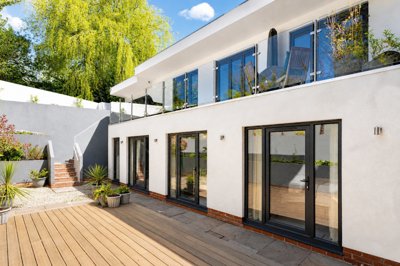
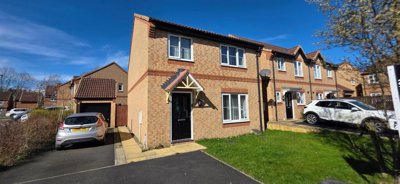
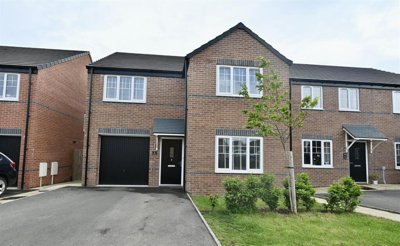
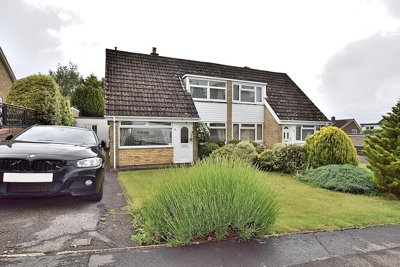
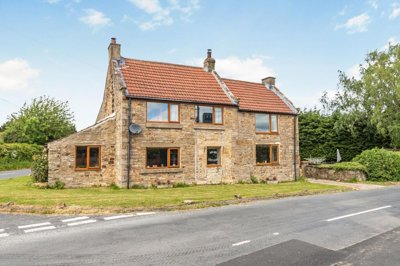
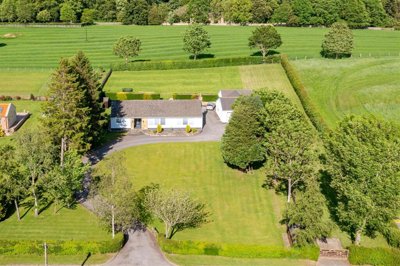
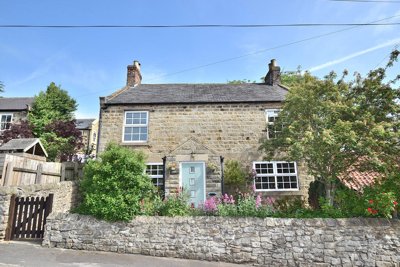
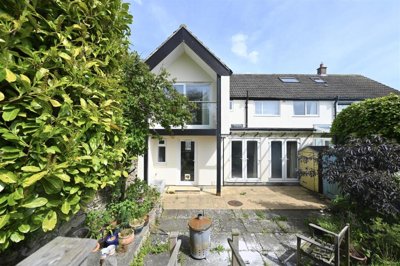
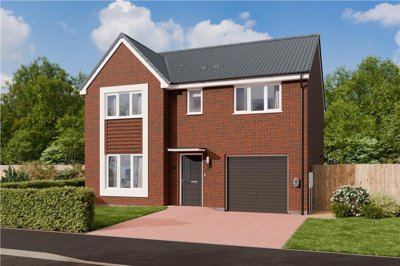
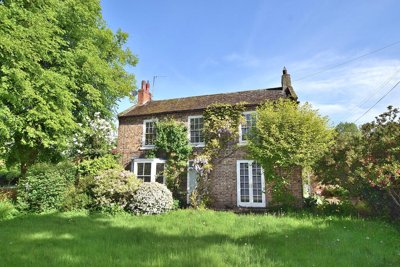
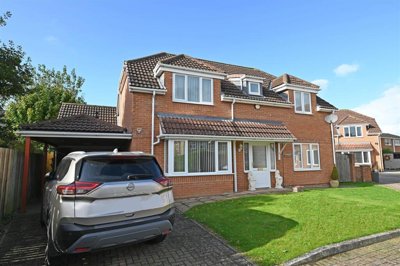
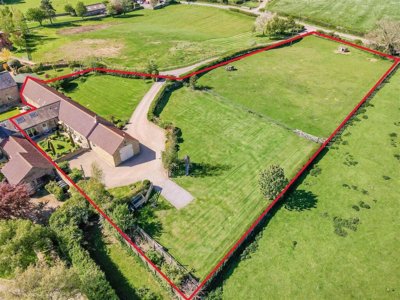
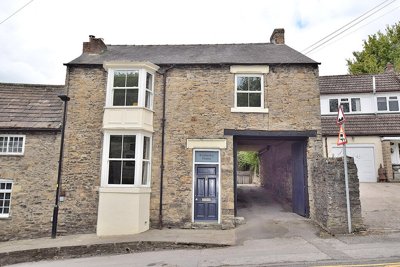
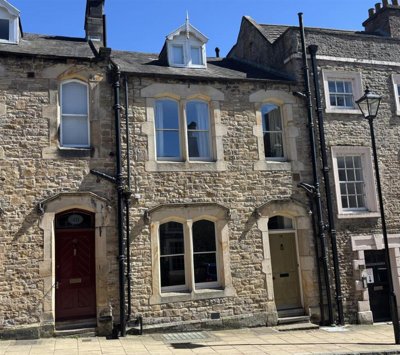
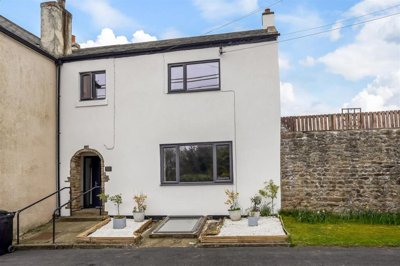
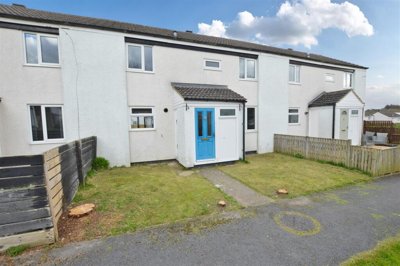
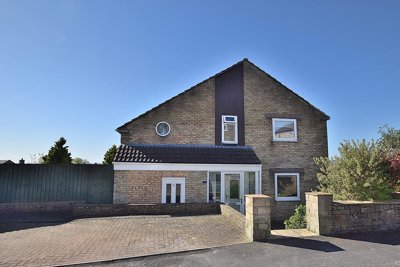
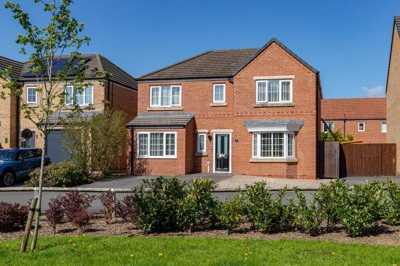
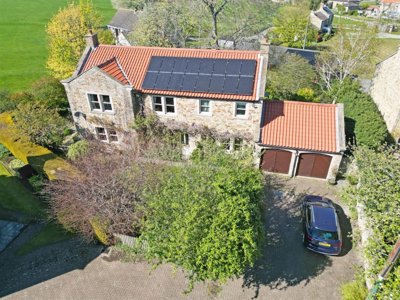
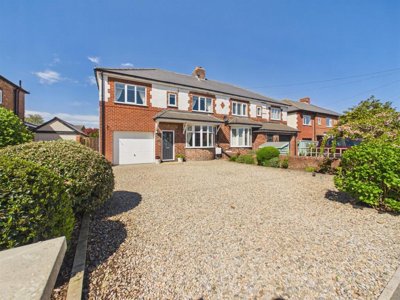
Browse 128 homes for sale in DL10 from local estate agents.
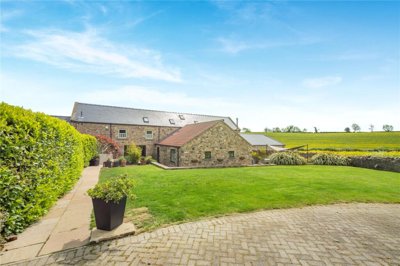
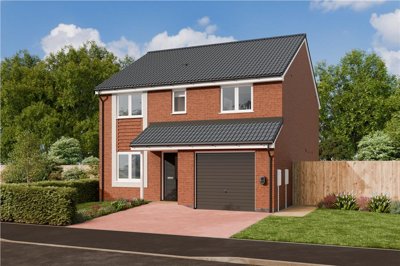
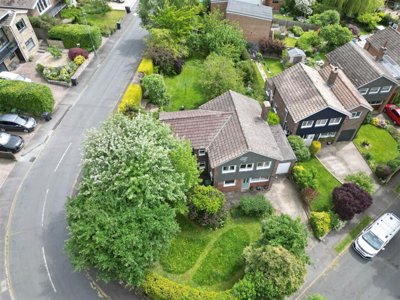
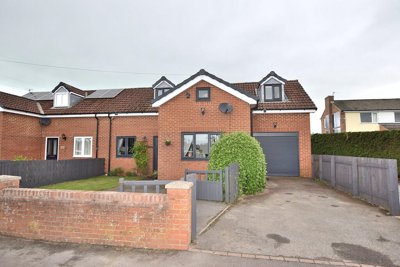
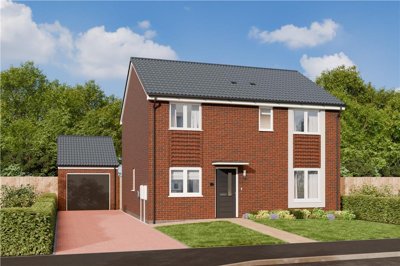
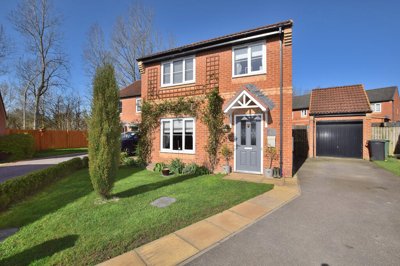
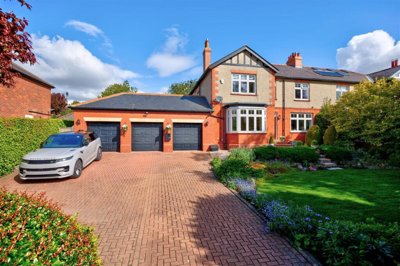
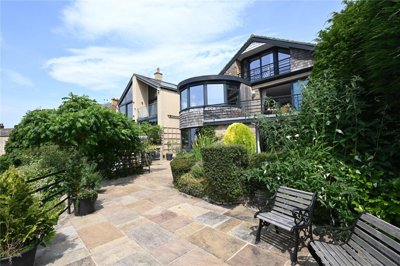
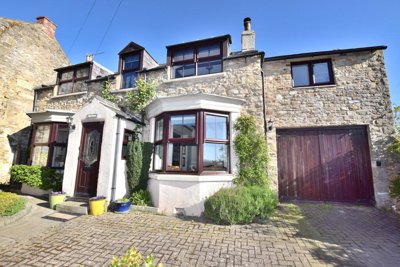
The larger property sector typically features multiple bathrooms, substantial reception space, and private gardens or off-street parking. Four bedroom houses in DL10 span detached, semi-detached, and occasionally terraced configurations, with styles ranging from period properties to modern executive homes.
£375k
43
1
153
Source: home.co.uk
Showing 43 results for 4 Bedroom Houses for sale in DL10. 1 new listing added this week. The median asking price is £375,000.
Source: home.co.uk
Detached
26 listings
Avg £458,200
Semi-Detached
14 listings
Avg £422,496
Terraced
3 listings
Avg £375,000
Source: home.co.uk
Source: home.co.uk
In DL10, the property market reflects North Yorkshire’s historic character, with a spread of homes to suit different budgets and buying plans. Detached properties fetch the highest average prices, and recent data puts them at around £560,061. These bigger family homes often come with generous gardens, several reception rooms and the traditional stone construction that shapes much of the local stock. For families wanting space and a rural feel, detached homes still look strong value compared with similar property in more urban areas.
Semi-detached properties in DL10 average approximately £301,869, a solid option for first-time buyers and growing families making their first move up the ladder. Terraced homes, including many period houses in the conservation areas of Richmond and Moulton, sit at around £253,453, with some properties trading higher on home.co.uk at approximately £253,453. Flats average £188,308, giving buyers a lower-cost route into a historic market town setting. Around 200 residential transactions have taken place over the past twelve months, although that is down by around 31 sales on the previous year.
Recent figures point to a mixed picture in DL10. home.co.uk shows a 5% annual decrease in sold prices, while Property Solvers records a 2.51% rise over the same period. That kind of variation is typical of a market where Frenchgate and Castle Terrace in Richmond town centre can attract a premium over outlying villages. Buyers are still active here, drawn by prices that sit well below major cities and by the quality of life North Yorkshire offers.

Richmond, which sits within the DL10 postcode, is regularly ranked among the most desirable market towns in North Yorkshire and has one of the finest Georgian market squares in the country. Around the cobbled market place, independent shops, cafes and restaurants give the centre a lively feel that brings in visitors from across the region. Richmond Castle dominates the skyline, with views over the River Swale and the Yorkshire Dales beyond. The town’s theatre, cinema and leisure facilities add to the appeal, while regular markets and events keep the local community spirit very much alive.
Around Catterick Garrison and into the surrounding villages, DL10 offers very different ways of living, from the more academic atmosphere near the garrison to quiet farming communities in the valley countryside. There is also major healthcare investment under way, with a new Integrated Care Centre at Catterick designed to treat up to 1,000 patients daily and act as a significant local employer. The Yorkshire Dales National Park is close by, so residents have walks, cycling routes and outdoor activities on the doorstep. Supermarkets, primary and secondary schools, medical practices, and good pubs and restaurants serving locally sourced produce round things out.
DL10’s architectural heritage is easy to spot, particularly in Richmond and Moulton where there are many listed buildings. Frenchgate, Castle Terrace and Trinity Church Square all show off the Georgian and Victorian styles that make the area distinctive. Grade I listed buildings such as Moulton Hall and The Manor House in Moulton underline just how important the local built environment is. Buyers who like homes with genuine history are often drawn here, though maintenance and planning permissions can bring extra checks that need thinking through.

Families are well served across the DL10 area, with primary schools in Richmond and the surrounding villages providing a supportive setting for younger children. The primary school in Richmond town centre teaches children aged 5-11 and has strong links with the community, alongside facilities that reflect the investment the area has enjoyed. Parents should look at individual school performance and catchment areas when searching, as both can have a real effect on allocations. Several village primary schools within the DL10 postcode also offer smaller class sizes and strong pastoral care, which appeals to families wanting something more intimate.
Secondary education centres on schools serving the Richmondshire district, with options for academic, vocational and specialist routes. Post-16 provision includes sixth form places and further education choices, and Darlington College is within easy reach for a wider spread of vocational courses. The Catterick Garrison military community also shapes local provision, and service families benefit from dedicated Ministry of Defence schools. Before buying in DL10, it makes sense to check current Ofsted ratings and catchment boundaries, because both can affect property values and the appeal of a particular street.
For households moving from larger cities, the education picture in DL10 can feel pleasantly different from urban schooling. Class sizes in rural primary schools across the postcode often sit below national averages, so teachers can give children more individual attention. Village schools are tightly knit places, with teachers, parents and local residents all playing a part in children’s development. Secondary pupils can also take part in a broader curriculum offer, plus sports facilities and extracurricular programmes that smaller city schools may not have room for.

Transport links from DL10 balance country living with workable access to key employment centres. Darlington is the nearest mainline railway station, around 20 miles away, and it has regular services to Edinburgh, Newcastle, York and London Kings Cross, with journeys to London taking around three hours. The A1(M) can be reached via the A66, which connects residents north to Newcastle and south to Leeds and the wider motorway network. Bus services run across Richmondshire, although frequency varies, so car ownership remains practical for many people.
The A66 trunk road runs through DL10 and acts as a major transport route for local trips and longer journeys alike. It links Richmond directly to the A1(M) at Scotch Corner, putting the area within easy reach of employment centres in the Tees Valley and North East England. In healthcare, the new Catterick Integrated Care Centre is creating jobs closer to home, reducing the need for long commutes. The Yorkshire Dales landscape around DL10 is also a draw for cyclists, with dedicated routes and quiet lanes that attract enthusiasts all year round.
For commuters, the DL10 area offers decent access to the strategic road network, but trips to the main cities still need planning. Leeds is roughly 90 minutes away via the A1(M) and A59, while Newcastle is around an hour away. Those times compare well with many rural locations, which is part of the reason buyers who work partly from home often find the postcode attractive. Lower property prices than in major cities, along with the quality of life on offer, mean the commute is often judged worthwhile. Parking in Richmond town centre is usually manageable, though weekend visitors in peak tourist seasons can push demand up.

We suggest starting with current listings across our platform, then getting a feel for price trends in different neighbourhoods and the range of homes available, from terraced properties in Richmond town centre to detached houses in the surrounding villages. Our data shows average prices around £360,569, which gives a useful starting point, even though values vary widely by location, condition and features. Homes in conservation areas such as Trinity Church Square and Gallowgate often command a premium because of their protected status and character.
Before arranging viewings, it is sensible to obtain a mortgage agreement in principle from a lender, so the budget is clear and sellers can see you are serious. With typical properties in DL10 ranging from £188,308 for flats to over £560,061 for detached homes, sorting finance early can make the whole process smoother. Several mortgage brokers work in the Richmondshire area, and many know local values well enough to guide buyers through the application process efficiently.
Viewings are the point where the practical detail starts to matter, so it pays to look closely at the condition of each home, the feel of the neighbourhood and how close it sits to schools, transport and amenities. Many DL10 properties are older builds, and some may be listed, so maintenance needs and any restrictions linked to period homes deserve attention. For stone-built houses in the area, check for structural movement, the condition of traditional lime mortar pointing and the state of original timber windows.
After an offer has been accepted, a RICS Level 2 Survey should be arranged to assess the building and highlight any defects. Given the age of many DL10 homes, along with the number of listed buildings in conservation areas, a professional survey is important for understanding the real condition of the investment. Properties built before 1900, which make up a significant proportion of the local stock, usually need a more detailed inspection and may carry survey costs of 20-40% above standard rates.
Our solicitor will deal with the legal side of the purchase, from local searches and title checks to liaising with the seller’s legal team. Conveyancing in DL10 follows the usual process, although properties in conservation zones or with listed building status may need extra documentation. Local solicitors who know Richmondshire can move transactions on efficiently and advise on planning conditions that affect a property.
Once the legal work is confirmed and all conditions have been met, contracts are exchanged and a completion date is set. On completion day, the keys to your new DL10 home are handed over and the historic North Yorkshire setting is yours to enjoy. Our team can point you towards local tradespeople and services to help you settle in, from chimney specialists who understand listed building requirements to garden landscapers used to the local soil conditions.
Listed buildings and conservation areas are common across DL10, especially in Richmond and Moulton, so buyers need to understand what those designations mean. Special planning controls protect listed buildings, restricting alterations, extensions and even some maintenance work, with approval needed from the relevant authorities, including the Yorkshire Dales National Park Authority where applicable. Before buying, allow for the extra cost and time that may be needed for any planned works, and take specialist surveyor advice so the historic fabric and features are properly assessed.
With much of the housing stock in DL10 being historic, buyers should watch for the usual issues linked to older homes, including damp penetration, roof condition, timber decay and outdated electrical systems. Properties built before widespread damp-proof courses may show signs of rising damp, especially in the solid-walled buildings that are common throughout North Yorkshire. Stone and brick homes here are generally solidly built, but age-related maintenance should still be expected and budgeted for. A thorough RICS Level 2 Survey is especially useful in this area, because it can pick up defects that may not be obvious at a viewing.
Our surveyors often find a familiar set of issues in DL10. Timber decay, including wet rot and dry rot, can affect roof structures and ground floor joists in older stone homes where ventilation is poor. Many Victorian and Edwardian properties in Richmond town centre still have original cast iron rainwater systems, and these can corrode or leak if they are not kept in good order. Electrical systems in period homes frequently need complete rewiring to meet modern standards, which is a cost buyers should have in mind. Houses on Gallowgate and Millgate often use traditional building methods that differ sharply from modern construction, so they need specialist knowledge at inspection stage.
Clay soil conditions in parts of DL10 can lead to subsidence and movement in homes with shallow foundations, especially during drought or after heavy rainfall. Major structural problems are not common, but our surveyors still look closely at crack patterns, how doors and windows operate and floor levels when they inspect a property. Homes on flood plain areas near the River Swale may also need specific building survey and insurance checks, which buyers should look into before going any further. Knowing about these local factors helps a purchase in DL10 proceed with fewer surprises after completion.
Recent homedata.co.uk figures put the average sold house price in DL10 at approximately £360,569, although home.co.uk shows a lower figure at around £289,567. Different property types sit at different levels, with detached homes averaging around £560,061, semi-detached properties at approximately £301,869 and terraced homes typically selling for £253,453. Flats average approximately £188,308, which keeps them as a more accessible way into this North Yorkshire market. The market has seen some movement lately, with home.co.uk reporting a 5% annual decrease and other sources showing only modest shifts.
In DL10, residential properties fall under Richmondshire District Council, and most homes sit within council tax bands A through E. Band A generally covers the lowest-value properties in the area, while Band E and above is more typical for larger detached houses and substantial period homes. Exact banding depends on valuation, so buyers should check the specific band with the local authority or during conveyancing. Richmondshire council tax bills are usually good value compared with metropolitan areas, which adds to the area’s affordability. Premium streets such as Castle Terrace and Trinity Church Square in Richmond may sit in higher bands because of their location and period features.
Primary schools in Richmond and the surrounding villages provide solid education for families with younger children. Richmond itself has schools serving the town centre and nearby neighbourhoods, while several village primary schools also operate within the postcode area. Secondary education is available through schools serving the wider Richmondshire district, with transport arrangements in place for pupils from outlying villages. Parents should check current Ofsted ratings and think about catchment boundaries, as these can affect allocations and the desirability of particular properties. The nearby Catterick Garrison community is also served by Ministry of Defence schools, giving service families continuity when they move to the area.
Bus services link Richmond with nearby towns and villages, although the frequency depends on the route and the day. Darlington is the nearest mainline railway station, about 20 miles away, and it provides trains to London, Edinburgh, Newcastle and York. The A1(M) and A66 give useful road connections, while Darlington and Northallerton offer extra rail options within a reasonable drive. For most DL10 residents, car ownership remains practical for daily commuting, even though remote working has reduced the importance of direct rail access for many buyers. The A66 also provides a direct route to Scotch Corner and the wider motorway network, linking residents to jobs across the North East and Yorkshire regions.
Investment in DL10 comes with a few clear angles. Average prices are relatively affordable compared with major cities, which may appeal to buyers looking at value and rental yield. The Catterick Garrison military community creates steady demand for rental homes, while the expanding healthcare facility is likely to add more employment and housing need. Properties in conservation areas and listed buildings may also rise in value because supply is limited and the character is hard to replace, although they do need specialist management. As with any buy-to-let decision, rental yields, void periods and local demand all deserve proper research first.
Stamp Duty Land Tax rates for residential purchases are set nationally, with standard rates applying 0% on the first £250,000 of property value, 5% on £250,001 to £925,000, 10% on £925,001 to £1.5 million, and 12% on amounts above £1.5 million. First-time buyers benefit from higher thresholds, paying 0% on the first £425,000 and 5% on £425,001 to £625,000, though no relief applies above £625,000. For a typical DL10 home at £360,569, a standard buyer would pay no stamp duty on the first £250,000 and 5% on the remaining £110,569, which comes to approximately £5,528.
We always recommend a professional RICS Level 2 Survey for purchases in DL10, whatever the property type or age. Because so many homes here date from the Victorian and Georgian periods, surveyors regularly come across defects linked to period construction. Our surveyors understand local building methods, from traditional stone masonry and lime mortar pointing to period joinery, all of which are common in Richmond and the surrounding villages. A standard survey usually costs between £400 and £800, though properties built before 1900 or those with non-standard construction may cost more. That spending can save thousands by flagging issues before completion that would otherwise fall to the buyer.
DL10 contains a large number of listed buildings, especially in Richmond town centre and in the village of Moulton. Richmond has many Grade II listed buildings along Frenchgate, Castle Terrace, Gallowgate and Trinity Church Square, with some homes dating from the 18th and 19th centuries. Moulton is known for historic buildings including Moulton Hall and The Manor House, both Grade I listed, together with barns, farm buildings and cottages that add to the conservation area character. Buying a listed property in DL10 brings obligations, including limits on alterations, the need for specialist maintenance with suitable materials and, in some cases, listed building consent for works that would not need planning permission on an unlisted home.
To budget properly for a purchase in DL10, it helps to look beyond the asking price and take in the full cost picture. Buyers need to allow for Stamp Duty Land Tax, solicitor fees, survey costs and third-party charges such as local searches, land registry fees and mortgage arrangement costs. For a typical property at the DL10 average of £360,569, stamp duty for a non-first-time buyer is approximately £5,528, worked out at 5% on the portion above £250,000. First-time buyers buying below the £425,000 threshold pay no stamp duty on their DL10 home, which can make a big difference.
Professional services costs should sit in the budget from the start, with RICS Level 2 surveys usually ranging from £400 to £800 depending on the size and complexity of the property. Homes in DL10 often have traditional construction and period features, so the upper end of that range may be more suitable for a thorough look at older fabric. Properties built before 1900 typically cost 20-40% more to survey than standard homes because they take longer to inspect properly. Conveyancing fees for standard purchases in the Richmondshire area generally start from around £499, although listed building status, conservation area restrictions or leasehold elements can all push costs up.
Local authority searches, drainage checks and land registry fees usually add several hundred pounds to the legal bill, bringing total buying costs, excluding mortgage arrangements, to around 2-3% of the purchase price. For a home at the DL10 average of £360,569, that means total buying costs typically fall between £7,211 and £10,817. Our team can provide cost estimates matched to your transaction, whether you are buying a modern terraced property or a historic detached home with listed building status. It is worth folding these costs into the wider budget alongside the deposit and mortgage arrangement fees, so the full financial commitment is clear.
From £400
A detailed inspection of property condition, suited to standard houses and flats in DL10. We recommend it for older properties and listed buildings.
From £600
A full building survey for older, larger or non-standard properties. It includes detailed defect analysis.
From £80
An Energy Performance Certificate is required for property sales. Local assessors are available for DL10 properties.
From £499
Solicitors with Richmondshire property experience. We work with firms familiar with listed buildings and conservation areas.
From 3.5%
Mortgage brokers who know the DL10 property market. Competitive rates for buyers in North Yorkshire.
Properties for Sale In London

Properties for Sale In Plymouth

Properties for Sale In Liverpool

Properties for Sale In Glasgow

Properties for Sale In Sheffield

Properties for Sale In Edinburgh

Properties for Sale In Coventry

Properties for Sale In Bradford

Properties for Sale In Manchester

Properties for Sale In Birmingham

Properties for Sale In Bristol

Properties for Sale In Oxford

Properties for Sale In Leicester

Properties for Sale In Newcastle

Properties for Sale In Leeds

Properties for Sale In Southampton

Properties for Sale In Cardiff

Properties for Sale In Nottingham

Properties for Sale In Norwich

Properties for Sale In Brighton

Properties for Sale In Derby

Properties for Sale In Portsmouth

Properties for Sale In Northampton

Properties for Sale In Milton Keynes

Properties for Sale In Bournemouth

Properties for Sale In Bolton

Properties for Sale In Swansea

Properties for Sale In Swindon

Properties for Sale In Peterborough

Properties for Sale In Wolverhampton

Enter your details to see if this property is within your budget.
Loans, cards, car finance
Estimated property budget
Borrowing + deposit
You could borrow between
Typical borrowing
Monthly repayment
Est. at 4.5%
Loan-to-value
This is an estimate only. Your actual budget may vary depending on interest rates, credit history, and personal circumstances. For an accurate affordability assessment, speak to one of our free mortgage advisors.
This calculator provides estimates for illustrative purposes only and does not constitute financial advice. Your home may be repossessed if you do not keep up repayments on your mortgage. Estimates based on 4.5% interest rate, repayment mortgage. Actual rates depend on your circumstances.
Homemove is a trading name of HM Haus Group Ltd (Company No. 13873779, registered in England & Wales). Homemove Mortgages Ltd (Company No. 15947693) is an Appointed Representative of TMG Direct Limited, trading as TMG Mortgage Network, which is authorised and regulated by the Financial Conduct Authority (FRN 786245). Homemove Mortgages Ltd is entered on the FCA Register as an Appointed Representative (FRN 1022429). You can check registrations at NewRegister or by calling 0800 111 6768.

We use cookies to show you personalised content and improve your experience of our website. Find out more in our Privacy policy and Cookie policy.