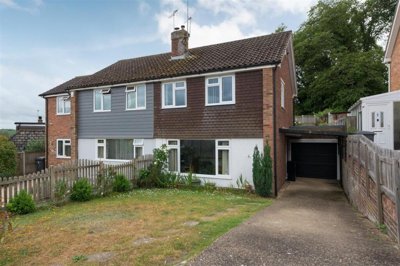
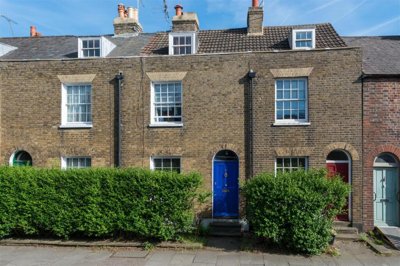
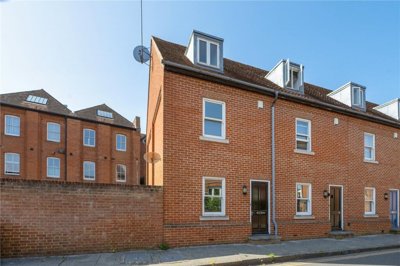
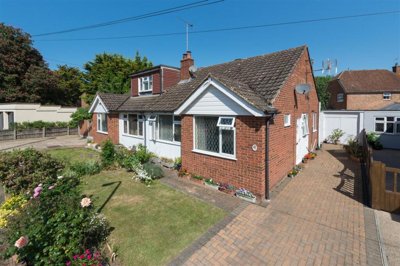
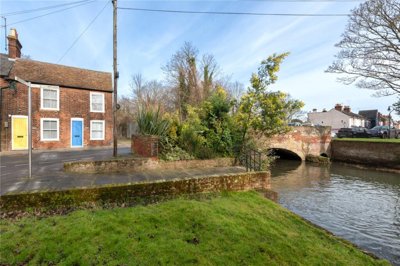
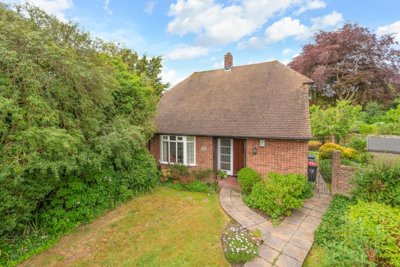
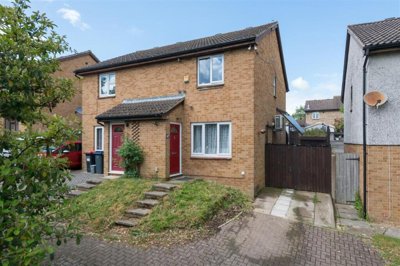
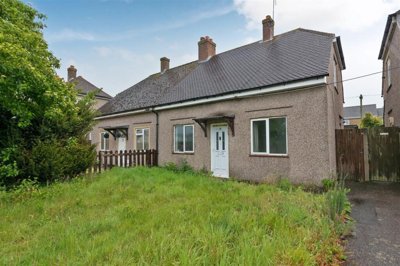
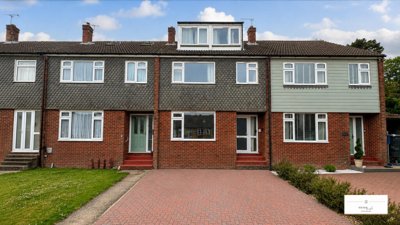
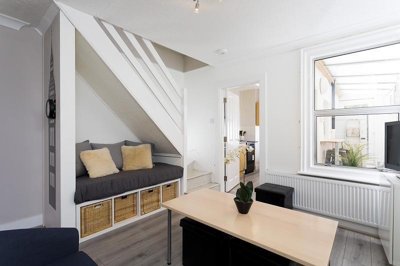
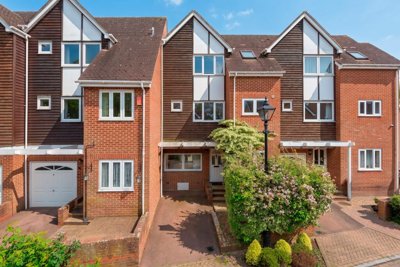
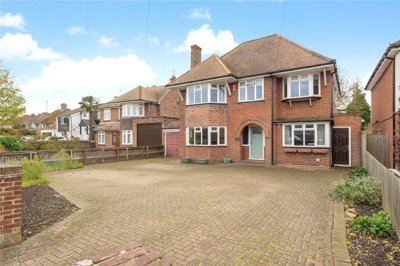
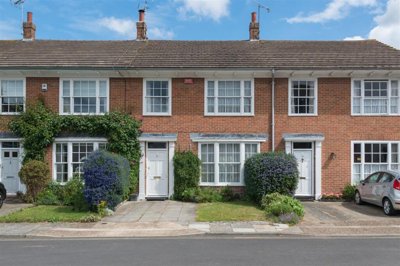
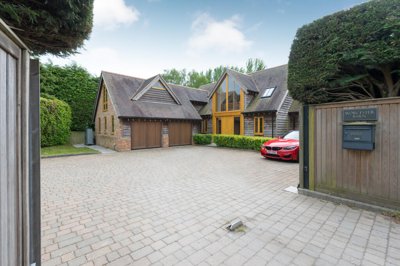
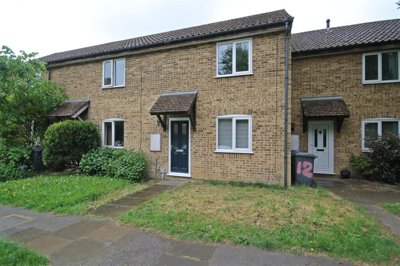
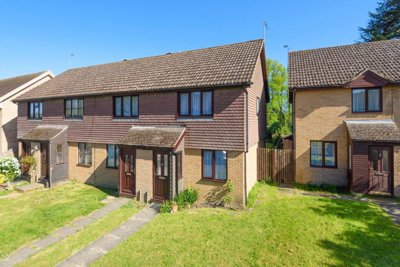
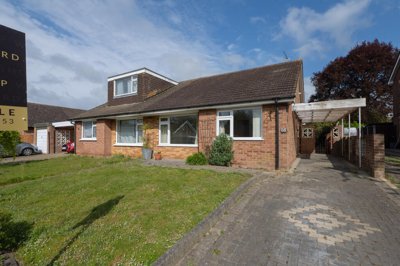
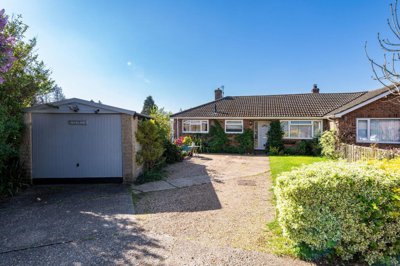
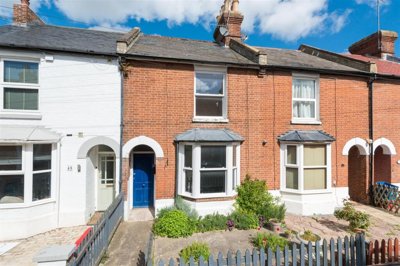
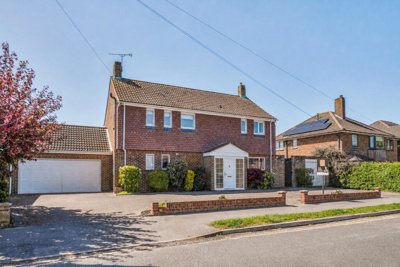
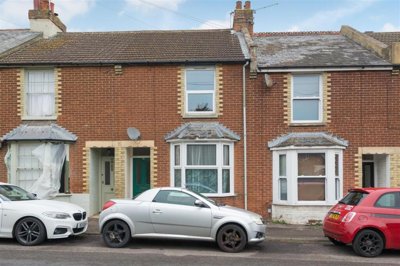
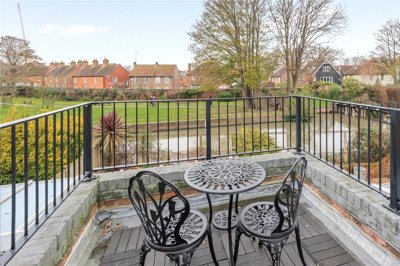
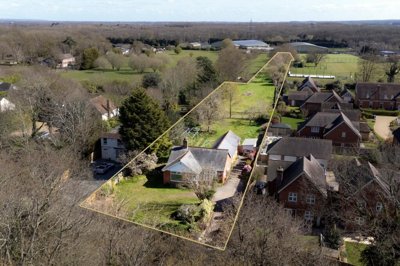
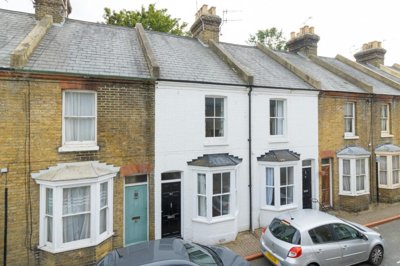
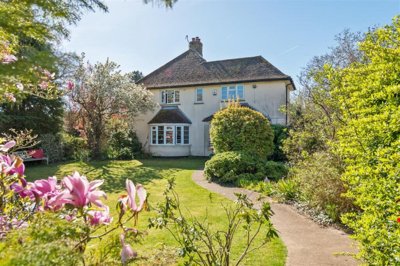
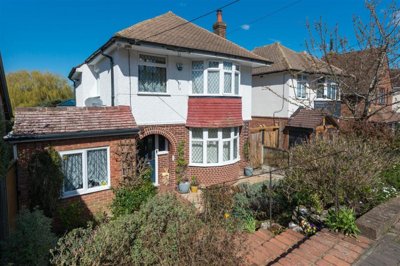
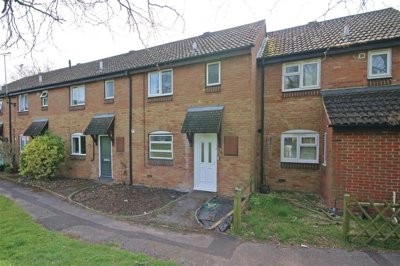
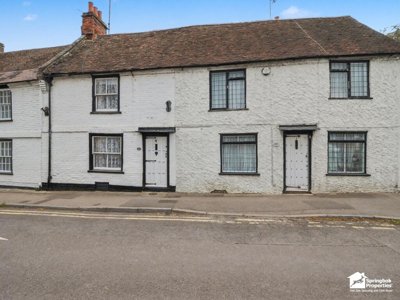
Browse 626 homes for sale in CT1 from local estate agents.
The CT1 property market offers detached, semi-detached, and terraced houses spanning various price ranges and neighbourhoods. Each listing includes detailed property information, photographs, and direct contact with the marketing agent.
£350k
145
12
99
Source: home.co.uk
Showing 145 results for Houses for sale in CT1. 12 new listings added this week. The median asking price is £350,000.
Source: home.co.uk
Terraced
55 listings
Avg £397,797
Semi-Detached
49 listings
Avg £352,459
Detached
41 listings
Avg £647,390
Source: home.co.uk
Source: home.co.uk
CT1 gives buyers a fairly balanced choice in Kent's premier historic city. Detached homes sit at the top of the market, averaging around £598,000, and suit families who want more room and privacy in Canterbury's suburbs. Semi-detached houses come in at approximately £383,000, which is strong value for anyone after extra bedrooms and garden space without stretching to detached-house prices. Across the area, you will often see classic Kent brickwork, and many of these homes date from the interwar period, when Canterbury grew quickly to house its rising population.
Terraced properties account for much of the activity in CT1, with average prices hovering around £357,000 depending on the source. These characterful streets sit around Canterbury city centre, close to shops, restaurants, and the city's cultural spots. Period details are common too, think original fireplaces, high ceilings, and stripped wooden floors, all of which pull in buyers after something with a bit more personality. Flats are still the cheapest way into CT1, averaging approximately £180,000, so they appeal strongly to first-time buyers and investors looking at the steady rental demand from students and young professionals working in the city.
New build schemes are changing the CT1 skyline, and Saxon Fields on Thanington Road is one of the clearest examples, with four and five-bedroom homes priced from £548,995 to £704,995. Redrow's Larchwood on Cockering Road adds premium four and five-bedroom family houses to the mix, while Taylor Wimpey's The Gilldale offers more affordable two-bedroom homes from £255,000 to £287,500. These developments bring modern build quality together with design cues that still feel rooted in Canterbury. Across the wider Canterbury area, there were approximately 6,400 property sales between January and October 2025, a 14.5% fall on the previous year as the market adjusted to changing economic conditions.

Ancient heritage and everyday living sit side by side in CT1, and that mix gives Canterbury much of its appeal. The city centre still has cobbled streets, timber-framed buildings, and the towering outline of Canterbury Cathedral, a UNESCO World Heritage Site that has drawn pilgrims and visitors for over a thousand years. Move beyond the core and places such as St. Stephens, Hales Place, and Thanington offer quieter suburban settings without losing easy access to the centre. The River Stour winds through the city as well, with walking routes and calmer corners where residents can step away from the tourist traffic.
Canterbury's economy is unusually varied, and three universities sit at its core, employing thousands of academic and administrative staff while bringing in thousands more students who support local spending through the academic year. Kent and Canterbury Hospital is another major employer, with healthcare roles for local residents across the city. Tourism still matters too, with millions of annual visitors keeping hotels, restaurants, and shops busy in the city centre. On top of that, technology, creative industries, and professional services continue to grow, so graduates and experienced workers both have options. That breadth helps support the housing market at almost every price point.
CT1 has the feel of both a historic residential city and a university town, and its population reflects that split. The Canterbury district has over 73,500 people of working age, bringing together families, young professionals, students, and retirees in one place. That mix feeds demand across the housing stock, from one-bedroom apartments for commuters to larger family houses close to well-regarded schools. The universities also keep the calendar busy, with festivals, exhibitions, and performances running all year. Residents benefit from leisure centres, libraries, and wide stretches of parkland too, so there is plenty going on beyond the city centre.

From nursery to university, education in CT1 covers every stage of family life. Primary schools in the Canterbury area include St. Johns Catholic Primary School, Wincheap Primary School, and Pilgrims' Hatch Primary School, each rooted in its local community and known for solid pupil progress and welfare. Supportive parent groups and active PTAs often help these schools go beyond the basic curriculum. Several are housed in Victorian and Edwardian buildings in and around the city centre, which gives younger children a setting full of period character.
Secondary choices in CT1 include Canterbury High School, a well-liked non-selective school with strong academic results and plenty of extracurricular activity. Families looking for faith-based education often consider St. Anselms Catholic School. In the wider Canterbury area, grammar schools such as The Canterbury Academy and Barton Court Grammar School provide selective routes for pupils who pass the Kent selection test. Catchment areas matter here, so parents moving to CT1 need to check the travel zones carefully before making decisions. Results are generally strong across Canterbury, with good provision in the arts, sport, vocational subjects, and traditional academic courses.
Higher education shapes much of Canterbury's identity, with the University of Kent set on a large campus and Canterbury Christ Church University running city-centre courses in subjects ranging from humanities to healthcare. The University for the Creative Arts also draws students into design, media, and the arts. These institutions open up obvious routes for local students, but they also drive research funding, student spending, and international recruitment. For families with older children, being close to these universities can make practical sense, especially when study support or graduate return visits are part of the picture.

CT1 works well for commuters, thanks to Canterbury's rail links to London and other parts of Kent. Canterbury West runs regular Highspeed services to London St Pancras International, with the journey taking approximately 55 minutes. Canterbury East adds further services to London Victoria via the Chatham Main Line, at around 85 minutes. That two-station setup keeps Central London within daily commuting range for many workers, while also widening the buyer pool for CT1 homes against similar properties in London.
Road travel from CT1 is straightforward, with the A2 linking Canterbury to Dover and the Channel Ports one way and to the M2 motorway and Greater London the other. The M2 gives quicker motorway access to Rochester and the Medway towns, while the A299 Thanet Way is the direct route towards Whitstable and Herne Bay. Car ownership still helps for trips to Canterbury's outlying business parks and industrial areas, even though Stagecoach and other operators run decent bus services through the city and nearby villages.
Bus routes link CT1 neighbourhoods with the city centre and key destinations, including the William Harvey Hospital on the edge of the city. Cyclists can use dedicated routes along the River Stour and connecting paths out to surrounding villages, although the narrow streets in the historic core can be awkward for less confident riders. There is no tram or light rail system in Canterbury, so buses remain the main alternative to driving within the urban area. City-centre parking can also be tight during busy tourist periods, which is worth bearing in mind if you are comparing central streets with quieter suburban spots.

We always suggest securing a mortgage agreement in principle before the search begins. It shows sellers and estate agents that you are financially credible, and it also gives you a clear view of the price range you can realistically reach in the CT1 market. Do not forget the extra costs either, solicitor fees, stamp duty, and survey costs can add several thousand pounds to the total outlay.
Spend time in a few different parts of CT1 so you can see which neighbourhood fits your day-to-day needs. School proximity matters if you have children, commuting links matter if you travel for work, and local amenities can vary quite a bit from one street to the next. St. Stephens offers period properties and river walks, while Thanington and Wincheap bring newer developments and family-friendly facilities.
Use Homemove to browse available properties in CT1 and set alerts for new listings that match what you want. We book viewings promptly for homes that stand out, because popular CT1 properties can attract multiple offers very quickly. Make notes and take photographs as you go, then revisit promising houses at different times of day if you want a better feel for noise, light, and neighbour activity.
When you have found the right property, put your offer forward through the estate agent dealing with the sale. There is usually room to negotiate on price and terms, especially if the home has been listed for several weeks. In CT1, sellers often respond well to offers with flexible completion dates, so think carefully about what timing works for us before you settle on the wording.
We would recommend instructing a RICS Level 2 Survey before you complete the purchase. Canterbury's older housing stock makes this especially useful for picking up damp, roof issues, or structural concerns that are common in period homes. Our surveyors know CT1 well, including Victorian terraces on streets like St. Martins Close and Edwardian semis in areas such as Hales Place.
Appoint a conveyancing solicitor to deal with the legal side of the purchase, from searches and contracts through to registration with the Land Registry. They will stay in contact with the seller's legal team throughout the process. If you are buying a leasehold flat, which is common in CT1 city centre, the lease terms need careful checking, especially ground rent clauses and service charge obligations.
Once the legal checks are complete and the finance is in place, contracts are exchanged and your deposit is paid. Completion usually comes within days or weeks after that, and then the keys to your new CT1 home are handed over. Our team can point you towards local removal firms and tradespeople if you need help settling in.
CT1 includes homes from almost every era, from medieval timber-framed buildings in the city centre to brand new houses on recent developments at the edge of town. That mix means buyers need to look closely at both construction type and condition. Older Canterbury properties, including the many Victorian and Edwardian terraces across residential streets, may need more upkeep than modern homes. Keep an eye out for damp, especially in ground floor rooms and basements, and check period roofs carefully, where lead flashings and historic tiles may have worn down over decades.
Flood risk deserves proper attention in some CT1 locations. Canterbury sits on the River Stour, so riverside homes can face a higher flood risk during heavy rain. Surface water flooding can also affect lower-lying parts of the city, especially where drainage struggles during exceptional weather. Your survey should flag any indicators, and it is sensible to check whether the property sits within Environment Agency flood warning zones before you proceed. Insurance can also be higher where flood risk is elevated, so that needs to sit in the affordability calculation too.
Buyers need to take extra care with conservation areas and listed buildings in CT1. Canterbury's UNESCO World Heritage Site status brings tight controls on alterations, extensions, and even external paintwork on homes within designated areas. Listed buildings come with further responsibilities, and most works that would normally count as permitted development will need Listed Building Consent. Those rules protect the city's character, but they can affect renovation plans quite significantly. Make sure the time and cost of securing consents is part of the decision, especially in the historic core of CT1.
Leasehold flats make up a significant share of the CT1 market, so the lease needs close reading. Ground rent clauses, service charge levels, and the length of the remaining lease all affect what you pay now and what the property may be worth later. Flats in Canterbury city centre can have shorter leases or higher service charges than similar homes elsewhere, particularly where historic fabric needs regular maintenance. Before you commit, your solicitor should report fully on the lease terms.

Knowing the full cost of buying in CT1 helps you budget properly and keeps surprises to a minimum during the transaction. Alongside the property purchase price, buyers need to allow for Stamp Duty Land Tax, solicitor fees, survey costs, and moving expenses. For a typical CT1 terraced property at £300,000, a standard buyer would pay £2,500 in stamp duty under current thresholds. First-time buyers purchasing properties up to £425,000 qualify for complete relief, which keeps Canterbury accessible for people stepping onto the ladder for the first time.
RICS Level 2 Survey costs for CT1 homes usually sit between £400 and £600 depending on the size and value of the property, with larger houses attracting higher fees. Because so much of CT1 is made up of older stock, that spend is worthwhile for spotting things such as subsidence risk linked to local clay soils, roof problems on period homes, or damp in historic building fabric. Where the property is more complex, including listed buildings or homes showing signs of structural movement, a RICS Level 3 Building Survey costs more but gives a fuller picture.
Conveyancing fees for CT1 transactions usually begin at around £500 to £1,500 for straightforward freehold purchases, while leasehold cases and more complicated matters need extra work. Solicitors handle local authority searches for Canterbury City Council, drainage and water searches, Land Registry checks, and contract preparation. You may also need to budget for Land Registry registration fees of approximately £150 to £300, plus bank transfer charges. A good solicitor should set out a detailed quote at the start, covering the expected costs so you can plan properly for your CT1 purchase.

Average sold prices in CT1 have sat between £324,000 and £337,000 over the past year, depending on the data source used. Detached homes command the highest values at approximately £598,000, while semi-detached properties average around £383,000. Terraced homes, which make up most sales in CT1, usually sell for approximately £357,000. Flats remain the cheapest option, averaging approximately £180,000. Overall, the market has been fairly stable, with modest year-on-year movements of around 1-2% across the wider Canterbury area.
Council tax bands in CT1 vary quite a lot by property type and exact location. Flats and smaller terraced houses usually sit in bands A through C, while larger family homes can fall into bands D through F. Band G and H properties do exist, especially near the city centre and in conservation zones where period homes carry premium values. Canterbury City Council collects the tax, and current rates for 2024-25 can be checked on the council's official website or through your solicitor during conveyancing.
CT1 has strong schooling at every level, with primary schools such as St. Johns Catholic Primary and Wincheap Primary both receiving positive Ofsted assessments. Canterbury High School offers broad secondary education with good academic results, while grammar schools in the wider area use the Kent selection process to serve academically able pupils. The University of Kent and Canterbury Christ Church University add higher education options, which makes CT1 appealing to families planning ahead. Always check the latest Ofsted ratings and admission rules, because performance and catchment areas can change over time.
Rail services are one of CT1's biggest strengths, with Canterbury West and Canterbury East giving the area excellent links. Highspeed trains from Canterbury West reach London St Pancras in approximately 55 minutes, while Canterbury East runs services to London Victoria in around 85 minutes. Stagecoach buses connect CT1 neighbourhoods with the city centre and surrounding areas, including William Harvey Hospital and nearby villages. For international journeys, Dover Priory and Folkestone Central give ferry and Eurotunnel access to mainland Europe within easy driving distance.
CT1 has several features that make it appealing for property investment. A strong student rental market, backed by three universities, keeps demand high for flats and Houses in Multiple Occupation. The historic city centre, UNESCO World Heritage status, and links to London all support demand from tenants and buyers. Canterbury's growing technology and creative sectors also bring in young professionals who want good rental accommodation. That said, investors should note that flat prices showed a 3.6% decline in the year to December 2025, and transaction volumes have dropped by 14.5% as the market has adjusted. Capital growth still looks positive thanks to Canterbury's enduring appeal, although rental yields need to be worked through carefully against current prices and expected void periods.
Stamp Duty Land Tax in England applies across CT1 Canterbury in the same way as elsewhere. Standard rates are 0% on the first £250,000 of the purchase price, 5% on the portion from £250,001 to £925,000, 10% on the portion from £925,001 to £1,500,000, and 12% on any amount above £1,500,000. First-time buyers get relief on the first £425,000, with 5% charged on the portion from £425,001 to £625,000. For a typical CT1 terraced property at £300,000, a standard buyer would pay £2,500 in stamp duty, while a first-time buyer would pay nothing under current thresholds.
From 4.5%
We can help you compare mortgage rates and find the best deal for your CT1 purchase.
From £499
Expert legal services for your CT1 property purchase
From £350
Professional survey for your CT1 property
From £80
Energy performance certificate for CT1 properties
Properties for Sale In London

Properties for Sale In Plymouth

Properties for Sale In Liverpool

Properties for Sale In Glasgow

Properties for Sale In Sheffield

Properties for Sale In Edinburgh

Properties for Sale In Coventry

Properties for Sale In Bradford

Properties for Sale In Manchester

Properties for Sale In Birmingham

Properties for Sale In Bristol

Properties for Sale In Oxford

Properties for Sale In Leicester

Properties for Sale In Newcastle

Properties for Sale In Leeds

Properties for Sale In Southampton

Properties for Sale In Cardiff

Properties for Sale In Nottingham

Properties for Sale In Norwich

Properties for Sale In Brighton

Properties for Sale In Derby

Properties for Sale In Portsmouth

Properties for Sale In Northampton

Properties for Sale In Milton Keynes

Properties for Sale In Bournemouth

Properties for Sale In Bolton

Properties for Sale In Swansea

Properties for Sale In Swindon

Properties for Sale In Peterborough

Properties for Sale In Wolverhampton

Enter your details to see if this property is within your budget.
Loans, cards, car finance
Estimated property budget
Borrowing + deposit
You could borrow between
Typical borrowing
Monthly repayment
Est. at 4.5%
Loan-to-value
This is an estimate only. Your actual budget may vary depending on interest rates, credit history, and personal circumstances. For an accurate affordability assessment, speak to one of our free mortgage advisors.
This calculator provides estimates for illustrative purposes only and does not constitute financial advice. Your home may be repossessed if you do not keep up repayments on your mortgage. Estimates based on 4.5% interest rate, repayment mortgage. Actual rates depend on your circumstances.
Homemove is a trading name of HM Haus Group Ltd (Company No. 13873779, registered in England & Wales). Homemove Mortgages Ltd (Company No. 15947693) is an Appointed Representative of TMG Direct Limited, trading as TMG Mortgage Network, which is authorised and regulated by the Financial Conduct Authority (FRN 786245). Homemove Mortgages Ltd is entered on the FCA Register as an Appointed Representative (FRN 1022429). You can check registrations at NewRegister or by calling 0800 111 6768.

We use cookies to show you personalised content and improve your experience of our website. Find out more in our Privacy policy and Cookie policy.