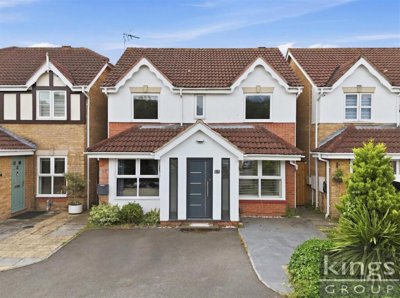
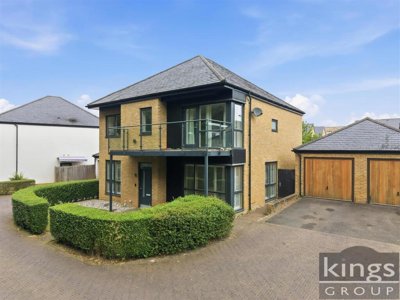
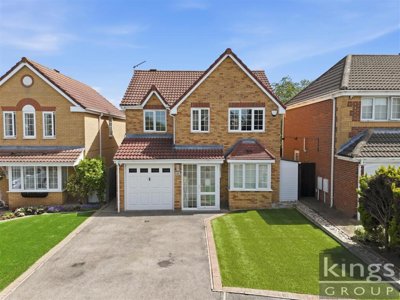
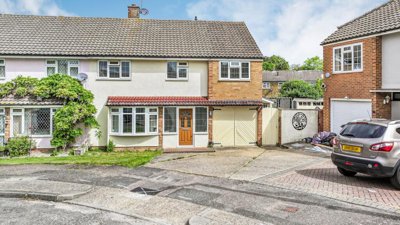
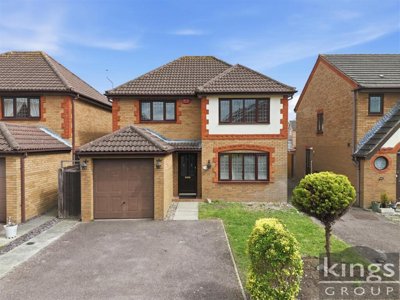
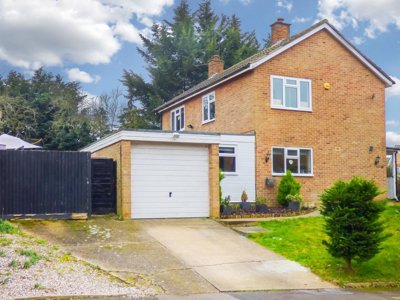
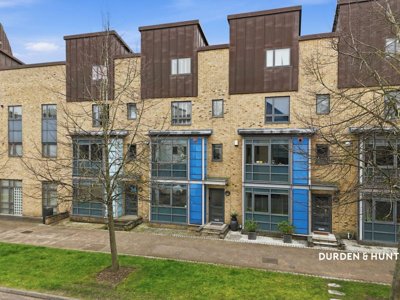
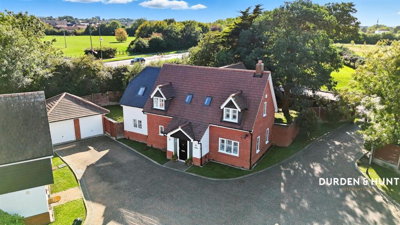
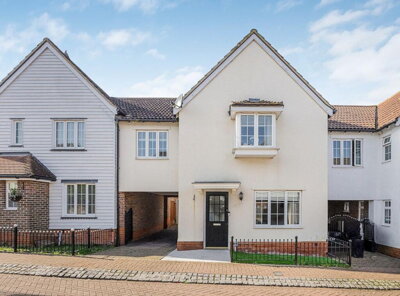
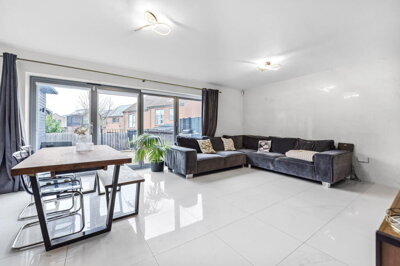
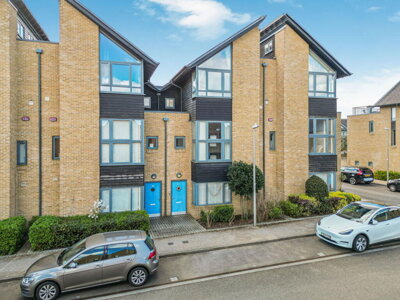
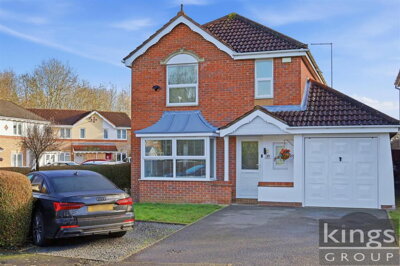
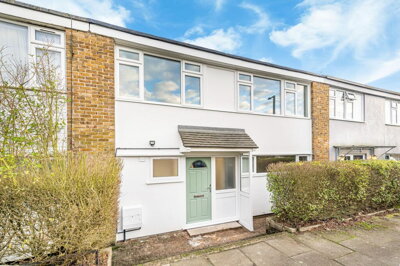
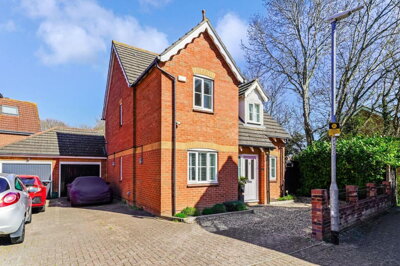
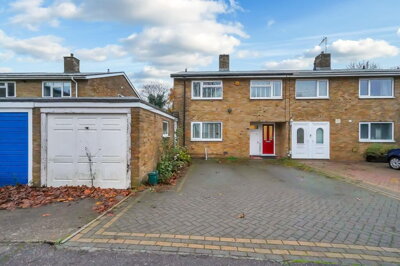
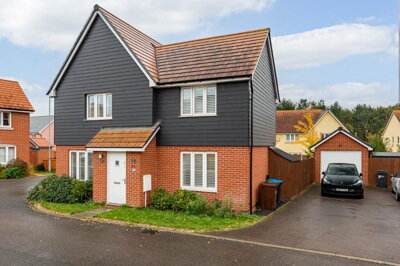
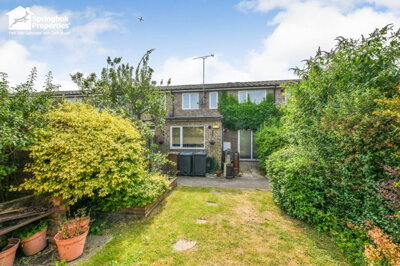
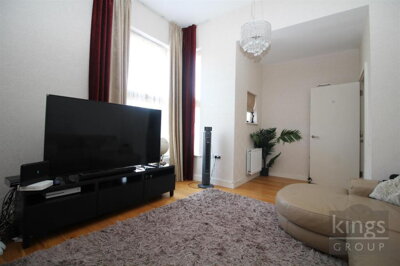
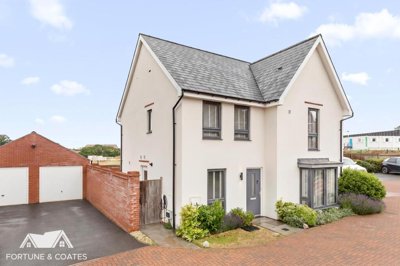
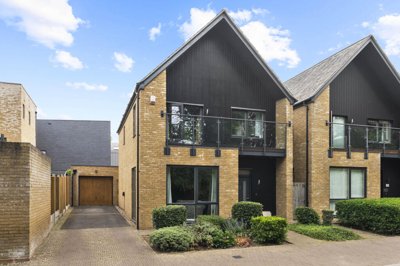
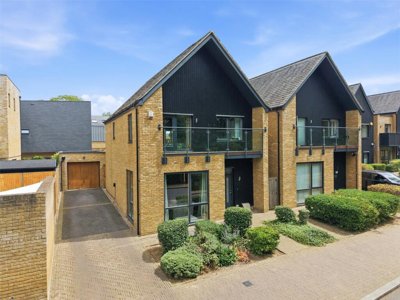
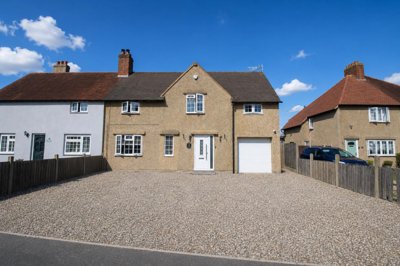
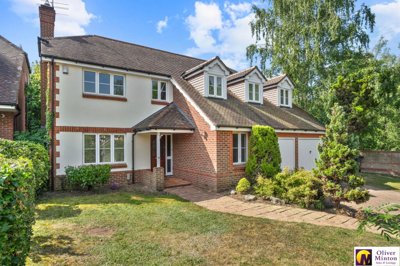
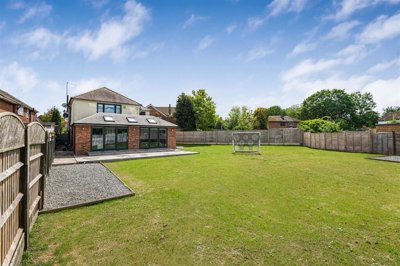
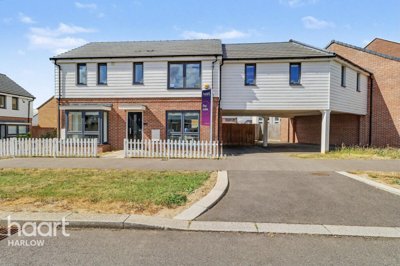
Browse 149 homes for sale in CM20 from local estate agents.
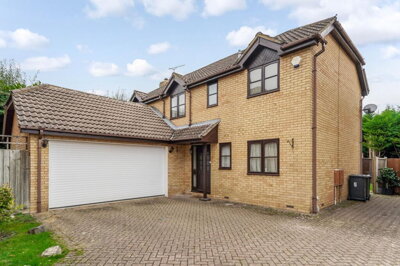
The larger property sector typically features multiple bathrooms, substantial reception space, and private gardens or off-street parking. Four bedroom houses in CM20 span detached, semi-detached, and occasionally terraced configurations, with styles ranging from period properties to modern executive homes.
£750k
10
0
138
Source: home.co.uk
Showing 10 results for 4 Bedroom Houses for sale in CM20. The median asking price is £750,000.
Source: home.co.uk
Semi-Detached
6 listings
Avg £731,667
Detached
2 listings
Avg £1.16M
Terraced
2 listings
Avg £750,000
Source: home.co.uk
Source: home.co.uk
In CM20, home.co.uk shows a wide spread of property types, and the price ladder is fairly easy to follow. Flats tend to be the starting point for many buyers, with terraced houses offering more space without moving straight into detached-house money. The semi-detached segment matters a lot in this postcode, sitting squarely in the middle of the market and drawing plenty of families and second-time buyers. Detached homes form the premium end of the local stock, reflecting both larger plots and the higher land values found on some of the older residential roads.
Recent sold-price evidence from homedata.co.uk points to a CM20 market that has stayed fairly steady, with values edging down slightly rather than shifting hard in either direction. We often find that this sort of market suits buyers who can move quickly on the right home, because sellers still expect sensible offers but are not usually under pressure to accept major cuts. New build supply looks limited within the postcode itself, so established homes take most of the attention. With traditional brick walls, tiled roofs and a good deal of older housing, a RICS Level 2 survey is usually a sensible early move here.

CM20 feels like an established commuter area, with an estimated population of about 35,000 to 40,000 and roughly 14,000 to 16,000 households. Housing is mixed across the postcode, though semi-detached homes account for around 30% to 35% of the market, detached homes about 25% to 30%, terraces around 20% to 25%, and flats or apartments about 15% to 20%. That balance gives the area appeal at several life stages, from solo buyers to larger households. Many of the homes are over 50 years old, which adds the settled feel and continuity that buyers often want.
The ground beneath CM20 is part of the story as well, shaped by London Clay, River Terrace Deposits and Alluvium around the nearby river valley. London Clay can bring a moderate to high shrink-swell risk, so homes with shallow foundations or large trees close by deserve extra care. Some parts of the postcode are affected by surface water flooding, and fluvial flood risk is present along the River Stort and its tributaries. Historic sections also include conservation areas and listed buildings, which add plenty of character but can bring tighter rules on maintenance and future alterations.
For families weighing up CM20, school access is often one of the first things we would look at because it can influence both daily routine and long-term value. The local mix of family housing, especially semis and detached homes, regularly attracts buyers who want space near schools, so catchment details are worth checking before an offer goes in. Primary and secondary choices across the wider area usually carry the most weight, though sixth-form options can shape buying decisions as well. Admissions rules and inspection reports do change, so the latest Ofsted results and catchment maps should be checked directly for any address under consideration.
Family houses in commuter locations often hold demand well when schooling is a big driver, and CM20 fits that pattern. We would compare walking routes, morning traffic and how easily older children can get to bus stops or rail services. Between two homes at a similar price, the one inside a preferred school zone can turn out to be the stronger long-term pick. It also helps if the whole chain is ready before an offer is made, because homes in the right catchment can draw interest quickly.
Education in the area does not stop at school age. Further education and vocational study matter too, especially for older teens and adult learners who want to stay tied into the local area. In practice, we would check travel times to sixth forms and colleges at the same time as the house itself, not as a separate issue. Many parents end up deciding that a slightly smaller home near the right school works better than a larger one in the wrong spot. CM20 tends to reward that sort of careful trade-off.

Rail links to London and Cambridge do a lot to shape how CM20 works day to day. For buyers who want a manageable commute without giving up shops, schools and open space, that carries real weight. Stansted Airport also plays a big part in the wider local economy, supporting both rental demand and owner-occupier interest across the region. For plenty of movers, that is the appeal in plain terms, a practical place to live that still feels residential rather than too central.
Road connections are another plus in CM20, particularly for buyers balancing home working with regional travel. Bus routes help with local journeys, and cycling can make sense for shorter trips around the neighbourhood and nearby amenities. On viewings, parking deserves a proper look, because older streets are often tighter than newer estates and some homes have limited driveway room. Where a car is essential, we would ask about resident parking rules, garage width and how difficult visitor parking becomes at busy times.
We would start with a mortgage agreement in principle, then compare deposit requirements, monthly repayments and the type of home that sits comfortably within budget in CM20.
Next, we would weigh up flats, terraces, semis and detached homes, while also checking flood risk, parking and distance to schools or rail links.
Good properties in the right price bracket do not always sit around for long, so we recommend booking viewings quickly when a suitable listing appears on home.co.uk.
In CM20, older houses, clay-soil settings and homes close to trees often justify a RICS Level 2 survey, while listed buildings or heavily altered properties may call for a more detailed Level 3 report.
Once an offer is accepted, we would get conveyancing moving straight away so searches, enquiries and contract checks can start without delay.
It helps to have the deposit, mortgage offer and paperwork ready, then work through the final checks so completion can happen smoothly when the seller is prepared.
Older housing makes up a large part of CM20, so condition matters every bit as much as the asking price. Research based on homedata.co.uk suggests well over 60% of the local stock is more than 50 years old, which means damp, roof wear and ageing services come up regularly. We think the more useful opening question is not only what the house costs now, but what it is likely to cost to maintain over the next five to ten years. A careful viewing should take in the walls, ceilings, roof coverings, guttering and windows, along with any signs that patch repairs have already been carried out.
One of the main technical points in this postcode is London Clay, as it can contribute to shrink-swell movement and raise the risk of subsidence or heave. Homes near mature trees need especially close attention, which is why surveyors place so much emphasis on soil type here. Flood risk belongs on the checklist too, particularly for properties near the River Stort or in areas with surface water concerns. Where a home has already had movement-related or flooding-related repairs, we would want to see the paperwork, guarantees and any insurance history before going further.
With flats, the finish and decoration only tell part of the story. We would also check service charges, reserve funds, lease length and any planned works. Older conversions and homes inside conservation areas can face tighter restrictions, which may affect windows, roofing materials or changes to the frontage. Traditional brick and tiled buildings can be both attractive and solid, but they still need proper maintenance, especially where render, timber cladding or original joinery is part of the build. Even when a property feels right in person, the paperwork still has to show that it is a safe and manageable purchase.
As of February 2026, homedata.co.uk records put the overall average house price in CM20 at around £380,000 to £400,000. Detached homes generally reach £550,000 to £600,000, while flats are more often around £190,000 to £220,000. Terraces and semis sit between those points, giving the postcode a useful range for different budgets. Over the last year the market has been fairly steady, with some sources indicating a change of about -1% to -3%.
Council tax is not uniform across CM20, so there is no single band that covers the whole postcode. The band will depend on the individual property, its assessed value and the local authority record attached to that address. For budgeting, we would check the band on the listing and then confirm it with the local council before an offer is made. That becomes especially helpful when comparing a flat, a terrace and a detached house, because the yearly bill can vary quite a bit.
The right school choice in CM20 usually comes down to the age of the children, the catchment area and the latest Ofsted position. Families often compare nearby primary and secondary options first, then look at sixth-form and college routes where older children are involved. Admissions and inspection results can shift over time, so current catchment maps and school websites are the best places to check before committing. Homes inside the right school zone can also hold value well because family demand tends to remain firm.
For commuting, CM20 is well positioned. Rail services make London and Cambridge realistic destinations, bus routes support local travel, and road access helps buyers who need to move around the wider Essex and Hertfordshire area. Stansted Airport adds another layer to employment and travel demand across the region, strengthening the commuter pull. If transport is a deciding factor, we would test the route from the exact street rather than relying only on postcode-wide averages.
From an investment angle, CM20 can appeal because it blends commuter demand, a varied housing stock and steady sales activity. homedata.co.uk records show around 250 to 300 sales in the last 12 months, suggesting an active market rather than a thin one. Homes with strong transport links, manageable upkeep and practical layouts usually make the better long-term bets. Flats can suit buyers seeking a lower entry price, while family semis often attract owner-occupiers and may be easier to sell on later.
For most buyers, stamp duty is charged at 0% up to £250,000, 5% from £250,000 to £925,000, 10% from £925,000 to £1.5 million and 12% above that. On a £380,000 purchase, the usual bill comes to £6,500 because the first £250,000 is charged at 0% and the remaining £130,000 at 5%. First-time buyers get relief up to £425,000, so a £380,000 purchase could attract no stamp duty at all if the buyer qualifies. We would also allow for legal fees, survey costs and mortgage fees, because SDLT is only one part of the overall buying cost.
A survey is usually money well spent in CM20, largely because so much of the housing is older and the local geology can lead to movement issues. For a conventional semi, terrace or flat in reasonable condition, a RICS Level 2 survey is often enough and gives a practical view of defects. Listed buildings, heavily altered properties and homes with visible problems may be better suited to a Level 3 Building Survey. In most cases, the extra fee is modest compared with the risk of missing damp, roof wear or subsidence.
From 4.5%
We recommend comparing mortgage rates and getting an agreement in principle in place before booking viewings.
From £499
Our related services include expert solicitors to handle the purchase from offer to completion.
From £450
For older homes, terraces and semis in CM20, we can arrange a homebuyer report.
Buying costs in CM20 begin with the property price, but stamp duty can still have a real effect on the budget. Under the current 2024-25 rules, standard SDLT is 0% up to £250,000, 5% from £250,000 to £925,000, 10% from £925,000 to £1.5 million and 12% above £1.5 million. First-time buyers pay 0% up to £425,000 and 5% from £425,000 to £625,000, with no relief above £625,000. On that basis, a typical £380,000 CM20 purchase would mean a standard stamp duty bill of £6,500, while many first-time buyers at £380,000 could pay nothing.
It usually makes sense to build the rest of the budget at the same time, rather than treating SDLT as the only added cost. In CM20, a RICS Level 2 survey often falls between £450 and £700 for a typical three-bedroom semi-detached home, and conveyancing through our related services starts at £499. Mortgage fees, moving vans, removals and smaller repair items can all push the figure up, especially where the survey identifies damp, roof repairs or timber issues. The buyers who plan best are often the ones who leave some room for negotiation, particularly on older homes with maintenance demands.
That matters even more in a postcode where mature housing and clay-soil conditions make careful budgeting important. If a property needs a Level 3 survey or specialist reports, those costs should be built in before the final offer is submitted. We would compare the asking price, the likely repair bill and the long-term running costs side by side. Once that is done, CM20 becomes much easier to judge on overall value rather than headline price alone.
Properties for Sale In London

Properties for Sale In Plymouth

Properties for Sale In Liverpool

Properties for Sale In Glasgow

Properties for Sale In Sheffield

Properties for Sale In Edinburgh

Properties for Sale In Coventry

Properties for Sale In Bradford

Properties for Sale In Manchester

Properties for Sale In Birmingham

Properties for Sale In Bristol

Properties for Sale In Oxford

Properties for Sale In Leicester

Properties for Sale In Newcastle

Properties for Sale In Leeds

Properties for Sale In Southampton

Properties for Sale In Cardiff

Properties for Sale In Nottingham

Properties for Sale In Norwich

Properties for Sale In Brighton

Properties for Sale In Derby

Properties for Sale In Portsmouth

Properties for Sale In Northampton

Properties for Sale In Milton Keynes

Properties for Sale In Bournemouth

Properties for Sale In Bolton

Properties for Sale In Swansea

Properties for Sale In Swindon

Properties for Sale In Peterborough

Properties for Sale In Wolverhampton

Enter your details to see if this property is within your budget.
Loans, cards, car finance
Estimated property budget
Borrowing + deposit
You could borrow between
Typical borrowing
Monthly repayment
Est. at 4.5%
Loan-to-value
This is an estimate only. Your actual budget may vary depending on interest rates, credit history, and personal circumstances. For an accurate affordability assessment, speak to one of our free mortgage advisors.
This calculator provides estimates for illustrative purposes only and does not constitute financial advice. Your home may be repossessed if you do not keep up repayments on your mortgage. Estimates based on 4.5% interest rate, repayment mortgage. Actual rates depend on your circumstances.
Homemove is a trading name of HM Haus Group Ltd (Company No. 13873779, registered in England & Wales). Homemove Mortgages Ltd (Company No. 15947693) is an Appointed Representative of TMG Direct Limited, trading as TMG Mortgage Network, which is authorised and regulated by the Financial Conduct Authority (FRN 786245). Homemove Mortgages Ltd is entered on the FCA Register as an Appointed Representative (FRN 1022429). You can check registrations at NewRegister or by calling 0800 111 6768.

We use cookies to show you personalised content and improve your experience of our website. Find out more in our Privacy policy and Cookie policy.