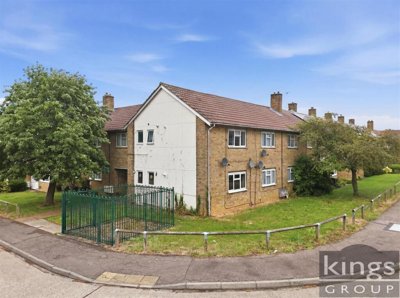
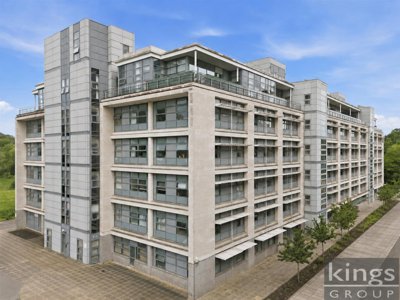
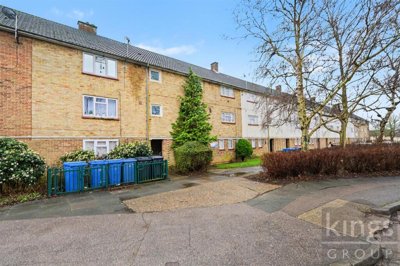
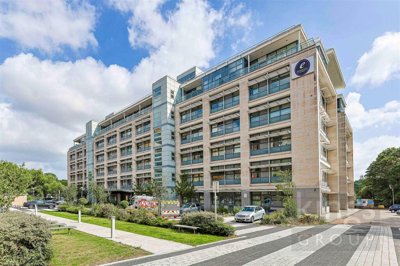
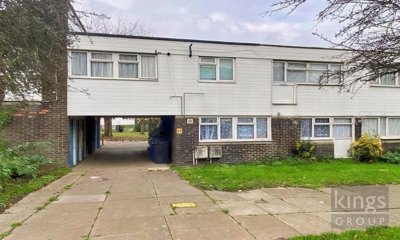
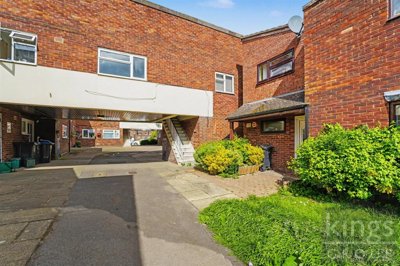
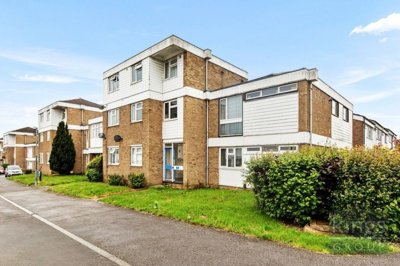
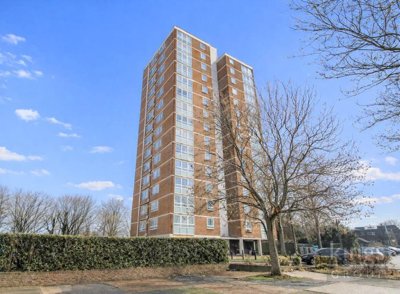
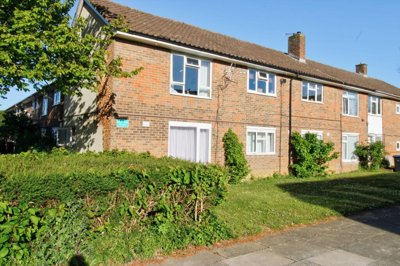
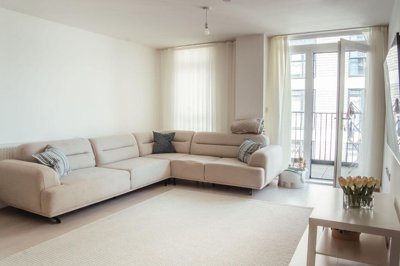
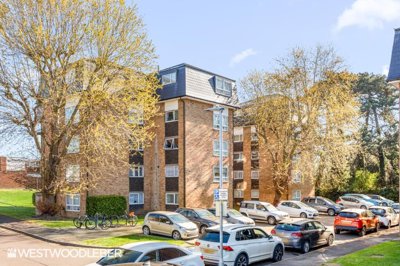
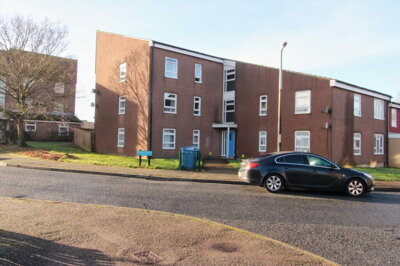
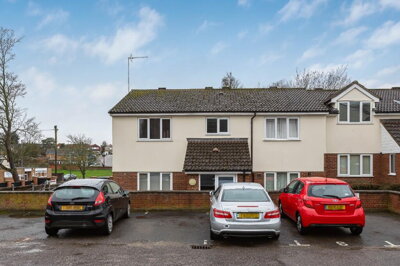
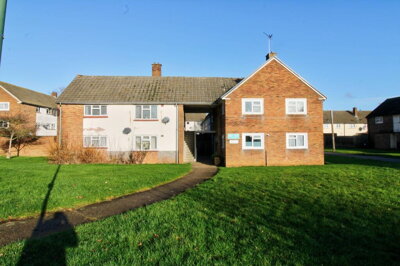
Browse 230 homes for sale in CM19 from local estate agents.
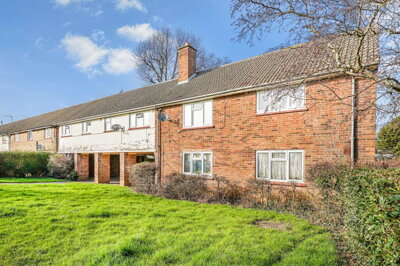
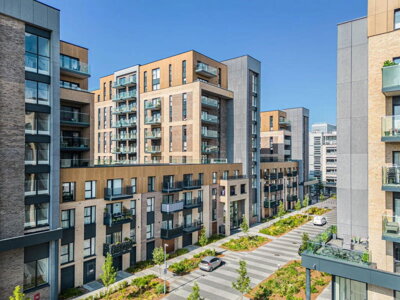
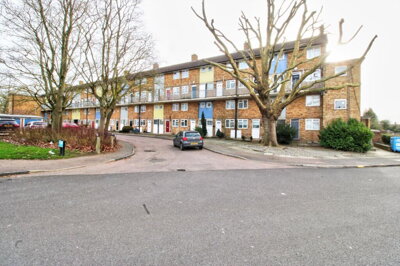
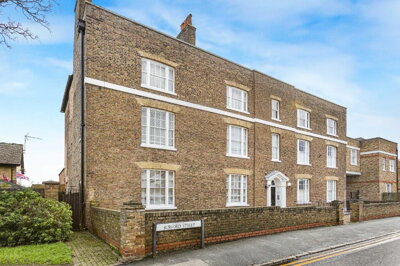
Studio apartments feature open-plan living spaces without separate bedrooms, incorporating sleeping, living, kitchen, and bathroom facilities. The CM19 studio market includes properties in modern apartment complexes, converted Victorian and Georgian buildings, and purpose-built developments.
£160k
11
1
90
Source: home.co.uk
Showing 11 results for Studio Flats for sale in CM19. 1 new listing added this week. The median asking price is £160,000.
Source: home.co.uk
Flat
11 listings
Avg £164,541
Source: home.co.uk
Source: home.co.uk
Across CM19, the property market has stayed fairly resilient even with wider national swings. Over the last year, average sold prices in the area were £463,284 according to home.co.uk listings data, while homedata.co.uk puts the figure at £350,000 (median). Looking back, values are now 2% lower than the previous year and 8% below the 2022 peak of £380,941, which may open the door for buyers who missed that earlier high point. The current average listing price is £463,284, down 6.09% over the past six months, a sign of a market adjusting to current economic conditions.
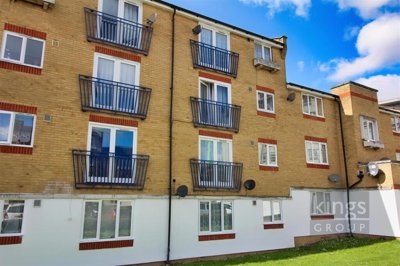
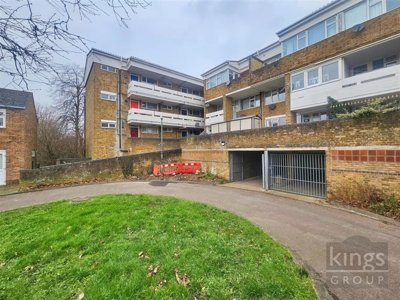
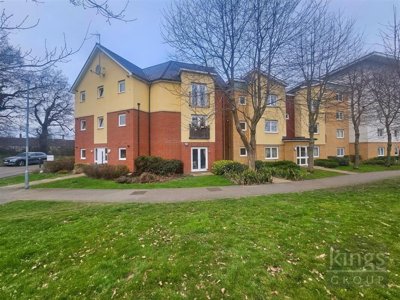
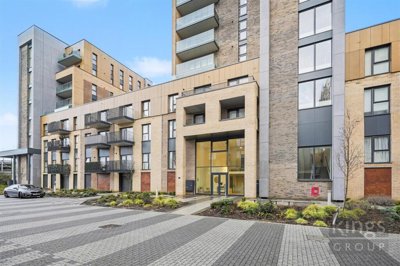
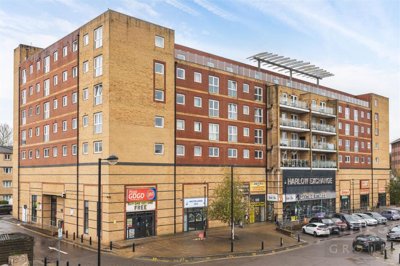
In CM19, the mix of homes is broad enough to suit different budgets and stages of life. Terraced houses make up the biggest share of the market and sell for an average of £334,767, which keeps them within reach for many first-time buyers. Semi-detached homes sit higher at an average of £522,000, giving families more room and a bit more privacy. At the top end, detached properties achieve much stronger figures, including a detached house in Fir Park, Harlow, that sold for £908,103 in December 2025. Flats are the lower-cost option at an average of £159,318, and they tend to appeal to young professionals or buyers after something easier to maintain.
The CM19 5 sub-postcode has been one of the brighter spots locally. House prices there grew by 5.0% in the last year, which works out as a real terms increase of 1.0% after inflation. That kind of localised growth usually points to certain pockets being especially popular, often because of schools, transport or day-to-day amenities. We always tell buyers to dig into the micro-location, because the wider CM19 headline only tells part of the story.
homedata.co.uk shows the average price in CM19 is 16.9% above the national average, which says plenty about the area's appeal for buyers weighing up commuting costs against space. With properties averaging about £463,284, and London equivalents for similar space sitting well into the £500,000s, CM19 still looks like solid value. The pullback from the 2022 peak has also left room for buyers to act in what has long been a stable commuter belt market.

Looking at property type is one of the quickest ways to narrow a CM19 search. Terraced homes are a big part of the market and usually come with two to three bedrooms, which suits first-time buyers and smaller families well. Many also have private gardens, and they are generally less demanding to maintain than a larger detached house. At an average of £334,767, they remain popular with buyers who want decent accommodation without paying a premium.
Semi-detached houses make up a substantial share of CM19 housing, and many date back to the post-war New Town era. A typical layout is three bedrooms, a separate dining room and a larger garden than you would usually get with a terrace. The average price is £522,000, reflecting the extra space and separation these homes offer. In plenty of established New Town estates, we also see generous rear gardens and off-street parking, which helps explain their continued popularity with growing families.
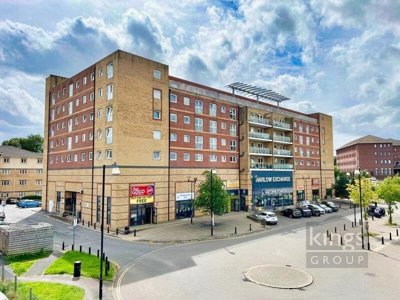
Detached homes in CM19 tend to command the strongest prices, especially where buyers can get close to well-regarded schools and useful transport links. One recent example was a detached house in Fir Park (CM19 4JZ), which sold for £908,103 in December 2025. At the other end of the scale, flats and maisonettes offer the most accessible route into the local market, averaging £159,318. That includes everything from studio apartments to two-bedroom flats for young professionals, downsizers and investors looking for rental yield.
CM19 is not only about standard suburban stock. In places such as Roydon, buyers can still find character homes, including conversion flats within striking Grade II listed buildings. Those properties often mix historic detailing with modern living, although listed status does come with tighter controls on alterations and renovation work. The overall result is a housing market with enough variety to suit very different budgets and preferences.

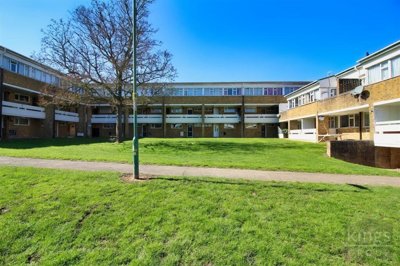
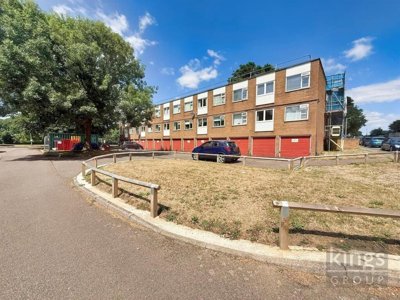
Most residential property in CM19 was built during Harlow's New Town development, which started after the 1947 designation. Much of that stock uses brick cavity wall construction with concrete tile or slate roofs. These houses and flats were usually solidly built for the period, but homes dating from the 1950s through the 1970s often show the same age-related issues, including worn roof tiles, weathered mortar joints and original damp-proof courses that have begun to fail. Our surveyors come across these patterns regularly in CM19, and spotting them early helps buyers focus on what matters most.
Some defects crop up time and again in CM19. Dampness is one, often showing as discoloured wall patches, peeling paint or mould, especially where original ventilation has been undermined by later double-glazing. Roofs are another common concern, with slipped or missing tiles, decayed lead flashings and sagging rooflines all worth close attention. We also still see many Harlow homes built before the 1980s with original galvanized steel pipework, which can corrode internally and restrict water flow after decades of use.
Electrical installations in New Town-era homes are not always up to current expectations. Where a property still has an original consumer unit from the 1960s or 1970s, we would want a qualified electrician to inspect it before purchase, because dated fuse boards and limited circuit protection can pose a real fire risk. Heating can be just as uneven, with some homes carrying part-updated systems that have been altered over the years but never fully modernised. That sort of hybrid setup is something we would flag for proper assessment during the survey process.
Not every CM19 property suffers from movement, but some do, particularly where foundations have been influenced by local soil conditions or past tree root activity. Cracks, sticking doors and uneven floors should never be brushed aside. Where we see those signs, a closer structural assessment is sensible. A RICS Level 2 survey covers all accessible areas and will pick up concerns that may need further investigation or specialist input before a purchase goes ahead.
For day-to-day living, CM19 gives buyers a mix of suburban practicality and green space that appeals strongly to families and commuters. Harlow town centre is close by, bringing shopping, restaurants and entertainment within easy reach. Markwell Wood, on the western edge of Harlow within CM19, is known for its conservation characteristics and gives that part of the postcode a more protected, greener feel. Conservation area status also signals a clear effort to preserve the environmental quality that makes certain CM19 neighbourhoods stand out.
Harlow changed dramatically after its 1947 New Town designation, and much of the housing in the wider area dates from that post-war phase through to the late 1970s. The legacy is still obvious in the planned residential zones, solid road network and accessible public services. Yet there is older character here too. In Roydon, for example, Grade II listed buildings such as The Millhouse at Roydon Mill and properties along High Street add a much older layer to the area. That contrast between New Town planning and historic village fabric gives CM19 a more varied feel than many buyers expect.
Parks, open spaces and leisure facilities are a real part of everyday life around Harlow, and they add to CM19's appeal for active households. For many buyers, the draw is straightforward, housing is more affordable than in London, commute times into the capital are reasonable, and the local amenities are wide-ranging. We see strong interest from London workers who want better value without losing access to the city. Families are often drawn by the schools, the established residential streets and the sense of community found in many CM19 neighbourhoods.
Roydon has a very different feel from the surrounding New Town areas, and that contrast is one of CM19's strengths. Along High Street, buyers will find historic cottages and converted farm buildings, many with listed status, which gives the village a character that post-war development rarely can. Roydon Marina adds another leisure element for people who enjoy being near the water, and the village still keeps core services such as a primary school and village pub. Within one postcode, that is quite a range of living environments.

CM19 has education provision for all ages, with primary and secondary schools spread across the Harlow area. Families moving in should still check individual performance through official Ofsted ratings, because school quality can vary and the best fit is not always the nearest. Harlow's New Town planning did at least put many schools within residential districts, which helps keep school-run travel times manageable. For secondary places in particular, we always suggest checking catchment boundaries before focusing on a property search.
For secondary education, residents in CM19 can choose from a number of schools in Harlow and the surrounding Essex districts. Sixth form options mean students can often stay local rather than travel further afield, and further education colleges in the wider area add both vocational and academic routes for school-leavers. Parents looking to buy should keep in mind that school performance differs from one institution to another. Streets close to a well-regarded school can feel the effect in property values.
State schools are not the only route. Depending on what a family wants, there may also be independent school options nearby, and it is worth comparing curriculum, extracurricular activities and any religious affiliation before narrowing things down. We often see buyers target specific CM19 postcodes because of catchment priorities alone. That can make timing crucial, so arranging viewings early for homes inside the preferred catchment is often the sensible move.
Having several primary schools within CM19 gives families a real choice over where to live. In Harlow, primary catchments are often tighter than secondary ones, so a move of only a few streets can affect which school a child is likely to attend. Parents should confirm the latest catchment boundaries with Essex County Council or the relevant admission authority, because they can change each year depending on demand and capacity. There is also a practical side to think about, homes near school gates on main roads may see noticeable congestion at drop-off and pick-up times.

CM19 works well for London commuters. Harlow Town railway station runs regular services into London Liverpool Street, and the journey is realistic for daily travel into the city. Bus routes and road links tie many CM19 neighbourhoods back to the station, so not every journey depends on getting in the car. Depending on where a buyer is looking within the postcode, other stations in the wider area may also be worth considering.
By road, CM19 is well placed for travel towards London, Cambridge and the rest of East Anglia. Harlow's position close to the M11 is a major part of that, although anyone driving at peak times should expect the usual congestion on the busiest routes. For buyers who only need to be in a London office now and then, that balance can work particularly well. The links are strong without demanding an excessively early start or an overly long journey.
Bus travel matters in CM19, especially for residents who do not drive. Arriva and other operators link local neighbourhoods with Harlow town centre, nearby towns and everyday amenities, which is useful for students, retirees and anyone happy to leave the car at home. Harlow's cycling infrastructure has also had more attention in recent years, with dedicated routes that make shorter trips, especially to the town centre and railway stations, more practical. When we help buyers weigh up one part of the postcode against another, local transport frequency and convenience are usually central to the decision.
From Harlow Town station, the trip to London Liverpool Street is usually around 35-40 minutes, which keeps CM19 firmly in commuter territory. Peak-time tickets cost more than off-peak travel, so buyers with flexible working or home-working arrangements can cut annual travel costs quite sharply. The station does have parking for those combining car and rail, but spaces are often in short supply during busier periods. Unsurprisingly, homes within walking distance tend to command a premium.

CM19 covers more than one style of neighbourhood, so it pays to compare areas properly before settling on a search. Schools, transport links and nearby amenities usually shape that choice first. Within the postcode, buyers can move between New Town estates in Harlow and the more village-like setting of Roydon, and each has its own advantages. Our property listings make it easy to filter by price, property type and location so we can narrow in on homes that match what you need.
Before arranging viewings, we usually suggest getting a mortgage agreement in principle from a lender. It strengthens a buyer's hand when an offer goes in and shows sellers that finance has already been considered. With the average CM19 property price at £463,284, most purchasers will be relying on substantial borrowing, so sorting this early helps avoid wasted time and disappointment. We can also put buyers in touch with mortgage advisers who know the CM19 market and the lending options that tend to fit it best.
Once a shortlist is in place, seeing properties in person matters. We recommend taking notes at each viewing and asking the estate agent about the home's history, any recent works and the reason for sale. Looking at several houses or flats side by side makes it much easier to judge condition and value properly. That is especially true in CM19, where many homes date from the post-war New Town period and comparison helps show whether an issue is common across the stock or specific to one property.
After a property starts to stand out, the next sensible step is to book a RICS Level 2 survey. In CM19, where a large share of the housing stock comes from the post-war period, that inspection is particularly useful for picking up the defects older homes often carry. The cost of a RICS Level 2 survey for a CM19 property usually starts at around £455, although larger or more complex homes can cost more. In our experience, a thorough survey can save buyers thousands in repair bills later and also strengthen their position in negotiations.
Once the right home appears, the offer goes through the estate agent. We would expect some negotiation on price, especially where survey findings, comparable sales and current market conditions support it. A mortgage broker can also help shape an appropriate figure in light of CM19 trends, including the 6.09% reduction over six months and the 2% annual decline. For buyers, that can mean scope to come in below the asking price with a well-argued offer.
After an offer is accepted, a conveyancing solicitor takes over the legal side of the purchase. They deal with searches, contracts and communication with the mortgage lender. In parts of CM19 such as Roydon or Markwell Wood, those searches may need to pick up extra points around conservation areas and listed building controls. On completion day, the keys are handed over and ownership of the new CM19 home becomes official.
There are a few location-specific points in CM19 that buyers should keep firmly in view. Some homes sit within conservation areas, including Markwell Wood, where planning controls can limit permitted development and changes to the exterior. Anyone thinking about altering a property there should speak to Harlow Council's planning department first. The rules exist to protect the area's character, but they can still affect renovation plans in a very practical way.
Listed buildings are another feature of CM19, particularly around Roydon. Buildings such as The Millhouse and various properties along High Street carry Grade II status, and that brings extra obligations with it. Alterations are more tightly controlled, and standard permitted development rights may not apply in the usual way. For those homes, we would often consider whether a survey beyond a basic RICS Level 2 is more appropriate, while also allowing for potentially higher survey costs and more involved renovation work.
CM19 is dominated by housing from Harlow's New Town expansion after 1947. These homes are usually brick-built, but they can still show the wear that comes with age, including damp, roof problems and outdated electrics. We strongly recommend a RICS Level 2 survey before purchase so defects are identified early. If a property has non-standard construction or greater age, a RICS Level 3 survey may be the better fit. And where a home is leasehold, the remaining lease term, ground rent and any service charges all need careful review before anything is committed.
With properties built before the 1980s, original features deserve a close look. In many New Town homes, that can mean single-glazed timber windows, older plumbing and dated heating systems or bathroom fittings. None of that automatically points to structural trouble, but it can mean immediate spending after purchase, which should feed into the offer price. We are also cautious with recently modernised homes, because cosmetic improvement can sometimes hide underlying issues where work was done to sell rather than to put defects right.

Based on home.co.uk listings data over the past year, the average house price in CM19 is £463,284. homedata.co.uk gives a slightly higher average sold price of £350,000 (median), while homedata.co.uk also indicates £463,284. The current average asking price for homes listed in CM19 stands at £463,284. Values are down 2% year-on-year and 8% from the 2022 peak of £380,941, although micro-locations such as CM19 5 have still recorded growth of 5% over the last year.
Depending on the exact address, CM19 properties fall under either Epping Forest District Council or Harlow Council. Council tax bands run from A to H, with many standard terraced and semi-detached homes usually sitting in bands B to D. Flats and smaller terraced houses often come in at band A or B, while larger semi-detached and detached homes in more sought-after locations may fall into bands E or F. The final band always depends on the assessed value of the property, and buyers can check the exact rating through the Valuation Office Agency website using the address.
CM19 has a good spread of primary and secondary schools serving Harlow, although we would still verify any current Ofsted ratings and rankings on the official Ofsted website before making a purchase decision. One advantage of Harlow's New Town design is that many schools were placed directly within residential districts. Even so, parents should look carefully at each school's performance, catchment rules and place availability, because those details can shape a move as much as the property itself. In CM19, secondary catchments in particular can be competitive, and homes within walking distance of well-rated schools often pick up a price premium.
Public transport is one of CM19's stronger selling points. Harlow Town railway station provides regular services to London Liverpool Street in about 35-40 minutes, while Arriva and other bus operators connect neighbourhoods across CM19 with the town centre, the station and nearby places including Epping and Harlow Mill station. For drivers, the M11 gives direct access towards London and Cambridge. Put together, those links make daily commuting feasible, and for many buyers the savings compared with living in the capital remain a major part of the appeal.
For investors, CM19 has a few obvious strengths. The average price of £463,284 sits well below many London averages, yet the transport connections to the capital remain strong. There is also evidence of resilience, with the CM19 5 sub-area posting 5% annual growth even while the wider market has corrected. Rental demand is helped by commuters looking for better-value housing than central London can offer, and typical three-bedroom properties achieve monthly rents of £1,500 to £1,800 depending on condition and location. As ever, we would still weigh local demand, likely yield and any future development plans before treating the numbers as the whole story.
For 2024-25, standard Stamp Duty Land Tax rates are 0% on the first £250,000, 5% on £250,001 to £925,000, 10% on £925,001 to £1.5 million, and 12% on anything above £1.5 million. First-time buyers get relief at 0% on the first £425,000, with 5% charged from £425,001 to £625,000. At the CM19 average price of £463,284, most standard buyers would only pay stamp duty on the portion above £250,000. That means approximately £10,664 for a typical purchase at that level, while a first-time buyer at the same price would pay nothing because of first-time buyer relief.
There are not many specific new build schemes within the CM19 postcode. What we do see more often is older stock that has been renovated, altered or extended, along with planning applications covering changes of use and residential conversions. That points to continued interest in the local market, even if most available homes are still second-hand properties from the post-war New Town era. For some buyers, established housing brings an advantage, any construction problems would usually have shown themselves over decades of occupation.
The true cost of buying in CM19 goes beyond the agreed purchase price. Stamp duty, solicitor fees, survey costs and moving expenses all need to be added in. On a property at the CM19 average price of £463,284, the standard 2024-25 stamp duty calculation applies only to the amount above £250,000, producing a bill of £10,664 payable to HMRC. First-time buyers at that level benefit from relief on the first £425,000, which can reduce the charge to nil or to only a very small amount. Once the price goes above £625,000, first-time buyer relief no longer applies to the full purchase price.
Legal costs can vary quite a bit. In CM19, solicitor conveyancing fees commonly fall between £499 and £1,500, depending on how complex the transaction is and whether the property is freehold or leasehold. Leasehold purchases usually cost more because the legal work has to cover lease terms, ground rent reviews and service charge arrangements in extra detail. Disbursements, including registration fees, local authority searches and bankruptcy checks, will usually add several hundred pounds to the bill. We work with conveyancing specialists who know the CM19 area and can provide competitive fixed-fee quotes.
We strongly recommend a RICS Level 2 survey for any CM19 purchase, not least because so much of the stock was built during Harlow's post-war New Town expansion. The national average cost is about £455, but once a property is worth more than £500,000 the figure is often closer to £586, and larger homes will rise from there. In Roydon, or where a property is older, listed or of non-standard construction, a RICS Level 3 survey may be the safer choice even though it comes at a higher cost. As a rough guide, setting aside £1,000 to £1,500 for surveys and legal fees is reasonable for a straightforward CM19 purchase, though leasehold or more complex transactions can push spending higher.
There are also the extra costs that tend to arrive at the end of the process, removals, possible mortgage arrangement fees and buildings insurance from completion day. Some lenders will also charge mortgage valuation fees. For a realistic overall budget, we would allow about 3-5% of the purchase price to cover the full set of buying costs, including stamp duty, legal fees, surveys and moving expenses. On a £463,284 property, that works out at roughly £13,900 to £23,200, depending on the buyer's circumstances and whether first-time buyer status applies.
From 3.84%
Expert mortgage advice tailored to CM19 property values
From £499
Specialist conveyancing solicitors for CM19 purchases
From £455
Professional property survey for CM19 homes
From £600
Comprehensive building survey for older CM19 properties
Properties for Sale In London

Properties for Sale In Plymouth

Properties for Sale In Liverpool

Properties for Sale In Glasgow

Properties for Sale In Sheffield

Properties for Sale In Edinburgh

Properties for Sale In Coventry

Properties for Sale In Bradford

Properties for Sale In Manchester

Properties for Sale In Birmingham

Properties for Sale In Bristol

Properties for Sale In Oxford

Properties for Sale In Leicester

Properties for Sale In Newcastle

Properties for Sale In Leeds

Properties for Sale In Southampton

Properties for Sale In Cardiff

Properties for Sale In Nottingham

Properties for Sale In Norwich

Properties for Sale In Brighton

Properties for Sale In Derby

Properties for Sale In Portsmouth

Properties for Sale In Northampton

Properties for Sale In Milton Keynes

Properties for Sale In Bournemouth

Properties for Sale In Bolton

Properties for Sale In Swansea

Properties for Sale In Swindon

Properties for Sale In Peterborough

Properties for Sale In Wolverhampton

Enter your details to see if this property is within your budget.
Loans, cards, car finance
Estimated property budget
Borrowing + deposit
You could borrow between
Typical borrowing
Monthly repayment
Est. at 4.5%
Loan-to-value
This is an estimate only. Your actual budget may vary depending on interest rates, credit history, and personal circumstances. For an accurate affordability assessment, speak to one of our free mortgage advisors.
This calculator provides estimates for illustrative purposes only and does not constitute financial advice. Your home may be repossessed if you do not keep up repayments on your mortgage. Estimates based on 4.5% interest rate, repayment mortgage. Actual rates depend on your circumstances.
Homemove is a trading name of HM Haus Group Ltd (Company No. 13873779, registered in England & Wales). Homemove Mortgages Ltd (Company No. 15947693) is an Appointed Representative of TMG Direct Limited, trading as TMG Mortgage Network, which is authorised and regulated by the Financial Conduct Authority (FRN 786245). Homemove Mortgages Ltd is entered on the FCA Register as an Appointed Representative (FRN 1022429). You can check registrations at NewRegister or by calling 0800 111 6768.

We use cookies to show you personalised content and improve your experience of our website. Find out more in our Privacy policy and Cookie policy.