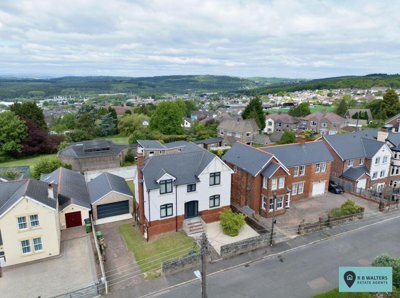
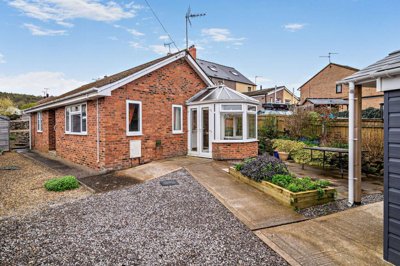
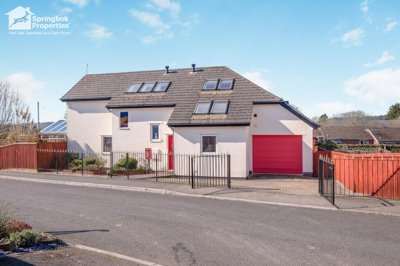
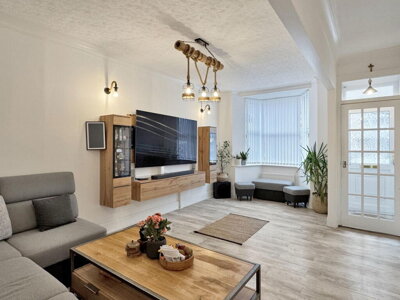
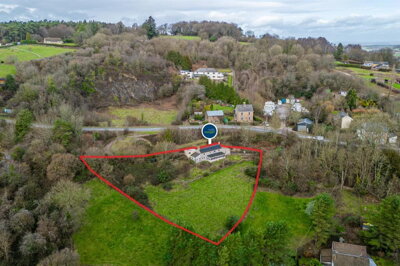
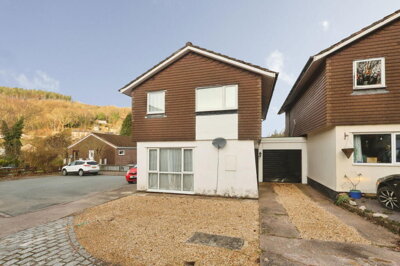
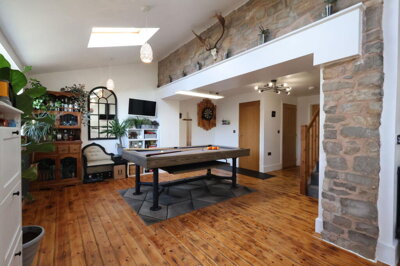
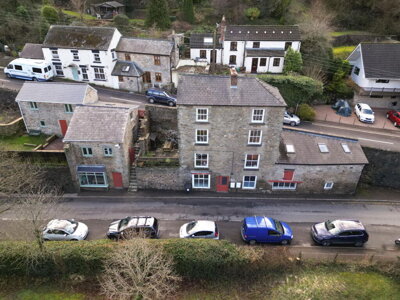
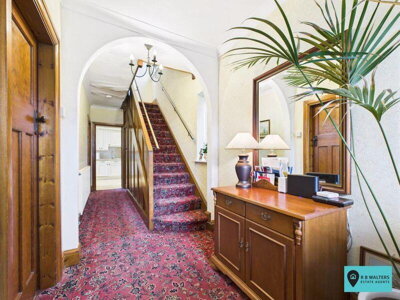
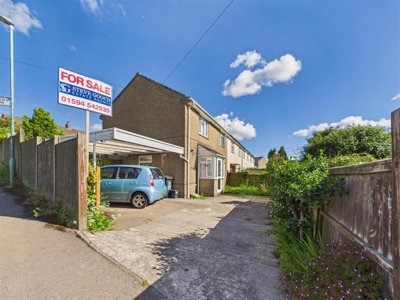
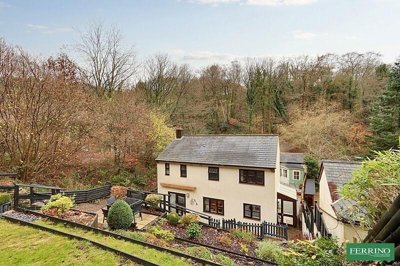
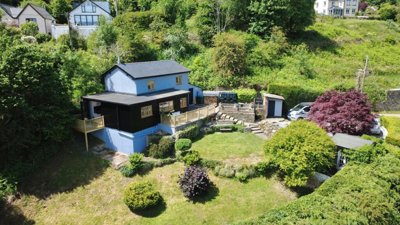
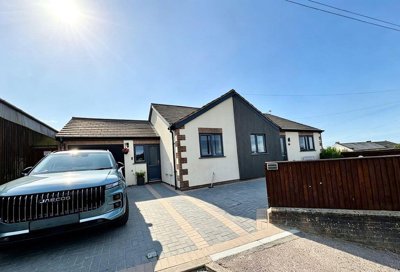
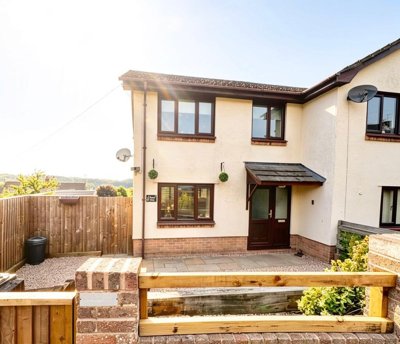
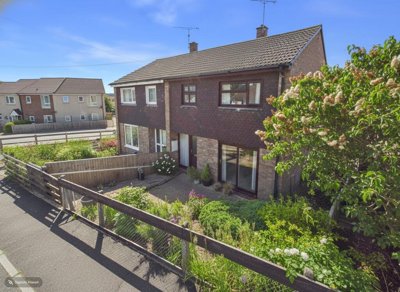
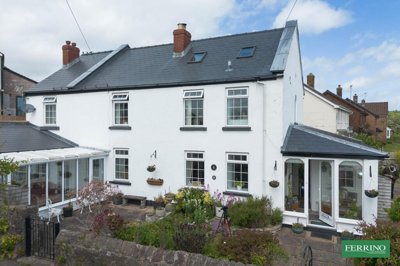
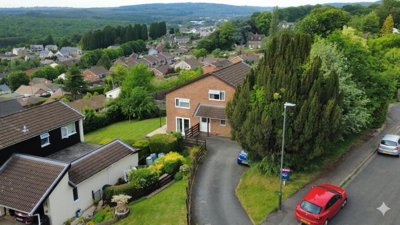
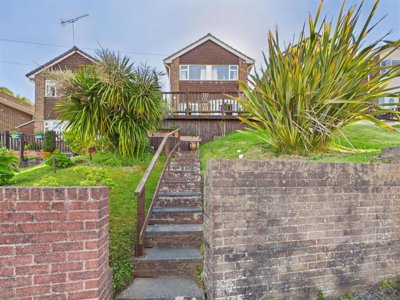
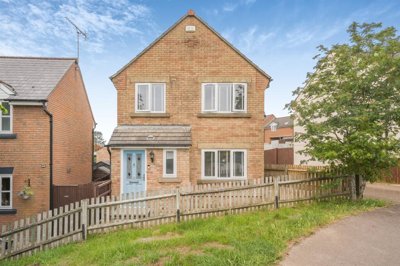
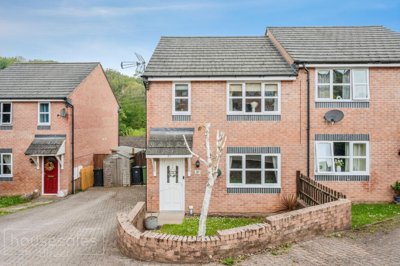
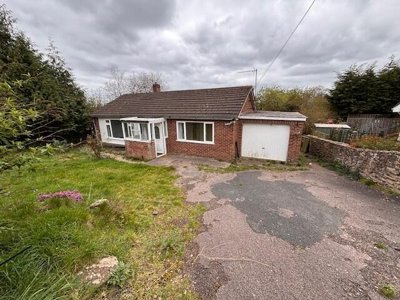
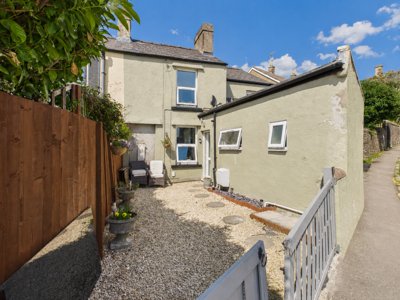
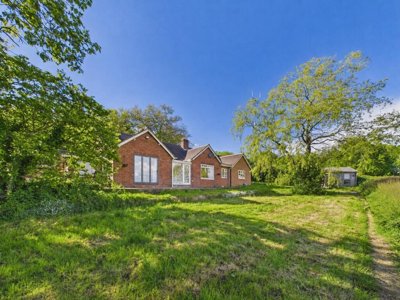
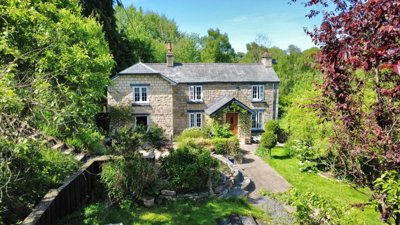
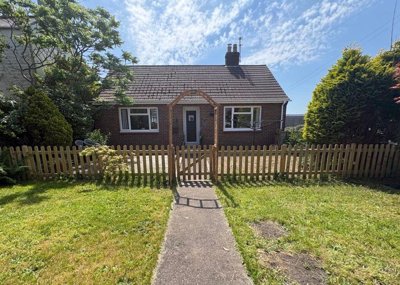
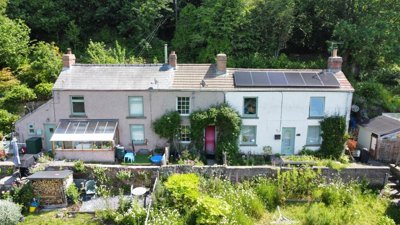
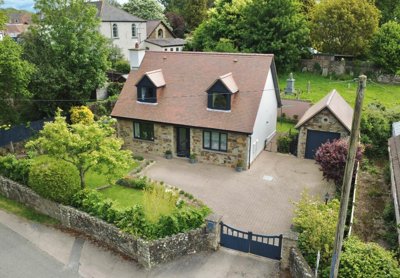
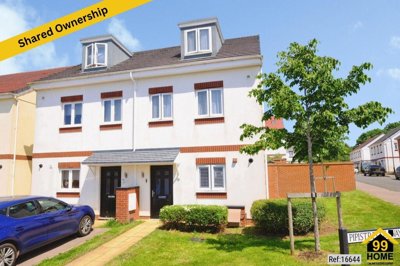
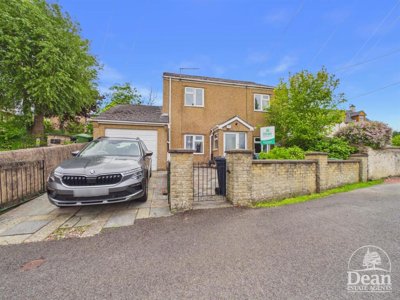
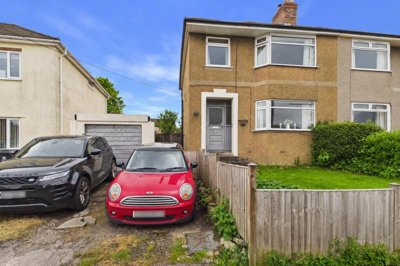
Browse 364 homes for sale in Cinderford, Forest of Dean from local estate agents.
The Cinderford property market offers detached, semi-detached, and terraced houses spanning various price ranges and neighbourhoods. Each listing includes detailed property information, photographs, and direct contact with the marketing agent.
£245k
77
5
162
Source: home.co.uk
Showing 77 results for Houses for sale in Cinderford, Forest of Dean. 5 new listings added this week. The median asking price is £245,000.
Source: home.co.uk
Semi-Detached
30 listings
Avg £237,765
Detached
29 listings
Avg £346,912
Terraced
18 listings
Avg £188,025
Source: home.co.uk
Source: home.co.uk
Cinderford gives buyers a fairly broad spread of price points. Detached homes sit at the top end, with current asking prices averaging around £324,471 and recent sales also coming in at approximately £324,471. Semi-detached properties look strong on value at an average sold price of £226,104, terraced houses remain the cheapest route in with average sold prices of £185,148, and flats carry an average asking price of £103,333, reflecting some higher-value apartment schemes in the town centre.
Across the past year, Cinderford recorded approximately 79 residential property sales. That is a slight drop of around 6% on the previous year. Even so, prices have been fairly steady, with sold values up a modest 2% year-on-year, while still sitting approximately 2% below the 2023 peak of £225,000. Asking prices have eased by 3.1% over the past six months, which can open the door for buyers ready to negotiate. The shift mirrors wider national conditions, but the local market is still moving and many sellers remain motivated.
Fresh supply is coming through locally. Bell Homes has recently secured final approval for 49 new homes off Valley Road, GL14 2PB, including one-bedroom flats, two and three-bedroom houses, and bungalows. That spread should appeal to more than one part of the market, from first-time purchasers after affordable accommodation to families needing extra space. The scheme sits on a former industrial site allocated in the Forest of Dean Local Plan, a clear example of brownfield land being reused for housing in Cinderford.

Cinderford grew out of the 19th century expansion of coal and iron, which turned this stretch of the Forest of Dean into a busy industrial centre. Much of that past still shapes the place now, especially in the rows of near-identical terraced housing that define so many streets. Population figures point to approximately 8,777 residents in the 2021 Census, and that scale still supports the close-knit feel people often notice, where neighbours tend to know each other and local firms depend on regular custom.
Regeneration has had a visible effect on the town centre, and retail and community facilities are still improving. Local employment comes from a mix of sources, including major retailers such as ALDI and ASDA, logistics through Evri, manufacturing businesses, and healthcare providers that serve the wider Forest of Dean area. Tourism has also become more important, bringing fresh activity as visitors come for woodland walks, historic sites, and the mining heritage that shaped the town. Places such as the Bull Engine House at Fairplay Pit and the Lightmoor Colliery pumping engine still tell that story well.
For many buyers, the big draw is right outside the town, 42 square miles of ancient forest. Walking trails, cycling routes and wildlife spotting are all on hand, from easy family outings to more demanding mountain bike rides. Day-to-day life is practical too. The Dilke Memorial Hospital serves the area, and there are independent shops, cafes and pubs for everyday needs without always having to head to a larger town. Affordable living, a strong community spirit and striking natural surroundings make Cinderford a convincing option for people looking for something calmer than a major urban centre.

Families moving here have a decent choice of schools. Cinderford itself and the nearby villages include several primary schools for children from Reception to Year 6, with Ofsted-rated good and outstanding options within easy reach of many neighbourhoods. For secondary education, Five Acres High School serves the town, and there are other choices across the wider Forest of Dean District, including schools in Coleford and Lydney.
Before choosing an area, it is sensible to check individual school results on the Ofsted website and look closely at catchment boundaries, especially as places can be competitive in popular villages around the Forest of Dean. Transport matters as well. For homes outside the immediate town centre, school bus arrangements can shape the daily routine more than buyers first expect. Younger children are also well served, with several nursery and pre-school settings in Cinderford providing early years education and childcare for working parents.
Older students are not cut off from further education. Regular bus services make daily travel to colleges in Gloucester and Cheltenham realistic, and Gloucestershire College in Gloucester offers a broad range of vocational and academic courses. Cheltenham adds several sixth-form colleges for students who want A-levels or more specialist qualifications. Taken together, the school and college options make Cinderford a practical base for families who want rural surroundings without giving up access to education.

Getting around from Cinderford is generally straightforward by road. The town lies near the A48, which gives direct access to Gloucester, approximately 15 miles away, and on to the M5 at junction 12 or 13. Commuters heading towards Cheltenham or other nearby towns usually find the network workable, while Bristol can be reached via the M5 and M4, though the trip is around an hour depending on traffic. The A48 also runs east towards Ross-on-Wye and Hereford for people travelling further afield.
Bus links cover the town and the surrounding villages, although some routes can be thin on frequency, especially in the evenings and at weekends. Stagecoach route 30 connects Cinderford with Gloucester, and other services run to Coleford and villages across the Forest of Dean. Rail travel means heading first to Gloucester or Lydney, the nearest stations, where passengers can join regional and national services, including trains to London Paddington via Bristol Parkway.
Home working is easier than it used to be here. Broadband reliability has improved, and fibre rollout continues across the town, with many properties now able to reach speeds that suit video calls and large file transfers. That matters for buyers who want flexibility, cutting down the number of commuting days each week. Paired with reasonable road access, it makes Cinderford a workable choice for professionals who want more affordable housing than many major cities can offer.

It helps to spend real time in different parts of Cinderford before narrowing your search. The feel can change from the historic terraces near the town centre to the quieter residential pockets closer to the forest. We usually suggest comparing local values, school catchments and commute times rather than judging an area on one quick visit. Go back at different times of day and on different days of the week, then the traffic levels, noise and general community atmosphere become much clearer.
Get a mortgage agreement in principle lined up before you start viewing seriously. It shows estate agents and sellers that funding is in place, and it can strengthen your hand when you come to offer on a Cinderford home. With average sold prices around £225,000, many buyers find their borrowing falls into lending bands where competitive interest rates are still available.
Once you have a shortlist, we can help you contact local estate agents through Homemove and book viewings for properties that fit what you need. During each visit, take notes and ask direct questions about the age of the building, any recent renovations, and planning permissions for neighbouring development. That matters in Cinderford, where approximately 59% of properties were built before 1965 and older housing stock needs close attention.
In Cinderford, a RICS Level 2 Home Buyers Survey is well worth arranging, especially for homes built before 1965. Our surveyors look for structural defects, damp and roofing issues that often turn up in older Forest of Dean properties. Local conditions matter too, so we pay close attention to the area's mining heritage and clay soils, checking for signs of subsidence, structural movement and indicators of flood risk.
After an offer is accepted, the legal work needs to start quickly. Your solicitor will deal with the purchase and order the usual searches, including local authority, drainage and water, and environmental checks to flag any issues affecting the property. In Cinderford, we would also expect a mining search, because the town's mining history makes it important to establish whether the ground may have been affected.
From there, your solicitor will arrange the contract signing and the payment of deposits ahead of completion. On completion day, the keys are released and you can start settling into your new Cinderford home. We can also point you towards local tradespeople, decorators and removal firms, which often makes those first few weeks easier.
There are a few local risks buyers should take seriously in Cinderford and the wider Forest of Dean. The Environment Agency has identified the Cinderford Brook catchment as capable of reacting quickly to heavy rainfall, which raises the chance of flash flooding in some locations. Steam Mills, New Town and lower-lying parts of the town can be more exposed to surface water flooding, so it is important to review flood risk reports and any record of previous flood damage before going ahead. Historic flooding in summer 2007 affected these areas badly, and there is anecdotal evidence linking some incidents to blocked drains and surface water runoff.
Mining is another issue that cannot be ignored here. Some homes stand on land affected by historic coal extraction, and while mining-related subsidence is not a problem across the whole town, longwall mining can lead to ground movement that affects buildings. After the coal industry declined in the 1950s and 1960s, many mines were abandoned, and shallow workings can sometimes cause severe localised disturbance or crown holes. We would want any buyer to have a careful structural survey, so signs of movement, cracking or subsidence are properly assessed before they become an insurance or repair problem.
The age and build type of Cinderford housing stock also shape running costs. Many properties were built with solid walls rather than cavity insulation, which can reduce energy efficiency and raise heating bills, particularly in larger detached and semi-detached homes dating from 1945 to 1980. Victorian houses often use local Pennant Sandstone and brick with lime mortar, and that calls for different maintenance from modern cavity-wall construction. Checking the Energy Performance Certificate rating, then costing any insulation upgrades, gives a more realistic view of ownership costs.
Damp is something our inspectors see regularly in Cinderford homes. Rising damp is commonest in buildings put up before damp-proof courses became standard, while penetrating damp often comes from defective gutters, damaged roof coverings or long-term poor maintenance. We also find condensation in some older houses where modern repairs have reduced natural ventilation. Where moisture takes hold, timber decay can follow, including dry rot and wet rot, so our surveyors check roof timbers, floor joists and window frames carefully.

The latest market picture puts the average asking price in Cinderford at around £246,746, with recent sold prices averaging approximately £225,000. Detached homes achieve stronger figures, averaging around £324,471 asking or £324,471 sold, while terraced properties average £185,148 sold. Semi-detached homes have sold for an average of £226,104. That leaves Cinderford notably cheaper than many similar towns across the South West, where equivalent property types often cost 20-30% more.
Council tax here comes under Forest of Dean District Council. Bands run from A to H, depending on the size and value of the property. In practice, many terraced homes and smaller semi-detached houses tend to sit in bands A to C, while larger detached properties and Victorian houses with extra bedrooms can fall into higher bands. We always suggest checking the exact band on the Valuation Office Agency website before you commit, because council tax is a regular annual cost that soon adds up.
School choices in and around Cinderford cover both the town and nearby villages. Primary provision includes schools in Cinderford itself as well as places such as Ruspidge and Coalway, and Ofsted ratings vary from one establishment to another. Five Acres High School is the main secondary school for the town, with other options available elsewhere in the district. For any family comparing areas, it is worth checking the Ofsted website and looking at school transport arrangements, especially for homes outside the immediate town centre.
Public transport is available, but buyers should look at it with care rather than making assumptions. Local bus routes connect Cinderford to nearby villages and to larger towns, including Gloucester on Stagecoach route 30. Frequencies can thin out in the evenings and at weekends, so checking current timetables before purchase is sensible. Gloucester and Lydney provide the nearest rail stations, with links into regional services and onward travel to major national destinations. For anyone depending on buses or trains every day, those connections need to be understood early.
For investors, Cinderford has some appeal because entry prices remain lower than in larger Gloucestershire towns. Regeneration in the town, together with new housing schemes such as the Bell Homes development off Valley Road adding 49 new homes, points to continued interest in the area. Demand for rentals may come from local workers, commuters seeking cheaper accommodation and people attracted by the Forest of Dean lifestyle. Returns will not be uniform, though, so investors should check tenant demand and yields at neighbourhood level rather than judging the whole town as one market.
Stamp Duty Land Tax is often less of a hurdle here than buyers expect. Standard residential rates start at 0% on the first £250,000, then rise to 5% on the portion from £250,001 to £925,000. Above £925,000, the rates move to 10% and then 12% on the share over £1.5 million. First-time buyers have higher thresholds, paying 0% on the first £425,000 and 5% from £425,001 to £625,000, although that relief stops for purchases above £625,000. With the average sold price at £225,000, most Cinderford purchases currently attract zero SDLT at standard rates.
Flooding is one of the main local checks we would urge buyers to make thoroughly. Parts of Cinderford sit within the Cinderford Brook catchment, an area identified as capable of a rapid response to rainfall, with flash flooding risk affecting Steam Mills, New Town and other lower-lying parts of the town. Summer 2007 brought significant flooding here. Our surveyors look for evidence of previous water ingress or damage and can advise on the next steps, while postcode-specific flood information is available from the Environment Agency.
Cinderford's history is tied to coal and iron ore mining, and that history still matters to property buyers. Some houses may stand above ground affected by earlier extraction. Not every property has trouble, but longwall mining can produce movement in the ground, and shallow workings can on occasion create localised disturbance. A mining search during conveyancing should reveal recorded mine entries or historic workings beneath a property. Alongside that, our structural surveys examine walls, foundations and visible cracking or movement that could point to mining-related subsidence.
From 4.5%
We arrange expert mortgage advice and competitive rates for Cinderford buyers.
From £499
We can also put professional legal services in place for your Cinderford property purchase.
From £400
Essential property survey for homes in Cinderford
From £80
Energy performance certificate for your new home
Buying costs in Cinderford go well beyond the advertised purchase price, so the budget needs to be realistic from the outset. Alongside Stamp Duty Land Tax, solicitor fees for conveyancing are typically around £500 to £1,500, with disbursements for searches adding several hundred pounds more. Survey fees need including too, and RICS Level 2 Home Buyers Surveys in Cinderford usually fall between £400 and £1,000 depending on the property's size and value. Mortgage arrangement fees, valuation fees and broker charges may also apply, depending on the lender and the product chosen.
For mortgaged buyers, the numbers in Cinderford often work in their favour. With an average sold price of £225,000, a typical purchase sits below £250,000, so under current standard rates the SDLT bill is zero, even though Stamp Duty only starts on the portion above £250,000. First-time buyers purchasing up to £425,000 would also pay no Stamp Duty under first-time buyer relief. Some mortgage deals include valuation fees, others charge them separately, so we think it is worth comparing the total package rather than just the headline rate.
After completion, the regular costs begin. Council tax, utility bills, buildings and contents insurance, and any service charges on a flat or leasehold property all need to be covered. In Cinderford, where many homes are Victorian terraces or mid-century houses, it is sensible to keep money aside for maintenance and the odd unexpected repair. Older properties may also need spending on energy upgrades, such as solid wall insulation or newer heating systems where modern insulation standards are missing. Our inspectors can flag where that sort of work may be worthwhile, helping you budget properly for homeownership.

Properties for Sale In London

Properties for Sale In Plymouth

Properties for Sale In Liverpool

Properties for Sale In Glasgow

Properties for Sale In Sheffield

Properties for Sale In Edinburgh

Properties for Sale In Coventry

Properties for Sale In Bradford

Properties for Sale In Manchester

Properties for Sale In Birmingham

Properties for Sale In Bristol

Properties for Sale In Oxford

Properties for Sale In Leicester

Properties for Sale In Newcastle

Properties for Sale In Leeds

Properties for Sale In Southampton

Properties for Sale In Cardiff

Properties for Sale In Nottingham

Properties for Sale In Norwich

Properties for Sale In Brighton

Properties for Sale In Derby

Properties for Sale In Portsmouth

Properties for Sale In Northampton

Properties for Sale In Milton Keynes

Properties for Sale In Bournemouth

Properties for Sale In Bolton

Properties for Sale In Swansea

Properties for Sale In Swindon

Properties for Sale In Peterborough

Properties for Sale In Wolverhampton

Enter your details to see if this property is within your budget.
Loans, cards, car finance
Estimated property budget
Borrowing + deposit
You could borrow between
Typical borrowing
Monthly repayment
Est. at 4.5%
Loan-to-value
This is an estimate only. Your actual budget may vary depending on interest rates, credit history, and personal circumstances. For an accurate affordability assessment, speak to one of our free mortgage advisors.
This calculator provides estimates for illustrative purposes only and does not constitute financial advice. Your home may be repossessed if you do not keep up repayments on your mortgage. Estimates based on 4.5% interest rate, repayment mortgage. Actual rates depend on your circumstances.
Homemove is a trading name of HM Haus Group Ltd (Company No. 13873779, registered in England & Wales). Homemove Mortgages Ltd (Company No. 15947693) is an Appointed Representative of TMG Direct Limited, trading as TMG Mortgage Network, which is authorised and regulated by the Financial Conduct Authority (FRN 786245). Homemove Mortgages Ltd is entered on the FCA Register as an Appointed Representative (FRN 1022429). You can check registrations at NewRegister or by calling 0800 111 6768.

We use cookies to show you personalised content and improve your experience of our website. Find out more in our Privacy policy and Cookie policy.