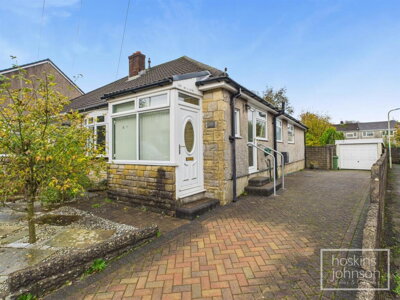
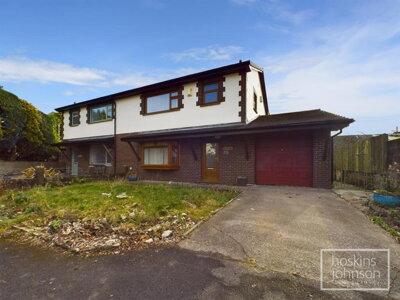
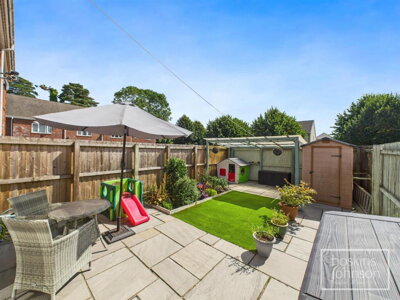
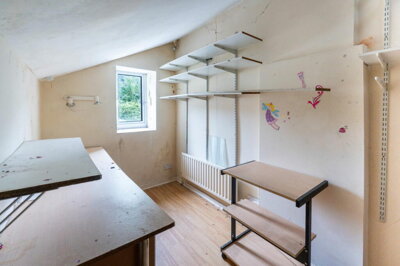
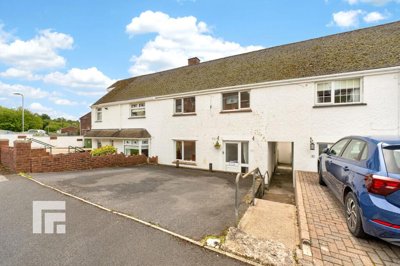
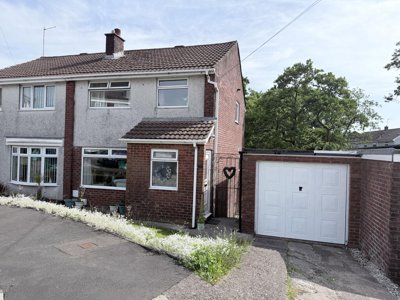
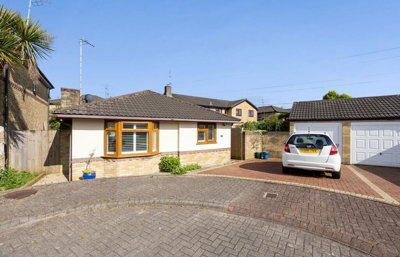
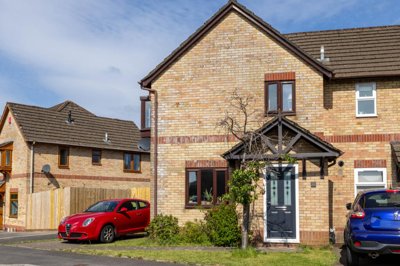
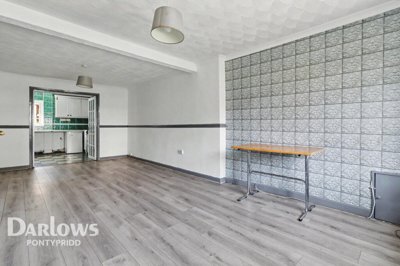
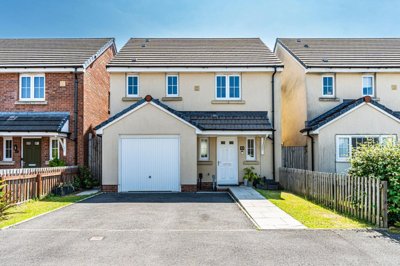
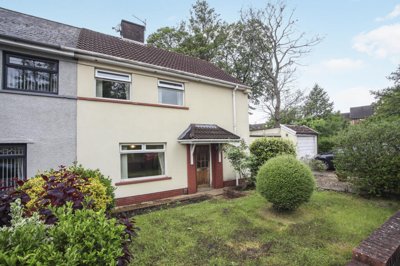
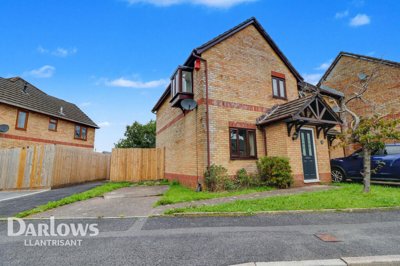
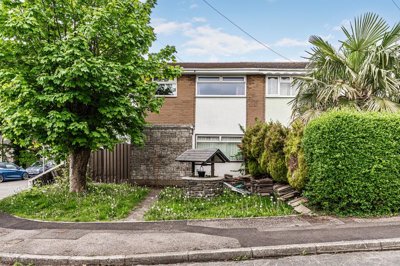
Browse 215 homes for sale in CF38 from local estate agents.
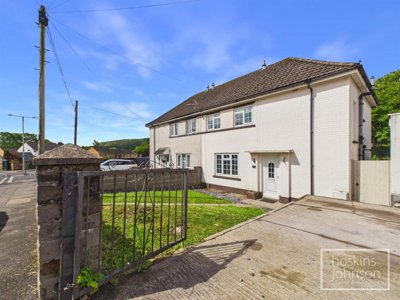
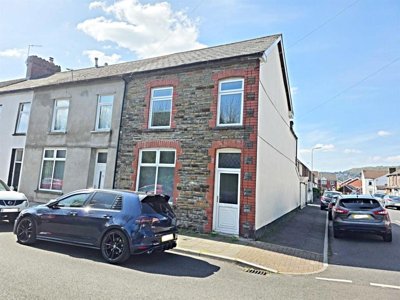
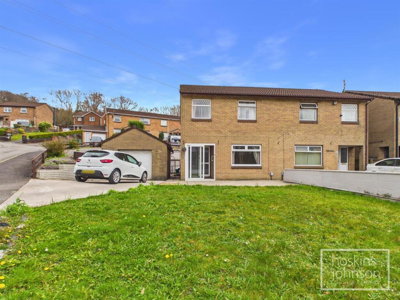
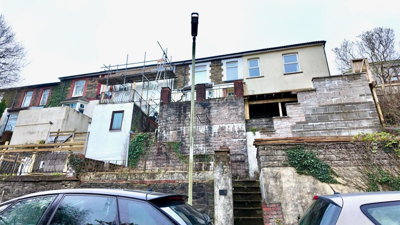
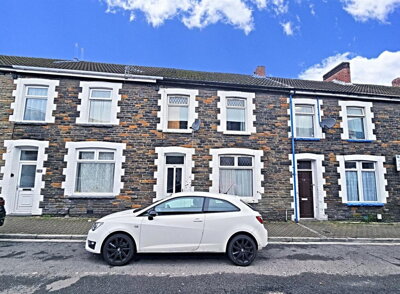
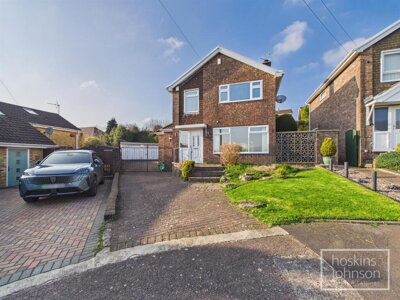
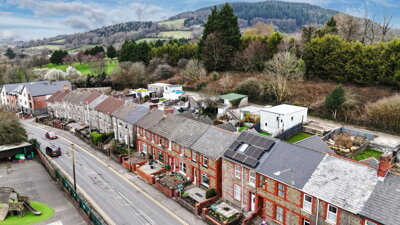
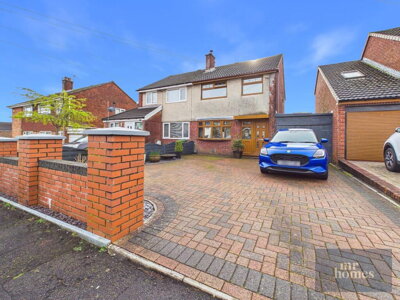
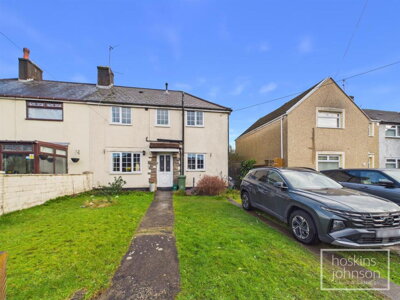
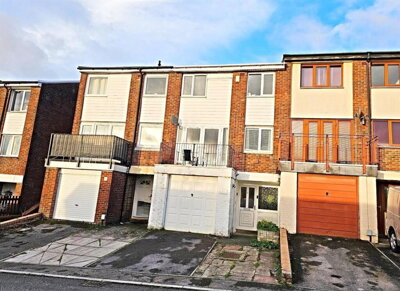
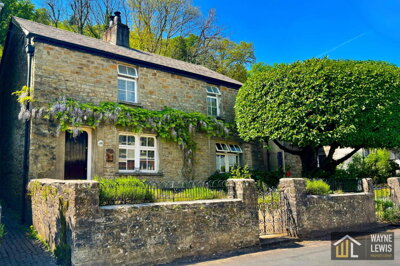
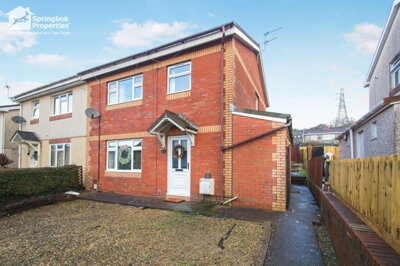
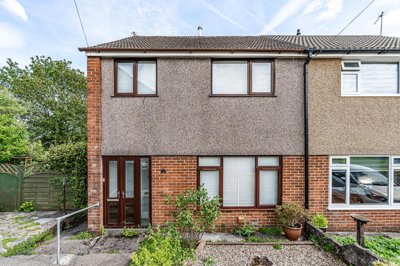
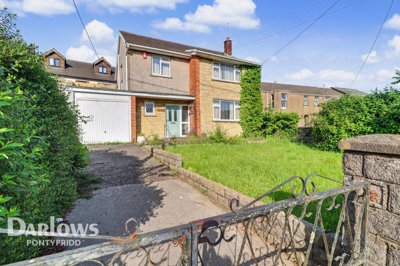
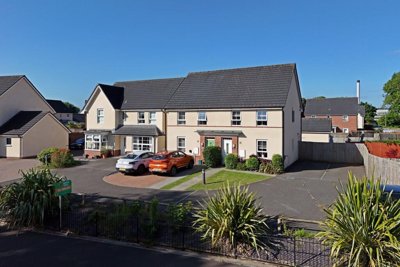
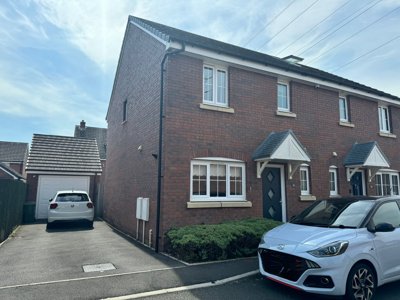
Three bedroom properties represent a significant portion of the CF38 housing market, offering space for families with multiple reception rooms and gardens in many cases. Browse detached, semi-detached, and terraced options ranging from period character homes to contemporary developments.
£252k
50
3
99
Source: home.co.uk
Showing 50 results for 3 Bedroom Houses for sale in CF38. 3 new listings added this week. The median asking price is £252,400.
Source: home.co.uk
Semi-Detached
39 listings
Avg £249,388
Terraced
6 listings
Avg £221,642
Detached
5 listings
Avg £373,400
Source: home.co.uk
Source: home.co.uk
CF38 has kept moving steadily, with average sold prices rising by 3% over the past year and now sitting 3% above the 2023 peak of £250,000. That kind of performance speaks to the lasting pull of South Wales valley communities, where buyers still get more affordable homes than in Cardiff, while keeping good links to the capital. Stretch the view further back and the picture is just as clear, prices in CF38 are up by 29.14% over the last five years, which points to solid, ongoing demand across the postcode.
Activity in the CF38 sales market reached 183 residential transactions in the last twelve months, down by 115 transactions against the previous year. Most of those sales sat in the £200,000 to £250,000 bracket, which accounted for 48 transactions, while 41 sales landed in the £150,000 to £200,000 range. Terraced homes averaged around £195,953, and flats in the postcode generally sold for about £121,250, so there is still choice for different budgets and situations. Housing here is mixed too, from traditional valley houses put up in the mining years to more recent schemes built over the last few decades.
Semi-detached houses are the main housing type in CF38, according to recent transaction data from home.co.uk. Detached homes still fetch the highest figures, averaging £427,830, which keeps them attractive to families wanting bigger rooms and larger gardens. Buyers also have a decent spread of stock to choose from, character homes in long-established streets, or newer builds with modern insulation and fittings. home.co.uk listings data shows an average sold price of £281,671 over the last 12 months according to homedata.co.uk, and both sources point to steady year-on-year growth.
Investment in CF38 remains fairly steady, helped by rental demand from Cardiff commuters, students at the nearby University of South Wales campus in Pontypridd, and families looking for a more affordable route than city living. Homes in the £200,000 to £250,000 range often appeal to both owner-occupiers and landlords, while rental yields vary depending on the property type, condition, and the exact spot within the postcode area.

CF38 covers a number of distinct communities, and each one has its own feel and everyday conveniences. Llantwit Fardre acts as a central point for the area, with local services and a village atmosphere that still feels close-knit. In the centre there are independent shops, a bakery, and several pubs where people meet for evening meals and weekend drinks. Church Village adds more shopping and community facilities, including a library and health centre, while smaller places such as Tonteg, Efail Isaf, Beddau, and Ty Nant offer quieter residential settings against the rolling hills of the South Wales valleys.
Green space is a real part of life here, thanks to the River Taff and its tributaries, plus public footpaths that give residents room to get outside. The Taff Trail, a well-used long-distance walking and cycling route, runs through the area and connects onwards to the Brecon Beacons for longer days out. Gwaelod-y-Garth and the hills around it give wide views across the valley, and the parks in Church Village provide playgrounds and sports facilities for families with children.
There is a busy local club scene too, which helps create a strong sense of belonging across the villages. The Llantwit Fardre Horticultural Society runs annual shows, and Church Village Community Centre puts on everything from yoga classes to local history talks. Rugby union has deep roots here, with Pontypridd RFC drawing loud support from across the postcode area. The wider Rhondda Cynon Taf area carries a strong industrial past, and many homes still show the traditional architecture of South Wales, while newer developments have widened the choice for families and professionals.
Day-to-day essentials are well covered in CF38, with GP surgeries, dental practices, and pharmacies spread across the villages. Food shopping is largely handled by Co-operative stores in the main settlements, while bigger supermarkets can be found in Pontypridd and Talbot Green. Some residents work in the Valero refinery area, and the expanding services sector in nearby towns gives further job options for people who prefer to stay local rather than commute to Cardiff.
Families thinking about CF38 will find a range of schools serving the area. There are primary schools across the villages, with well-known choices including Ysgol Gyfun Llantwit Major for Welsh-medium secondary education, alongside English-language secondary schools in the surrounding towns. Catchment areas matter a great deal, because admissions in Rhondda Cynon Taf are based on proximity and availability, so early research is sensible for households with school-age children. Applications go through the Rhondda Cynon Taf Council website, and offers are usually issued in April for September intakes.
Wales follows a different education structure from England, with Key Stage 2 ending at Year 6 and pupils moving on to secondary school from Year 7 onwards. Estyn, the Welsh education inspectorate, publishes regular school reports that can help parents weigh up the options. Recent Estyn inspections are best read alongside league table data, since the reports look at much more than exam results, including pupil wellbeing and teaching quality.
The University of South Wales campus in Pontypridd is close by, with higher education courses spanning business, computing, nursing, and engineering. The university also feeds into the local economy through student spending, and it brings young people in from across Wales and beyond. For households looking for faith-based education or a more specialist school, there are further choices within sensible travelling distance, including Catholic secondary schools in Cardiff for those prepared to commute.
Older students have clear routes onwards through sixth form provision and further education colleges in nearby towns. Coleg y Cymoedd offers vocational courses and A-levels, while the University of South Wales delivers undergraduate degrees across a wide range of subjects. Apprenticeship routes are also available through local employers and training providers, giving young people in CF38 practical alternatives to the traditional university path.
Transport links are one of the reasons CF38 is so popular with commuters heading to Cardiff and other major centres. Bus routes are well established, tying the villages into Pontypridd and beyond, with services run by Stagecoach South Wales and other local operators. Key routes connect Llantwit Fardre and Church Village with Pontypridd town centre, where interchange facilities open up further destinations. Frequencies change by route and time of day, though the busiest corridors can see peak-hour buses every 15-20 minutes.
Road access is another strong point, with the A470 trunk road linking the South Wales Valleys to Cardiff as it passes through Pontypridd and runs beside the River Taff. For motorists, junction 33 of the M4 is within reasonable distance, giving access to Swansea, Newport, and the wider motorway network. The A470 can get busy in rush hour, especially near the Nantgarw and Coryton interchanges, so anyone commuting should keep that in mind when estimating journey times.
From Pontypridd station, train services run regularly to Cardiff Central, and journey times of around 30-40 minutes make daily commuting realistic for people working in the capital. Services run through the day, with lower frequencies in the evenings and at weekends. Cardiff Central then opens up links to Bristol, London Paddington, and other major destinations on the Great Western Railway network, while Arriva Trains Wales provides services across South Wales.
The University of South Wales campus is easy to reach for students and staff using the regular bus services, or by car, with on-site parking available. Retail, healthcare, and education also provide local employment, which means some residents do not need to travel far for work. Cycling has improved too, with new cycle lanes added on certain roads, although the hilly ground still makes daily riding difficult in places. That is why e-bikes have become increasingly popular, they suit the topography better.
A sensible approach is to look at the different villages within CF38 and decide which one fits your lifestyle best. School access, transport, and local amenities all matter when narrowing things down. It also helps to visit at different times of day, so you can judge noise and neighbour activity for yourself. We would also check local crime figures and speak to residents about what it is like to live there.
We always suggest speaking to a mortgage broker and getting an Agreement in Principle before booking viewings. It gives your offer more weight and helps set a realistic budget from the outset. With average prices in CF38 around £281,671, most buyers will be looking at a mortgage of about £200,000-£250,000, although that changes with deposit size and individual circumstances.
Once the shortlist is ready, book viewings on homes that match your criteria. Bring notes and photographs so you can compare them properly afterwards. It is also sensible to return at different times of day to get a feel for noise and neighbour activity. CF38 has everything from traditional valley terraces that need work to modern detached family houses, so it pays to know exactly what you are standing in front of.
After an offer is accepted, we would arrange a homebuyer report to pick up any structural issues or defects. CF38 has a mining history and clay soils, so a proper survey is especially important here. Our inspectors commonly spot subsidence risk from clay shrink-swell, mining-related ground movement, damp in older properties, and timber defects in homes with suspended wooden floors.
Choose a conveyancing solicitor to deal with the legal side of the purchase. They will carry out searches, including a mining report (Con29M) for this former coalfield area, and steer the conveyancing process through to exchange. Solicitors with local Rhondda Cynon Taf experience can also talk buyers through the particular issues that affect CF38 properties.
Once the searches come back satisfactorily and contracts are exchanged, the completion date is fixed. On completion day, the keys are handed over for the new CF38 home. Leave time for utilities transfers and council tax registration, and do not forget to update the address with banks, employers, and other important contacts.
CF38 homes benefit from strong transport links to major employment centres and the natural beauty of the South Wales valleys. Buyers get more for their money than they would in Cardiff, with larger gardens and easy access to countryside walks. The communities here also have a strong social fabric, and the nearby University of South Wales supports a lively local economy, with shops, cafes, and services in Pontypridd town centre. At £281,671, the average property price offers clear value when set against Cardiff suburbs, where similar homes might cost £350,000 or more.
Anyone buying in CF38 should pay close attention to the local geology. The area sits on Carboniferous rocks, including coal measures, sandstones, and shales, while the clay-rich soils bring a moderate to high shrink-swell risk. Homes with large trees nearby can be especially vulnerable to foundation movement in dry spells, something our surveyors come across regularly in this part of South Wales. Look out for cracking in walls, particularly diagonal cracks around door and window openings, as they can point to historic or ongoing movement.
Because Rhondda Cynon Taf has a mining history, a mining search (Con29M) is vital for spotting any ground stability concerns. Old coal mining has left behind possible problems such as mine shaft collapse, shallow workings, and surface subsidence. This search should be ordered early by the solicitor, since the results can sometimes slow a transaction if a significant risk turns up.
Flood risk also needs checking, especially for homes near the River Taff and its tributaries. Surface water flooding can appear in built-up areas during heavy rainfall, so it is wise to look at Natural Resources Wales flood maps for the exact location. Properties in valley bottoms or close to drainage channels deserve extra attention. Many local homes were built using traditional methods with brick, render, and slate, and older houses may have solid walls instead of cavity construction, which affects insulation and renovation choices.
Among the defects our surveyors often identify in CF38 are penetrating damp in rendered walls where the finish has failed, slipped or broken slates on older roofs, outdated electrical installations that may no longer meet current regulations, and timber problems in properties with suspended ground floors. A RICS Level 2 Survey will highlight these issues and give professional guidance on the likely remediation costs and priorities.
CF38’s housing stock covers several eras, from Victorian terraces built for mine workers to modern executive homes developed in the 1990s and 2000s. Each period tends to bring its own familiar defects, and our surveyors are trained to spot them. Victorian and Edwardian properties in the valley areas often have solid walls without cavity insulation, original single-glazed windows, and suspended timber floors that can suffer from rot or woodworm over time. They also often show signs of rising damp where the original damp-proof course has failed, or was never fitted at all.
Mid-twentieth-century homes, including post-war council houses and private developments from the 1950s to 1970s, come with a different set of issues. Many have flat roof extensions that are now at the end of their life, original wiring that needs full replacement, and single-skin external walls with very little insulation. Our inspectors also find that concrete foundations from this period can be shallower than modern standards, which leaves properties more exposed to movement in clay soils.
The clay soils found across CF38 bring particular risks that deserve close attention. In long dry periods, clay contracts and can cause foundations to settle unevenly. When the rain comes back, the clay expands again, which can lead to heave and structural damage. Properties most exposed include homes with shallow foundations, plots with a high clay content, and places where large trees or hedgerows sit nearby and draw moisture from the ground. Our survey reports assess these risks and set out the right next steps where action is needed.
Mining-related defects are not limited to ground movement. They can also include ventilation problems in homes where old mine shafts have been covered rather than properly treated. Coal dust contamination can affect garden soil, and from time to time our surveyors find signs of spontaneous combustion in back gardens where shallow coal seams have caught. It is rare, but when it does happen specialist assessment is needed, and property values and mortgageability can be affected quite sharply.
The average property price in CF38 currently stands at approximately £281,671 according to home.co.uk listings data, with homedata.co.uk reporting £281,671 for the last 12 months. Detached properties average around £427,830, semi-detached homes at £232,893, terraced properties at £195,953, and flats approximately £121,250. Prices have risen by 3% over the past year and by 29.14% over the last five years, which shows why this Rhondda Cynon Taf postcode area continues to appeal to buyers looking for value against Cardiff.
CF38 falls within Rhondda Cynon Taf Council's area. Council tax bands run from A, the lowest, to H, the highest, and most family homes in the area sit in bands B through D. A typical semi-detached house in Church Village or Llantwit Fardre might be band C, while larger detached homes on modern estates could land in band D or E. Specific bands can be checked on the Welsh Government website or through Rhondda Cynon Taf Council's online portal using the property address.
There are several primary schools serving the villages in CF38, with secondary schools in nearby towns. The nearest secondary options include schools in Pontypridd and Talbot Green, while the Welsh-medium Ysgol Gyfun Llantwit Major is also within reasonable travelling distance. School performance changes from year to year, so recent Estyn reports are well worth checking before a purchase. Catchment areas are a major part of admissions, so it is essential to confirm which schools cover the property address, as postcodes close to village boundaries may fall into different admission areas.
Bus routes link the villages to Pontypridd and Cardiff, with Stagecoach services running the main corridors every 15-30 minutes during peak times. Pontypridd railway station provides regular trains to Cardiff Central, with journey times of around 30-40 minutes, which keeps commuting practical. Road access via the A470 also gives a route to the M4 at junction 33, making travel to Cardiff, Swansea, and Newport straightforward. In more rural parts of the postcode, such as Ty Nant and Efail Isaf, public transport can be more limited, with fewer evening and weekend services.
CF38 has seen steady growth of 29.14% over five years, with demand backed by commuters who want cheaper housing than Cardiff but still need capital access. Rental demand also comes from young professionals, students at the nearby University of South Wales, and families pushed out of Cardiff by prices. Buy-to-let investors can usually achieve rental yields of around 5-6% on terraced homes, and void periods are generally low because local demand is strong. Even so, it is wise to look closely at local rental yields, void periods, and future development plans before committing. The area’s mining history can also affect mortgage availability for some properties, so lenders should be checked first.
Standard SDLT rates (2024-25) apply in Wales, 0% up to £250,000, 5% on £250,001 to £925,000, 10% on £925,001 to £1.5 million, and 12% above £1.5 million. On a typical CF38 purchase at £281,671, the bill would be about £1,584 in stamp duty. First-time buyers in Wales may qualify for relief on homes up to £260,000, with 0% on the first £180,000 and 5% on £180,001 to £260,000. A stamp duty calculator or solicitor will confirm the exact liability based on the transaction and any reliefs that apply.
Because CF38 sits in a former coal mining area, we strongly recommend a mining search (Con29M) to check for historic mining activity that could affect ground stability. The search will show whether the property sits above old workings, shafts, or records of reported mining activity. Clay soils also create shrink-swell risk, especially where homes have shallow foundations or large trees nearby whose roots draw moisture out of the ground. Homes close to the River Taff or its tributaries should be checked against Natural Resources Wales flood maps, as river and surface water flooding can affect valley locations. Older properties may also need surveys that look at damp, timber defects, outdated electrics, or solid walls without cavity insulation.
New build schemes in CF38 are limited compared with some other South Wales postcodes, and most of the housing stock is established rather than brand new. St Brides Manor in Llantwit Fardre had new build activity in the mid-2000s, although those homes are now classed as established stock. New build chances can still appear from time to time through housing associations or private schemes, but buyers after modern homes may need to look at properties built since 2000 on established estates. It is always worth checking whether any development carries an NHBC warranty or a similar form of protection.
From 4.5% APR
From 4.5% APR, compare deals from multiple lenders
From £499
Professional legal services for your property purchase
From £400
Professional inspection of your potential new home
From £80
Energy performance certificate required for sale
Anyone buying in CF38 should budget for costs on top of the purchase price. SDLT applies to all transactions, and the standard buyer threshold is £250,000, so homes at or below that level pay zero SDLT. For properties priced between £250,001 and £925,000, the rate is 5% on the amount above £250,000, before rising to 10% in the next band and 12% above £1.5 million. At the current CF38 average price of £281,671, a typical buyer would pay about £1,584 in SDLT.
First-time buyers buying residential property in Wales may qualify for First-Time Buyer Relief, which gives SDLT exemption on the first £180,000 of the price, with 5% charged on £180,001 to £260,000. The relief applies to purchases up to £260,000 and needs confirmation that the buyer has never owned property anywhere in the world. As part of the conveyancing process, the solicitor submits the SDLT return to HMRC and pays the tax on the buyer’s behalf.
After stamp duty, there are still other costs to plan for. Conveyancing solicitor fees are usually £500 to £1,500, depending on complexity and whether a mortgage is involved. A RICS Level 2 Survey normally costs between £400 and £900+, with detached homes attracting higher fees because they are more complex. EPC assessments start from £80 and must be in place before marketing can begin. Mortgage arrangement fees can run from £0 to over £2,000 depending on the product, and surveys, searches including the essential mining report, plus moving costs, all need to sit in the budget too.
Removal costs also need a place in the budget, and they can run from £300 for a small flat move to £2,000 or more for a family home with full contents. Buildings insurance must be in place from exchange of contracts, and for a typical CF38 property it usually costs £200-£500 a year. Surveyor and solicitor searches, including the vital Con29M mining search for this former coalfield area, normally come to £200-£400. First-time buyers should also allow for mortgage valuation fees if these are not already included in the product deal.

Properties for Sale In London

Properties for Sale In Plymouth

Properties for Sale In Liverpool

Properties for Sale In Glasgow

Properties for Sale In Sheffield

Properties for Sale In Edinburgh

Properties for Sale In Coventry

Properties for Sale In Bradford

Properties for Sale In Manchester

Properties for Sale In Birmingham

Properties for Sale In Bristol

Properties for Sale In Oxford

Properties for Sale In Leicester

Properties for Sale In Newcastle

Properties for Sale In Leeds

Properties for Sale In Southampton

Properties for Sale In Cardiff

Properties for Sale In Nottingham

Properties for Sale In Norwich

Properties for Sale In Brighton

Properties for Sale In Derby

Properties for Sale In Portsmouth

Properties for Sale In Northampton

Properties for Sale In Milton Keynes

Properties for Sale In Bournemouth

Properties for Sale In Bolton

Properties for Sale In Swansea

Properties for Sale In Swindon

Properties for Sale In Peterborough

Properties for Sale In Wolverhampton

Enter your details to see if this property is within your budget.
Loans, cards, car finance
Estimated property budget
Borrowing + deposit
You could borrow between
Typical borrowing
Monthly repayment
Est. at 4.5%
Loan-to-value
This is an estimate only. Your actual budget may vary depending on interest rates, credit history, and personal circumstances. For an accurate affordability assessment, speak to one of our free mortgage advisors.
This calculator provides estimates for illustrative purposes only and does not constitute financial advice. Your home may be repossessed if you do not keep up repayments on your mortgage. Estimates based on 4.5% interest rate, repayment mortgage. Actual rates depend on your circumstances.
Homemove is a trading name of HM Haus Group Ltd (Company No. 13873779, registered in England & Wales). Homemove Mortgages Ltd (Company No. 15947693) is an Appointed Representative of TMG Direct Limited, trading as TMG Mortgage Network, which is authorised and regulated by the Financial Conduct Authority (FRN 786245). Homemove Mortgages Ltd is entered on the FCA Register as an Appointed Representative (FRN 1022429). You can check registrations at NewRegister or by calling 0800 111 6768.

We use cookies to show you personalised content and improve your experience of our website. Find out more in our Privacy policy and Cookie policy.