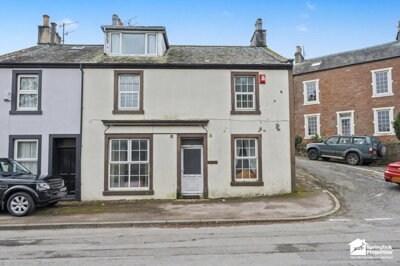
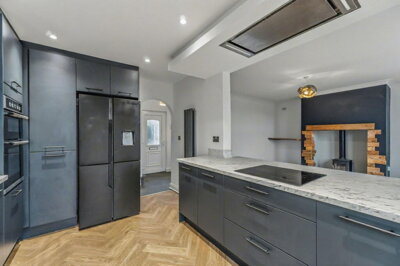
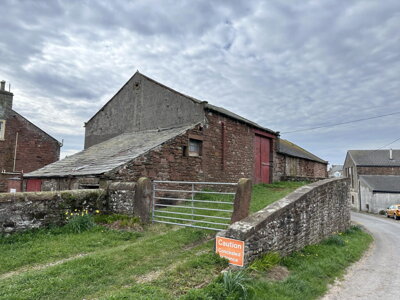
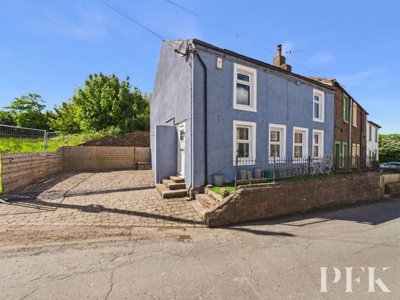
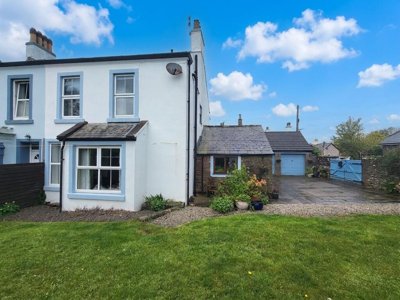
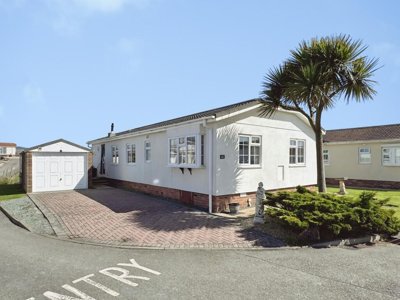
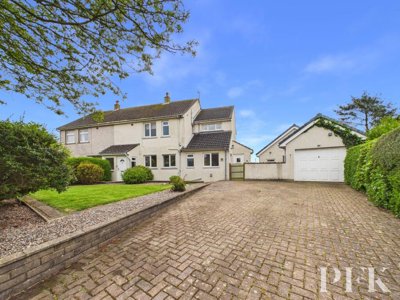
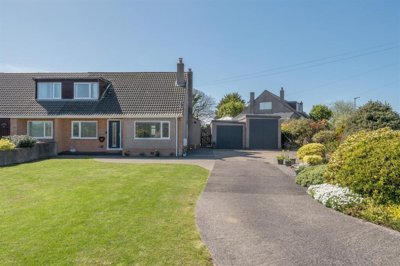
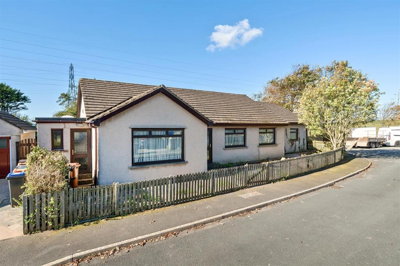
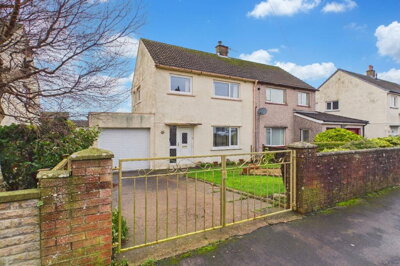
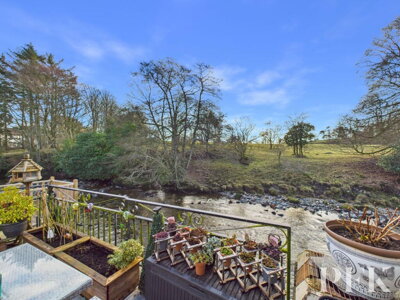
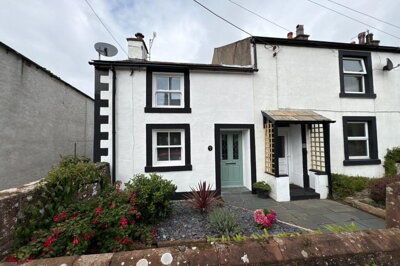
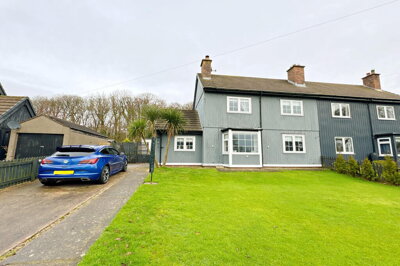
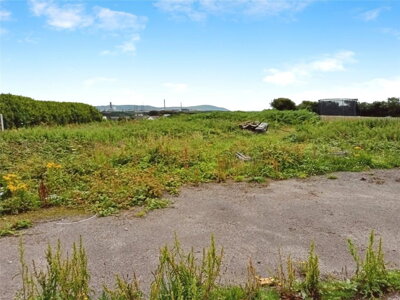
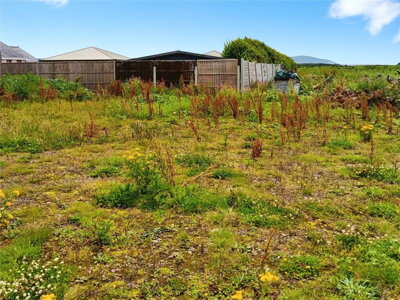
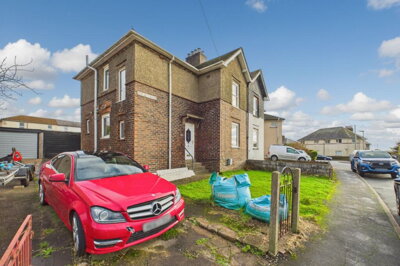
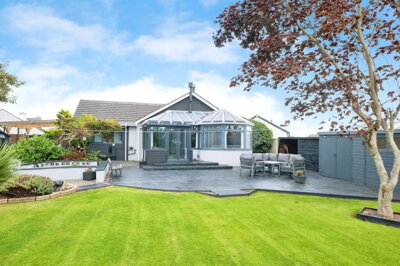
Browse 37 homes for sale in CA21 from local estate agents.
£200k
14
0
201
Source: home.co.uk
Source: home.co.uk
Detached
3 listings
Avg £218,167
Detached Bungalow
3 listings
Avg £243,333
Semi-Detached
3 listings
Avg £200,000
Cottage
2 listings
Avg £262,475
House of Multiple Occupation
1 listings
Avg £135,000
Not Specified
1 listings
Avg £199,950
bungalow
1 listings
Avg £245,000
Source: home.co.uk
Source: home.co.uk
CA21 has seen steady, measured growth over the past twelve months, with prices up by 1.5% across all property types. It is the sort of market that suits both owner-occupiers and investors looking for dependable returns, rather than the sharp swings more common in bigger cities. We recorded 100 property sales in the last twelve months, a sign that demand remains healthy for quality homes in this part of West Cumbria. A broad mix of housing keeps the market useful for different budgets and buyer needs.
Prices in CA21 shift quite a bit depending on the type and size of home. Detached properties average £375,000, which reflects the value placed on space and privacy in this semi-rural setting. Semi-detached homes sit at £220,000, while terraced properties average £185,000 and give buyers a more accessible route in. Flats average around £100,000, although there are fewer of them. That spread gives buyers room to choose something that fits their circumstances.
Fresh stock is still coming through in CA21 through new build schemes. Story Homes has three, four, and five-bedroom properties at Beckstones in Bigrigg, with prices from £299,995 and CA21 2YA postcodes. Lovell Homes offers two, three, and four-bedroom homes at Whinfield Place in Egremont, starting at £199,950 with CA21 2XQ addresses. For buyers drawn to modern layouts and energy-efficient design, these developments bring another option, and the pricing sits competitively against the wider local housing stock.
Price movement has stayed fairly even across the board over the last twelve months. Detached properties rose by 1.4%, semi-detached homes recorded the strongest growth at 1.6%, terraced properties were up by 1.5%, and flats climbed by 1.0%. That sort of balance usually points to a market that is moving forward without one segment racing away from the others. For anyone wary of volatility elsewhere, CA21 looks reassuringly steady.

CA21 combines Cumbrian countryside character with everyday practicality. The postcode area has a population of approximately 7,500 residents across roughly 3,200 households, and that scale helps the communities feel close-knit and familiar. Housing is varied too, with 35% detached properties, 30% semi-detached, 25% terraced, and 10% flats. Buyers can opt for the independence of a detached house with a garden, or choose the feel of a traditional terraced cottage with original features.
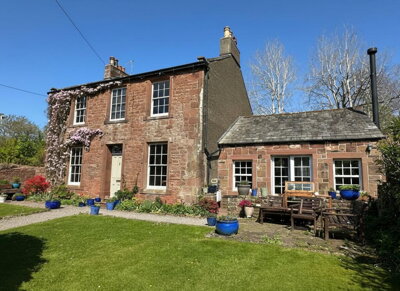
The building fabric in CA21 says a lot about the area’s past and the materials available locally. Older homes are often built from locally-sourced stone, usually grey or reddish sandstone that gives villages their distinctive look. From the early twentieth century onwards, brick became more common, and some properties were finished with render. Around 70% of homes in CA21 were built before 1980, so a large share of the stock is over fifty years old. Stone walls, timber suspended floors, pitched roofs and natural slate remain part of the picture.
Looking at age bands, CA21 has some clear patterns for buyers to weigh up. Around 25% of properties predate 1919, which makes them the oldest part of the stock and often the most traditional in build. Homes from 1919 to 1945 make up 15%, while 30% were built during the 1945-1980 period. The remaining 30% came after 1980, so there is a decent slice of more modern construction with cavity wall insulation and contemporary standards. That mix gives buyers a real choice between character and convenience.
Employment in the local area is supported by Sellafield, whose nuclear site provides substantial jobs and helps sustain housing demand from workers looking to live within commuting distance. Tourism linked to the Lake District National Park also feeds into the local economy, with visitors coming for the scenery, coastal walks, and outdoor pursuits. Agriculture still has a strong presence in the more rural parts of CA21, keeping alive a long-standing rural heritage. Together, those strands give the area a useful degree of economic resilience.

Families moving to CA21 have a workable set of primary schools serving the local communities. The nearest options are usually in the villages and towns within the postcode, so early years and Key Stage One education is often within easy reach. That accessibility makes the area appealing to parents with young children, because the school run does not have to involve long journeys. Catchment areas and admission rules can differ from one community to another, so it is sensible to check them carefully for the part of CA21 you have in mind.
Secondary education is provided by schools that take pupils through GCSEs and beyond. In CA21, students generally travel to secondary schools in nearby towns, with school bus services linking the outlying villages. Sixth form provision is available for older pupils who want to stay local before moving on to university or work. The schools in the region tend to focus on academic progress and personal development, helping young people build useful skills for later life. Ofsted reports and performance data are the best place to start when comparing options.
Where specialist needs or particular teaching styles are important, West Cumbria has further choices to look at, including faith schools and alternative settings. Larger centres such as Whitehaven and Workington widen the range of schools available if a family needs specific subjects or extracurricular provision. Secondary pupils usually rely on school bus routes from the surrounding communities, though it is worth confirming the arrangements for a specific address. For many families, the schools within reasonable travelling distance are enough, without the need to move into a larger town.

CA21 has practical transport links that connect residents with jobs and services across West Cumbria and further afield. The coastal railway serves communities along the Cumbrian coast, making it possible to travel to larger towns for work or leisure without depending on a car. Nearby stations link into the wider rail network, with longer journeys to major cities reached through changes at the right interchange points. Local bus services add another layer of connectivity, joining villages and towns throughout the day.
By road, CA21 connects to the A595, which runs through the area and links to Workington, Whitehaven, and the southern Lake District. That corridor makes daily car travel straightforward for people commuting to larger employment centres or heading to retail and leisure facilities nearby. Journey times to Workington and Whitehaven are manageable for regular use, which keeps a range of employers within reach, including retail, industrial, and public services. For those working at Sellafield, the location is especially convenient, and the site is visible from many parts of the postcode area.
Cycling is becoming more practical locally as routes continue to improve. Shorter trips by bike are certainly possible, and the landscape makes active travel appealing for both commuting and leisure. Designated routes and quieter roads give cyclists of different abilities somewhere to start. Parking is less uniform, with village centres usually offering limited on-street spaces and larger towns providing public car parks. For longer journeys, residents can mix road access with public transport depending on what suits the day.

Before we begin a property search in CA21, it makes sense to secure a mortgage agreement in principle from a lender. That gives a clear indication of borrowing power and shows sellers that we are serious when offers are made. We also need to allow for stamp duty, solicitor fees, survey costs, and moving expenses. Mortgage brokers with West Cumbria experience can help us find competitive rates that fit the circumstances.
There is a wide spread of properties to look at across the CA21 postcode area, from lower price points to larger family homes. We suggest weighing up school proximity, transport links, flood risk in particular locations, and whether a property sits inside a conservation area. A good read of the local market helps us spot value and sidestep avoidable issues. Our platform brings together listings with fuller information to support that research.
Viewings are best done with a bit of care and at different times of day, so we can judge light, noise, and the feel of the street. Taking measurements and photographs helps when comparing one property with another later on. A proper viewing often makes the difference between a home that looks promising online and one that is worth pursuing. In rural CA21 communities, a second visit can also reveal seasonal matters such as winter road access or flooding.
Once an offer is accepted, we recommend instructing a RICS Level 2 Survey so the condition of the property is properly assessed. Because 70% of CA21 properties were built before 1980, surveys often pick up damp, roof issues, timber problems, or older electrical systems. In CA21, survey costs usually sit between £400 and £700, depending on the size of the property. Our team can arrange surveys through qualified local surveyors who know the common property types in the area.
The legal side should be handed to a conveyancing solicitor. They will carry out searches, deal with Land Registry documentation, and liaise with the mortgage lender. Solicitors who regularly handle Cumbrian transactions are familiar with local issues such as flooding and mining history, both of which can affect properties here. Typical searches include local authority, drainage, and environmental checks specific to West Cumbria.
When the searches come back satisfactorily and the money is in place, the solicitor can exchange contracts and agree a completion date. On completion day, the keys are handed over and the new CA21 home becomes yours to move into. Buildings insurance needs to be in force from that point. The solicitor then takes care of the final steps and tells everyone the agreed completion time.
There are a few CA21-specific matters worth checking before anyone commits to a purchase. Parts of the area contain shrink-swell clay deposits, which can lead to ground movement and, over time, affect foundations. Much of CA21 sits on Carboniferous and Permo-Triassic rocks, including sandstones and limestones, with glacial till common in the superficial layers. The overall risk is generally moderate to low, but some properties may show subsidence, cracking, or movement that deserves a closer look. A thorough survey will identify structural concerns and, if needed, suggest remediation.
Flood risk needs to be looked at carefully, because it changes from one part of CA21 to another. Homes near the River Calder, the River Ehen, or the coast around Seascale face higher river and coastal flood risk respectively. Surface water flooding can also affect low-lying areas, especially during heavy rain when drainage is under pressure. Buyers should ask about flood history, check Environment Agency flood risk maps, and think about whether resilience measures are already in place. Insurance costs may also be higher where flood risk has been identified.
Conservation areas and listed buildings add another layer to buying in CA21. Gosforth lies within a conservation area, so properties there may face specific planning controls on alterations and extensions. There are also numerous listed buildings across the postcode, including historic farmhouses and churches, with legal duties attached to their upkeep and preservation. Buyers of listed homes need to understand that permitted development rights may be limited, and any work will require Listed Building Consent from the local planning authority. For these properties, a RICS Level 3 Survey is usually the better option.
Because around 70% of CA21 properties were built before 1980, surveyors often come across familiar older-home issues. Damp can appear in several forms, including rising damp, penetrating damp, and condensation-related problems, particularly in older stone houses. Original wiring and plumbing in pre-1980 homes often need updating to meet current safety and efficiency standards. Roof defects such as slipped slates, damaged flashing, and worn timber are also common findings. Timber parts, including floor joists, window frames, and structural members, may show rot or woodworm. A full RICS Level 2 Survey gives the detail needed to budget properly.

The average house price in CA21 is currently £245,630 across all property types. Detached properties average £375,000, semi-detached homes around £220,000, terraced properties approximately £185,000, and flats average £100,000. Over the past twelve months, prices have risen by 1.5%, which points to a stable, growing market and reasonable value compared with many other parts of England. That consistency across all property types is a good sign for both buyers and sellers.
Council tax bands in CA21 are set by Cumberland Council. Most homes fall into bands A through D, with smaller terraced houses and flats usually in bands A or B, semi-detached homes in bands B to C, and larger detached properties in the higher bands. Any property’s band can be checked through the Valuation Office Agency website using the address. Band A properties in CA21 currently pay around £1,200-1,400 annually, while band D properties usually pay £1,800-2,100, so council tax remains fairly affordable here.
Families in CA21 have decent primary school choices, and it is wise to look closely at catchment areas and current Ofsted ratings for the part of the postcode being considered. Secondary schools across West Cumbria offer education up to GCSE and A-Level, with transport available for pupils from across the area. The latest Ofsted reports and performance data are the most useful tools when comparing schools. Primary schools here often serve villages within reasonable travelling distance, and some offer breakfast and after-school clubs for working families.
Transport in CA21 is helped by coastal railway services along the Cumbrian coast and bus routes that link villages and towns. The A595 provides the main road link to Workington, Whitehaven, and the southern Lake District. Car journey times to major employment centres are manageable, which suits commuters who do not want to rely entirely on public transport. Nearby train stations connect into the wider rail network, with longer journeys to major cities involving changes at suitable interchange points.
For investors, CA21 brings together a few appealing ingredients. Prices remain accessible by national standards, and steady annual growth of around 1.5% suggests reliable demand. Sellafield and other major employers help support tenant interest. Even so, investors should think carefully about flood risk in certain locations, the maintenance needs of older housing stock, and the effect holiday lets can have on the supply of long-term rentals. Homes in good order and near local amenities tend to attract consistent tenants from nearby workplaces.
Stamp duty from April 2025 starts at 0% on properties up to £250,000, then rises to 5% on the portion between £250,001 and £925,000, 10% between £925,001 and £1.5 million, and 12% above £1.5 million. First-time buyers get relief on homes up to £625,000, paying 0% up to £425,000 and 5% from £425,001 to £625,000. With the average CA21 property priced at £245,630, many purchases may not attract any stamp duty, depending on the buyer’s status and the agreed price. For first-time buyers at average price levels, there is usually no stamp duty to pay.
Flood risk across CA21 depends heavily on the exact location. Properties near the River Calder and River Ehen face river flood risk, while homes around Seascale are more exposed to coastal flooding and erosion. Surface water flooding can affect low-lying spots during periods of heavy rainfall. Before buying, we would check Environment Agency flood maps for the address, review any flood history, and make sure buildings insurance can be arranged. A RICS Level 2 Survey can highlight flood-related damage or damp, and extra resilience measures may need to be budgeted for.
CA21 includes several construction styles that reflect different periods of building. Older homes often use solid stone walls built from locally quarried sandstone, usually with lime mortar and timber suspended floors. Properties from the early twentieth century onwards are more likely to have brick cavity wall construction and concrete ground floors. Pitched roofs are common throughout the area, normally finished in natural slate or concrete tiles. Knowing the construction type matters, because maintenance needs and age-related defects vary from one building method to another.
From 3.8% APR
We compare mortgage rates from leading lenders for a CA21 purchase.
From £499
Our solicitors handle CA21 property purchases from the first step to the last.
From £400
Our qualified local surveyors provide a thorough condition survey for your CA21 property.
From £80
Energy performance certificate for your CA21 property
It helps to understand the full cost of buying in CA21 before you go too far, so the figures do not take you by surprise during the transaction. Stamp Duty Land Tax, or SDLT, from April 2025 is charged at 0% up to £250,000, 5% on the portion between £250,001 and £925,000, 10% between £925,001 and £1.5 million, and 12% above £1.5 million. With an average property price of £245,630 in CA21, plenty of purchases fall within the zero-rate band, which makes the area particularly cost-effective in financial terms.
First-time buyers benefit from stronger SDLT relief, with 0% on purchases up to £425,000 and 5% on the portion between £425,001 and £625,000. The relief is for properties bought without any previous ownership interest, and buyers must not have owned a residential property anywhere in the world before. Because the CA21 average price sits below £250,000, a first-time buyer purchasing an average home would normally pay no stamp duty at all. That keeps overall buying costs lower than in many higher-priced areas.
On top of stamp duty, buyers should allow for solicitor conveyancing costs, which usually begin from £499 for standard work but rise for more involved purchases such as listed buildings or homes in conservation areas. A RICS Level 2 Survey in CA21 typically costs £400 to £700, depending on the property’s size and value, with larger detached houses tending to cost more. Mortgage arrangement fees differ from lender to lender and product to product, from nothing on fee-free deals to several hundred pounds where a lower interest rate is attached. Removal costs, buildings insurance from the completion date, and any renovation or repair work should also sit in the budget for a move to a new CA21 home.

Properties for Sale In London

Properties for Sale In Plymouth

Properties for Sale In Liverpool

Properties for Sale In Glasgow

Properties for Sale In Sheffield

Properties for Sale In Edinburgh

Properties for Sale In Coventry

Properties for Sale In Bradford

Properties for Sale In Manchester

Properties for Sale In Birmingham

Properties for Sale In Bristol

Properties for Sale In Oxford

Properties for Sale In Leicester

Properties for Sale In Newcastle

Properties for Sale In Leeds

Properties for Sale In Southampton

Properties for Sale In Cardiff

Properties for Sale In Nottingham

Properties for Sale In Norwich

Properties for Sale In Brighton

Properties for Sale In Derby

Properties for Sale In Portsmouth

Properties for Sale In Northampton

Properties for Sale In Milton Keynes

Properties for Sale In Bournemouth

Properties for Sale In Bolton

Properties for Sale In Swansea

Properties for Sale In Swindon

Properties for Sale In Peterborough

Properties for Sale In Wolverhampton

Enter your details to see if this property is within your budget.
Loans, cards, car finance
Estimated property budget
Borrowing + deposit
You could borrow between
Typical borrowing
Monthly repayment
Est. at 4.5%
Loan-to-value
This is an estimate only. Your actual budget may vary depending on interest rates, credit history, and personal circumstances. For an accurate affordability assessment, speak to one of our free mortgage advisors.
This calculator provides estimates for illustrative purposes only and does not constitute financial advice. Your home may be repossessed if you do not keep up repayments on your mortgage. Estimates based on 4.5% interest rate, repayment mortgage. Actual rates depend on your circumstances.
Homemove is a trading name of HM Haus Group Ltd (Company No. 13873779, registered in England & Wales). Homemove Mortgages Ltd (Company No. 15947693) is an Appointed Representative of TMG Direct Limited, trading as TMG Mortgage Network, which is authorised and regulated by the Financial Conduct Authority (FRN 786245). Homemove Mortgages Ltd is entered on the FCA Register as an Appointed Representative (FRN 1022429). You can check registrations at NewRegister or by calling 0800 111 6768.

We use cookies to show you personalised content and improve your experience of our website. Find out more in our Privacy policy and Cookie policy.